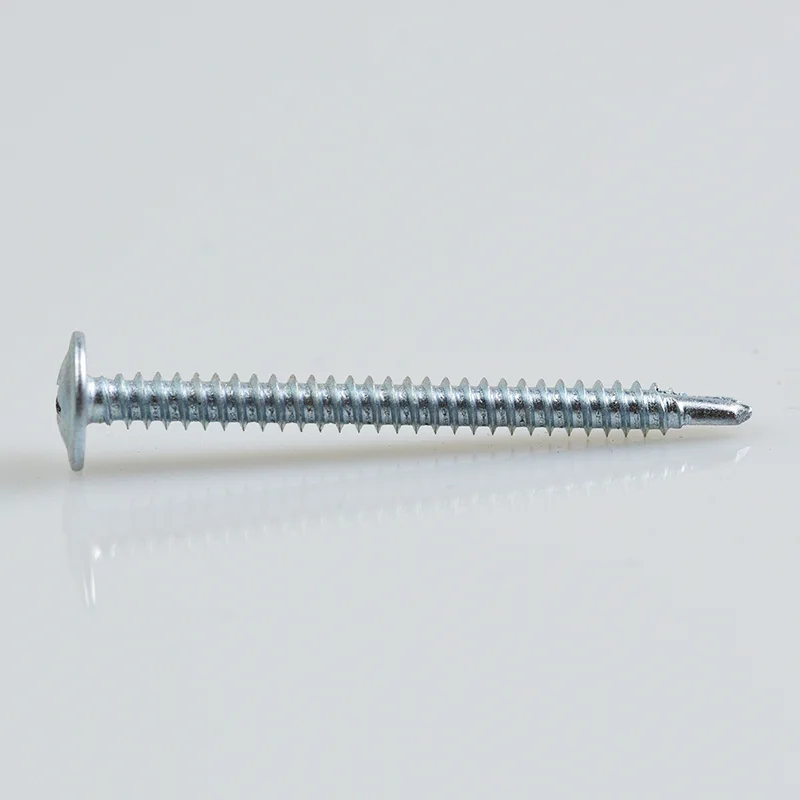
Wood Vs Metal Drill Bit generally refers to comparing drill bit choices by the material they are intended to work with, the required hole quality, and the operating conditions. For sourcing, the practical answer depends on your product application, size requirements, material compatibility, and expected inspection standard.
Before requesting a quote, confirm the target use, quantity range, packaging needs, and any documents required for internal quality review. This helps the supplier understand whether you need standard items, related alternatives, or a custom specification discussion.
Start with the quality review checklist. Define the work material, drill size range, shank type, coating or finish needs, packaging format, and any tolerance or appearance requirements. If your team is developing a new product line, include drawings, photos, sample references, or a comparison list of acceptable alternatives.
When contacting suppliers, avoid sending only the keyword. Share the application context, estimated order quantity, destination market, target delivery schedule, and approval steps. This allows the supplier to reply with more accurate product matches, sample options, and lead-time expectations.
For RFQ preparation, ask how product specifications are confirmed, what inspection points can be documented, and whether packaging requirements can be matched for bulk orders. If barcodes, labels, inner boxes, or export cartons matter to your channel, include those details early.
When comparing supplier replies, review how clearly they address technical fit, documentation, sample handling, and quotation assumptions. A useful response should help your team check product specifications and shortlist related products, not just provide a general price list.