The practical distinction is between a battery that is electrically compatible and one that is useful for the job. A pack may be labeled 12V, but that does not mean it will fit every 12V drill. Tool brands use different slide rails, stem designs, terminals, communication pins, and charger controls.
Capacity also changes the buying decision. A compact pack keeps the drill lighter for overhead work and repeated screw driving, while a higher-capacity pack can run longer but adds weight. For fastener installation, balance matters: a heavy battery may reduce comfort, but too little capacity leads to frequent charging during production or site work.
Start with the exact drill model and battery part number. Do not order from voltage alone. Check the physical interface, terminal layout, charger model, and whether the drill originally used lithium-ion or an older battery chemistry. Mixing chemistries or using an unsuitable charger can create performance and safety problems.
Match battery capacity to the work pattern. Short repair tasks and light screw driving often favor a smaller pack because it keeps the tool easy to handle. Longer runs, repetitive fastening, or jobs away from a charging point may justify a larger pack or multiple spare packs. The better choice depends on how often the drill cycles under load, not just the printed capacity.
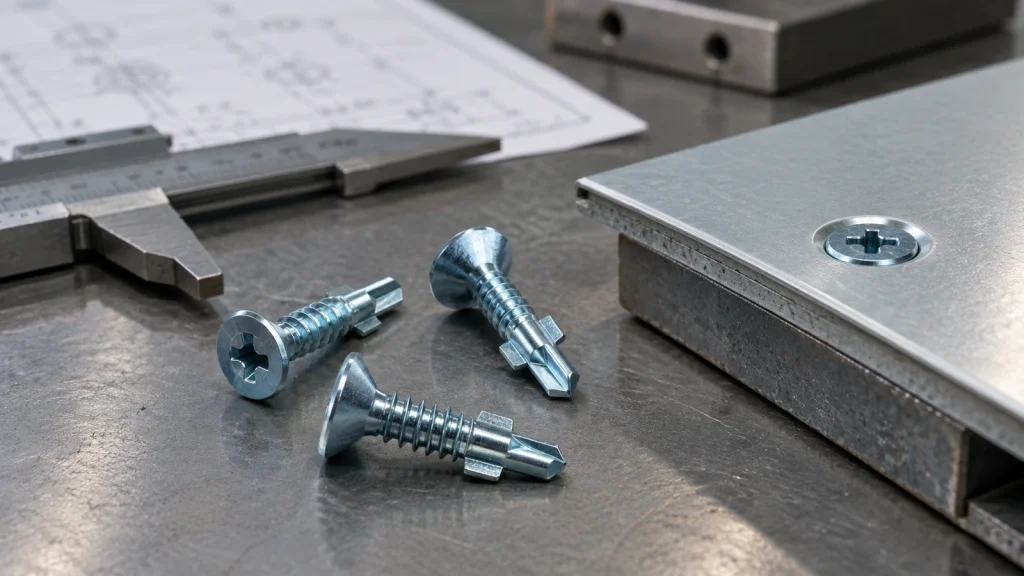
Consider the fastener and material. Driving self-drilling screws into metal or dense assemblies draws more current than light pilot-hole work. If the drill stalls, slows quickly, or cuts out, the issue may be battery condition, tool limits, bit selection, or using the wrong screw type for the material. Battery replacement should be checked alongside the drilling and fastening setup.
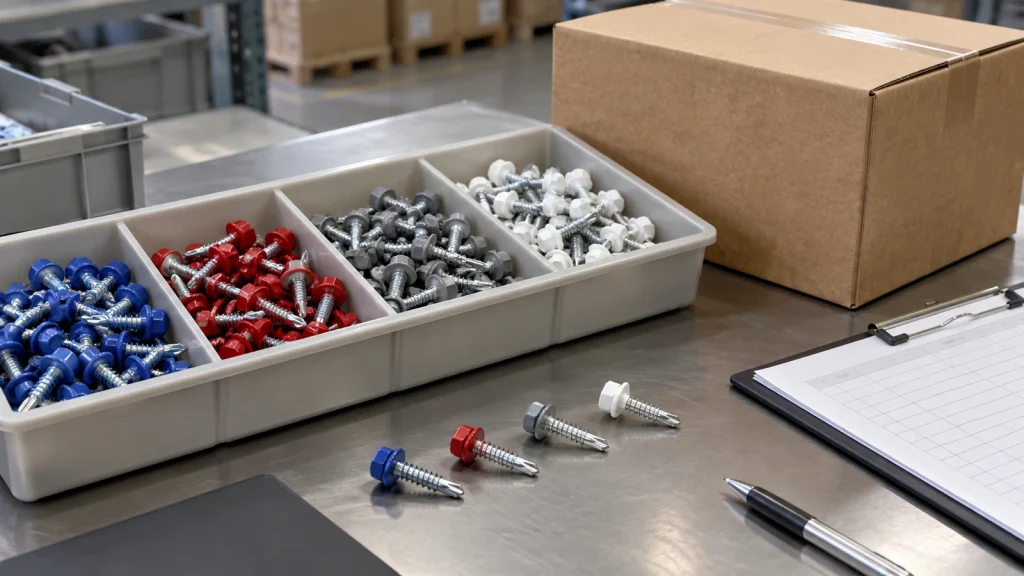
For an inquiry, provide the drill brand and model, the old battery label or part number, the charger model, and how the tool is used. If the battery is needed for fastening work, also mention the screw type, material, and whether the priority is lower tool weight or longer run time.