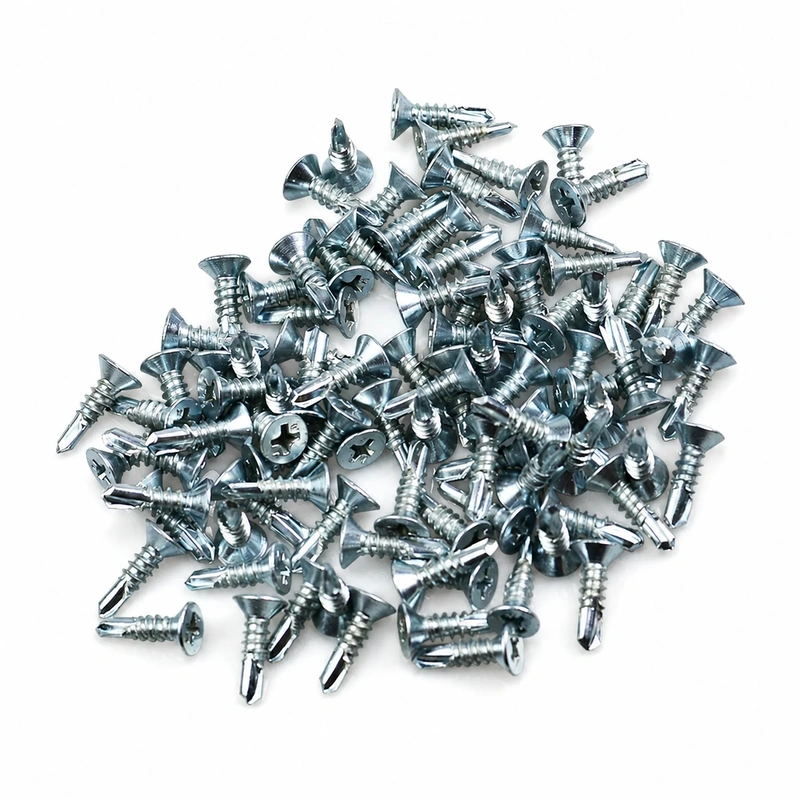
The Difference Between Metal and Wood Drill Bits is mainly in point geometry, flute design, material treatment, and intended cutting action. Metal drill bits are usually selected for harder materials and cleaner dimensional control, while wood drill bits are designed to cut fibers efficiently and reduce tearing in timber or board materials.
For B2B purchasing, the practical answer depends on application matching. Share the workpiece material, hole size, tolerance expectations, drilling equipment, order quantity, and packaging needs so the supplier can recommend the correct drill bit type and confirm samples before bulk production.
Start by separating the drilling applications in your OEM project. List whether the bit will be used on steel, aluminum, hardwood, softwood, plywood, engineered panels, or mixed materials. This helps prevent using a general product name when the supplier needs material, diameter, shank, coating, and working depth details.
Next, define the customization scope. Procurement teams should confirm available sizes, surface treatment, packaging style, labeling requirements, set combinations, and whether the drill bits will be supplied with fasteners or as part of a tool kit. Drawings, photos, or existing samples can make supplier feedback more accurate.
Before requesting a formal quotation, prepare the estimated order quantity, destination port or country, expected lead time, inspection needs, and sample approval process. If the project has staged purchasing, ask how pricing, packaging consistency, and repeat-order documentation will be handled.
When comparing suppliers, look beyond the lowest unit price. A useful supplier response should explain product fit, sample options, production timing, carton or inner-box choices, and the information still needed for confirmation. This makes it easier to build a reliable shortlist for OEM planning.