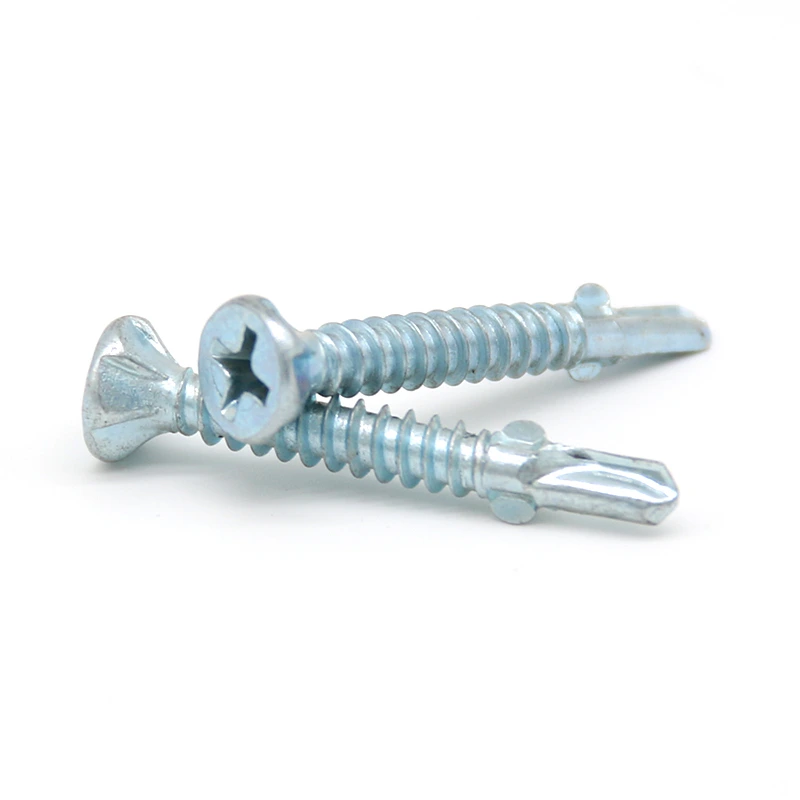
Drill Bits For Splitting Wood are sourced by matching the bit style, working size, connection type, material details, and intended wood application with the project requirement. For B2B purchasing, the key is not only finding a product image, but confirming whether the specification can be repeated for samples and future orders.
If you need custom branding, packaging, or project-specific details, prepare drawings, photos, target dimensions, quantity range, and sample expectations before asking for a quote. This helps the supplier respond with fewer assumptions and supports better risk control.
Start with the application checklist. Confirm the wood type, working environment, tool compatibility, required size range, and any limits on shape, finish, or connection design. For a project engineer, these details help separate suitable Drill Bits For Splitting Wood from general-purpose items that may not match the intended use.
Next, define the custom scope. If brand consistency matters, list logo placement, packaging style, label language, carton requirements, and whether the same presentation will be needed across related products. Clear branding requirements reduce the risk of sample approval problems later.
Before sample confirmation, ask which technical details can be verified, such as dimensions, surface condition, structure, packing method, and available inspection points. Share reference samples or drawings when possible so the supplier can confirm what is standard and what requires adjustment.
When comparing supplier replies, look for practical follow-up questions, not only fast pricing. A reliable sourcing discussion should cover application fit, sample timing, order quantity, customization limits, after-sales communication, and how consistency will be managed if the project moves into repeat purchasing.