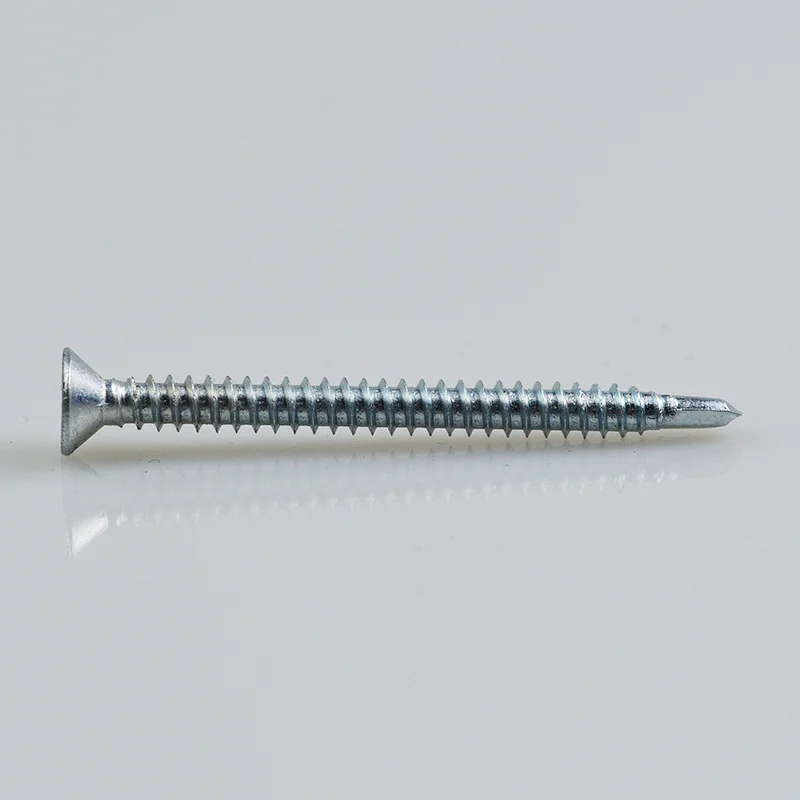
The most important distinction is diameter versus length. An M12 bolt or screw has a 12mm nominal thread diameter, while a fastener that is 12mm long may be much smaller in diameter. Buyers often use “12mm” as shorthand, but suppliers need the full size callout to identify the correct item.
For metric threaded fasteners, confirm the thread form and pitch as well as the length measured from the correct point on the head. For self-drilling or tapping applications, also confirm the drilling point, substrate thickness and surface treatment. These details affect installation torque, holding strength and service life more than the size number alone.
Start with the application, not only the dimension. A 12mm fastener used in a static bracket has different requirements from one used on vibrating equipment, outdoor steelwork or sheet-metal fixing. Confirm the joined materials, access for tools and whether the connection needs removal during maintenance.
Check the complete specification before asking for a quote: diameter, length, thread pitch, head style, drive type, nut or washer requirements and material grade. If the fastener will be exposed to weather, chemicals or wet conditions, surface treatment becomes a practical selection point. Oxidation, zinc plating, hot-dip galvanizing and stainless materials solve different corrosion and appearance problems, so the environment should guide the choice.
A common mistake is replacing one 12mm fastener with another based only on visible size. Thread pitch, strength class, head bearing area and coating thickness can change fit and performance. If the part mates with an existing tapped hole, sample, drawing or standard number, share that information rather than relying on a photo alone.
For an inquiry to Hebei Wotu Fastener Manufacturing Co., Ltd., prepare the exact size callout, application material and finish requirement. If a standard is required, state it clearly and ask the sales team to confirm available equivalents, packaging and suitable alternatives before ordering.