| Meaning of the 12 mm size |
Confirm that 12 mm refers to the anchor bolt diameter, not the drilled-hole diameter or thread size. |
A size mismatch can prevent the fastener, nut, washer, and hole from fitting together correctly. |
Can you mark the nominal diameter, thread specification, and required hole diameter on the drawing? |
| Anchor type and base material |
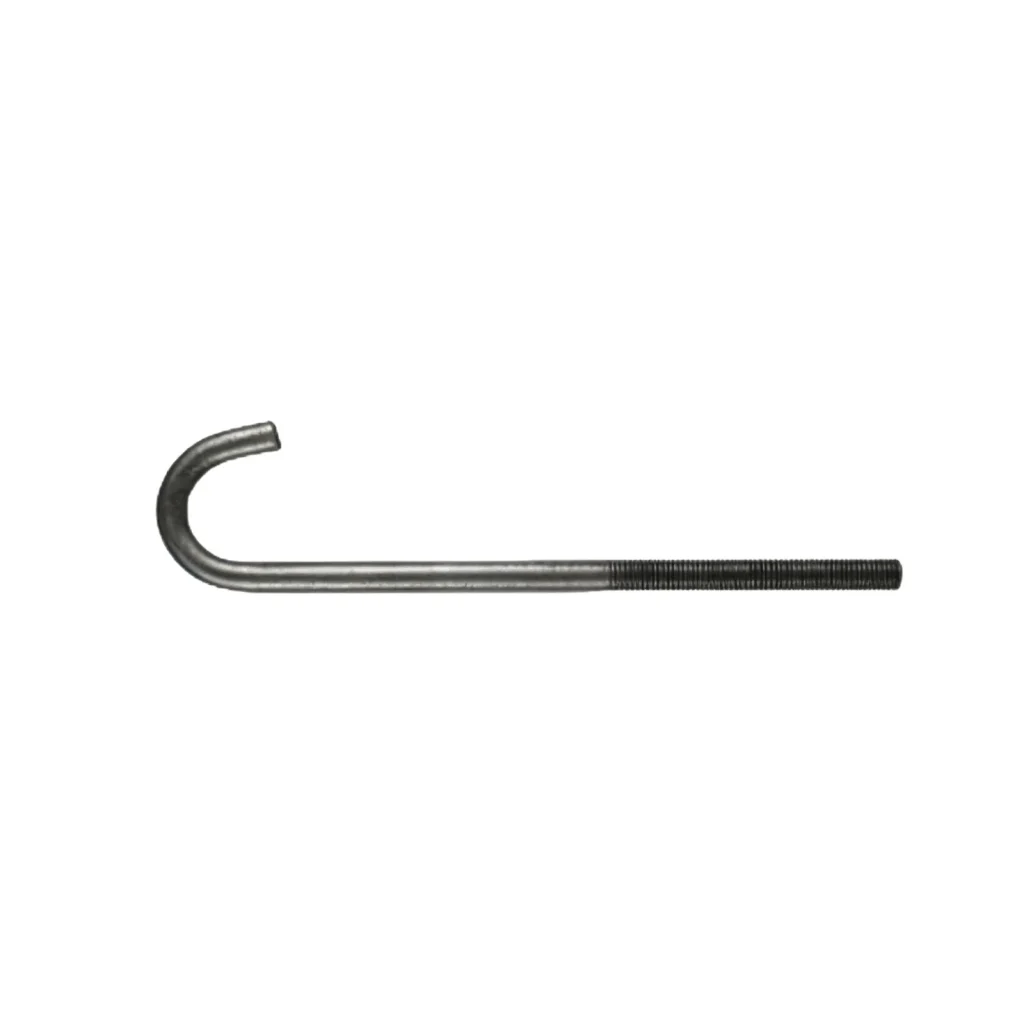
Match the fastener design to the actual substrate, such as concrete, masonry, or a steel base connection. |
Expansion, chemical, cast-in, and other anchor designs transfer load differently and are not interchangeable across substrates. |
Which anchor type is proposed, and what substrate and installation condition is it intended for? |
| Length and effective embedment |
Verify the overall length, required embedment, fixture thickness, washer and nut allowance, and any unthreaded section. |
A 12 mm diameter alone does not show whether the anchor will reach the required depth or leave enough thread for tightening. |
Please provide the installation drawing showing minimum embedment and the available length above the base material. |
| Thread, nut, and washer compatibility |
Compare the thread form and pitch, threaded length, nut fit, washer size, and exposed thread required after installation. |
Correct diameter with an incompatible thread or insufficient threaded length can delay assembly and compromise clamping. |
Which nut and washer are supplied or recommended, and what thread standard should the mating parts follow? |
| Material and corrosion protection |
Confirm the fastener material, surface treatment, and suitability for indoor, outdoor, wet, or chemically exposed service. |
The environment affects corrosion risk, service life, and compatibility with the fixture and surrounding material. |
What material and coating are specified, and has the intended exposure environment been included in the selection? |