Hardware Fasteners for Assembly | Hebei Wotu Fastener Manufacturing Co., Ltd.

Hardware Fasteners for Assembly and Construction

Hardware fasteners hold assemblies together, but the right choice depends on the joint, base material, exposure conditions and installation method. A screw, bolt, anchor or washer that looks similar on a drawing can behave very differently once it meets vibration, moisture, sheet metal, timber, concrete or repeated service loads.

For a buyer, the practical decision is not only size and price. Thread form, head style, drive type, coating, material grade and packaging all affect installation speed, corrosion resistance, maintenance and field failures.

Related Products

Grade 8/Grade 10 High-strength Black Oxide Hex Nut (DIN934/GB Chinese National Standard Thickened Nut)

Grade 8/Grade 10 High-strength Black Oxide Hex Nut (DIN934/GB Chinese National Standard Thickened Nut)

Brand: Wotu Surface: quenching and tempering heat treatment + high temperature black oxide anti-rust treatment Specifications: Comply with DIN934, GB/T6170 standards, in stock M6-M48 full range of specifications, nonstandard sizes can be customized Packaging: 25kg carton/woven bag inner packaging, whole wooden pallet wrapped with film for export packaging, supports neutral/private-label customization packaging

Read More
Hot-Dip Galvanized Hex Head Bolt (DIN931 Half Thread / DIN933 Full Thread / GB30 Chinese National Standard Bolt, Can Be Equipped With Nut And Washer Set)

Hot-Dip Galvanized Hex Head Bolt (DIN931 Half Thread / DIN933 Full Thread / GB30 Chinese National Standard Bolt, Can Be Equipped With Nut And Washer Set)

Brand: Wotu Surface: overall hot-dip zinc plating treatment Specifications: Comply with DIN and GB standards, in stock M6-M48 full range of specifications, length 20mm-300mm, supports nonstandard customized. Packaging: woven bag inside / 25kg export carton, film-wrapped wooden pallet; supports neutral packaging and customer private-label customization.

Read More
Blue-White Zinc Plated Pan Head With Pad Self-Tapping Screw

Blue-White Zinc Plated Pan Head With Pad Self-Tapping Screw

Brand: Hengzuan Surface: blue and white zinc plated Specifications: in stock ST4.2/ST4.8full range of specifications, length 13~50mm in stock, support nonstandard length customization Packaging: 25kg cartons, solid wood packaging, support neutral packaging, private-label customization

Read More
Hot-Dip Galvanized Hex Nut (DIN934 Thickened/GB Thin Nut In Multiple Specifications)

Hot-Dip Galvanized Hex Nut (DIN934 Thickened/GB Thin Nut In Multiple Specifications)

Brand: Wotu Surface: high temperature hot dip zinc plated surface treatment Specifications: Comply with DIN934, GB/T6170, GB/T6172.1 Chinese national standard German standard, in stock M6-M64 full range of specifications, length is nonstandard customized as required Packaging: 25kg woven bag/export carton, full-container wooden pallet wrapped with film, supports neutral packaging, private-label customization

Read More
Hex Head Self-Drilling Screw With Bonded Washer

Hex Head Self-Drilling Screw With Bonded Washer

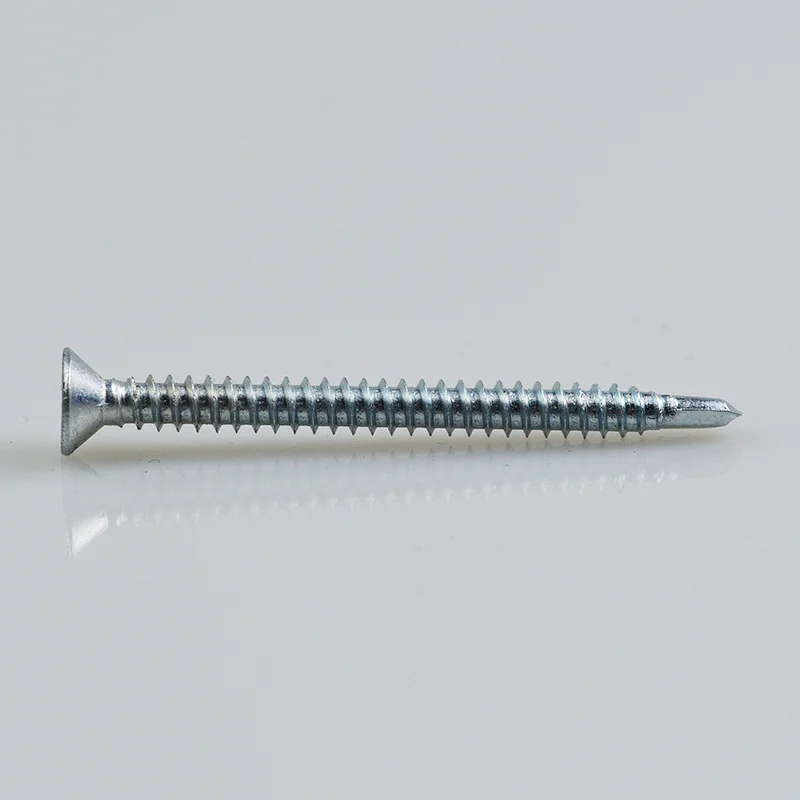
Brand: Hengzuan Surface: blue and white zinc plated, color zinc plated can be customized on request Specifications: in stock 4.2/4.8/5.5/6.3mm mainstream wire diameter, length 20mm~165mm full range of specifications, nonstandard rod length, drill point size can be customized Packaging: 25kg export cartons, full pallets wrapped with film, supports neutral export packaging, customer private-label customization

Read More

Compare Hardware Fasteners by Joint, Material and Finish

Fastener selection criteria

Compare hardware fasteners by joint type, base material, thread and point design, head and drive style, surface treatment, applicable standard and packaging format. These details usually decide fit and installation performance more accurately than a broad fastener name alone.

Criterion What To Check Why It Matters Buyer Tip
Fastener material and strength grade Confirm the material, grade or property class on the drawing, datasheet or packaging. The fastener must withstand the joint load and remain compatible with the connected materials. Which material and strength designation is specified for this joint?
Diameter, length and thread form Compare the full dimensions, thread pitch and thread type with the mating hole, nut or substrate. A mismatch can reduce engagement, cause cross-threading or leave too little clamping length. Can you confirm the required diameter, length, thread pitch and thread standard?
Head, drive and point design Check the head style, drive recess and point type against the access, tool and installation method. The wrong head or drive can prevent tool access, damage the recess or fail to start correctly in the material. Which tool and installation space will the fastener need to accommodate?
Surface finish and corrosion exposure Identify the coating or treatment and compare it with the joint's moisture, chemical and outdoor exposure. The finish affects corrosion resistance, appearance and compatibility with the joined materials. What environment will the fastener face, and is a specific finish or treatment required?
Applicable standard and documentation Ask for the stated product standard, dimensional tolerances and inspection documents for the ordered item. A defined standard makes interchangeable parts easier to specify and verify across batches. Which standard should govern the fastener, and what documents will accompany the shipment?

Key Choices Before Ordering Hardware Fasteners

The main distinction is between fasteners selected for clamp load and fasteners selected for fastening into a base material. Bolts and nuts usually create a controlled clamping force between parts, while screws, self-drilling screws and anchors depend more on thread engagement, drilling performance or substrate grip. Mixing those roles is a common cause of loose joints, stripped threads or cracked materials.

Surface treatment also matters. Black oxidation, zinc plating, hot-dip galvanizing and other finishes serve different purposes, from appearance and light protection to outdoor corrosion resistance. Confirm the finish against the environment rather than choosing by appearance alone, especially for roofing, steel framing, exterior fixtures or damp storage areas.

Start with the joint. Identify the materials being joined, their thickness, hole condition and whether the fastener must be removable. A self-drilling screw may reduce installation steps in metal sheet, while a machine screw or bolt may suit a tapped part or through-hole assembly. If the joint will see vibration, ask about matching nuts, washers, thread locking or flange-head options.

Match strength and finish to the service environment. Indoor light-duty hardware does not need the same treatment as exposed steelwork, agricultural equipment or coastal construction. Avoid specifying a high-strength fastener without checking coating compatibility and installation practice; some finishes and heat treatments can change how a fastener should be handled.

Check the details that affect assembly speed: head type, drive recess, point style, thread pitch and washer design. A fastener that is technically strong enough can still be a poor purchase if drivers cam out, heads interfere with the finished surface, or points fail to drill cleanly through the intended material.

For an inquiry to Hebei Wotu Fastener Manufacturing Co., Ltd., share a drawing or sample photo if available, then state the application, material, finish preference and packing needs. If you are buying to a standard, provide the standard name or part number so the reply can address dimensions and tolerance requirements rather than relying on a general description.

Criteria Importance Description Example Options
Joint type Usually the first decision The fastening method should match how the parts are assembled and how the load is carried. Through-hole joints, tapped holes, sheet-metal joints and substrate anchoring each need different fastener behavior. A bolted bracket may need a nut and washer, while a thin metal panel may use a self-drilling screw with a suitable point.
Base material and thickness Critical for fit and holding performance Steel, aluminum, timber, plastic, masonry and concrete respond differently to threads, points and expansion forces. Material thickness affects thread engagement, drilling ability and pull-out resistance. A screw that works in thin sheet may not drill cleanly or hold correctly in a thicker steel section.
Head, drive and washer design Important for installation speed and finished assembly Head shape affects clearance and bearing area, while the drive recess affects torque transfer and tool compatibility. Washers can spread load, protect surfaces or help seal, depending on the application. A low-profile head may suit a visible assembly, while a flange head may provide more bearing area without a separate washer.
Surface treatment Important for appearance and service environment Finishes are selected for corrosion protection, appearance, handling and compatibility with the fastener material. The same fastener shape with a different finish may suit a different environment. Black oxidation may be chosen for appearance or light protection, while an outdoor exposed application may need a more corrosion-focused finish.
Standard or custom description Useful for avoiding misunderstanding A named standard, drawing or sample reduces ambiguity in dimensions, tolerances, thread form and head style. General names such as screw or bolt are often not enough for accurate quotation or production discussion. Providing a drawing with size, thread, head type and finish is clearer than asking only for a general hardware fastener.

Blog Articles / Reviews

Oxidation Treatment Specifications for Self-Drilling Screw Fasteners

Oxidation Treatment Specifications for Self-Drilling Screw Fasteners

The surface treatment of self-drilling screws requires specific procedures. What manufacturing processes are generally used for surface treatment? Hebei Wotu Fastener Manufacturing Co., Ltd. will explain oxidation treatment below. The surface treatment of self-drilling screws requires specific procedures. What manufacturing processes are generally used for surface treatment? Hebei Wotu Fastener Manufacturing Co., Ltd. will explain […]

National Standards for Self-Drilling Screws – Fasteners

National Standards for Self-Drilling Screws – Fasteners

When using fasteners, are you familiar with the standards governing them? Today, Hebei Wotu Fastener Manufacturing Co., Ltd. will discuss the national standards for fasteners with you. Let’s take a look. 1. Standards for Fastener Product Dimensions: These specifically define the basic dimensions of the product; for threaded products, this also includes the basic dimensions […]

Frequently Asked Questions

How do I decide between screws, bolts and anchors?

Start with how the joint carries load. Bolts with nuts usually suit through-hole assemblies that need clamp force, screws suit threaded engagement in the part or substrate, and anchors are used where the base material must provide grip, such as masonry or concrete. The material thickness, access from both sides and need for removal usually narrow the choice quickly.

Are self-drilling screws a direct replacement for ordinary screws?

Not always. Self-drilling screws can reduce a separate drilling step in suitable sheet metal or light steel applications, but the drill point, thread and washer must match the material thickness and installation speed. In thicker, harder or pre-tapped parts, a machine screw, bolt or pre-drilled fastener may be a better fit.

Is a stronger fastener always the safer choice?

No. Strength must match the joint design, mating material and installation method. A very hard fastener may not solve problems caused by poor thread engagement, wrong hole size, incompatible coating or a substrate that is weaker than the fastener.

What finish should I specify for outdoor hardware?

Choose the finish according to moisture, chemical exposure, abrasion and expected service life, not just appearance. Zinc plating, black oxidation and heavier protective coatings serve different purposes, so confirm the environment and any project standard before ordering. For exterior or damp locations, also ask how the finish works with the fastener material and installation method.

What information should I send with an inquiry?

Send the fastener type, size or drawing, materials being joined, hole condition, application environment, required finish and packing preference. If the part must meet a named standard, include the standard or part reference. A photo or sample can also help clarify head style, drive type, washer design and thread form.

Leave Your Message

Send the fastener type or drawing, the materials being joined, and the required finish or application environment. Include any standard, size range or packaging preference if already known.