The most important distinction is between an ordinary socket head bolt, a button head, and a countersunk socket screw. They can share the same thread diameter and length, but their head height, head diameter, socket size, and seating method differ. Choose the head form according to the available clearance and whether the head should remain above, sit close to, or finish below the surrounding surface.
Also separate nominal size from actual dimensions. An M-size identifies the threaded diameter family; it does not by itself define the bolt length, pitch, head geometry, or socket size. A drawing or recognized standard should control the final dimensions when interchangeability matters.
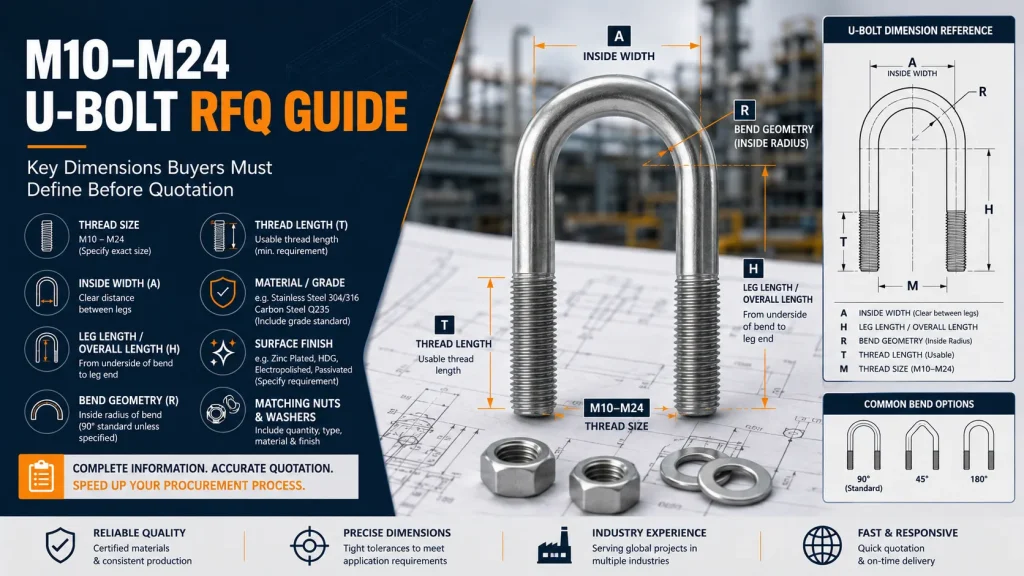
Start with the joint rather than the bolt label. Record the thread designation and pitch, required length, threaded or partially threaded form, and the material thicknesses being clamped. Confirm whether length is measured from beneath the head, since this is the usual reference for standard bolt descriptions and avoids ordering a fastener that is effectively too short or too long.
Check the head envelope before approving a substitute. Measure the available recess or side clearance, the required bearing area, and the space needed for the Allen key or driver. A lower-profile head may solve a clearance problem but can change the bearing surface and tool engagement; a countersunk head requires a matching countersink rather than a flat mounting surface.
Do not assume that two bolts marked with the same M-size are interchangeable. Thread pitch, head style, socket size, length tolerance, material, finish, and applicable dimensional standard can all change the fit or service suitability. If the bolt will be exposed to corrosion, heat, vibration, or repeated removal, state those conditions instead of selecting only by diameter and length.
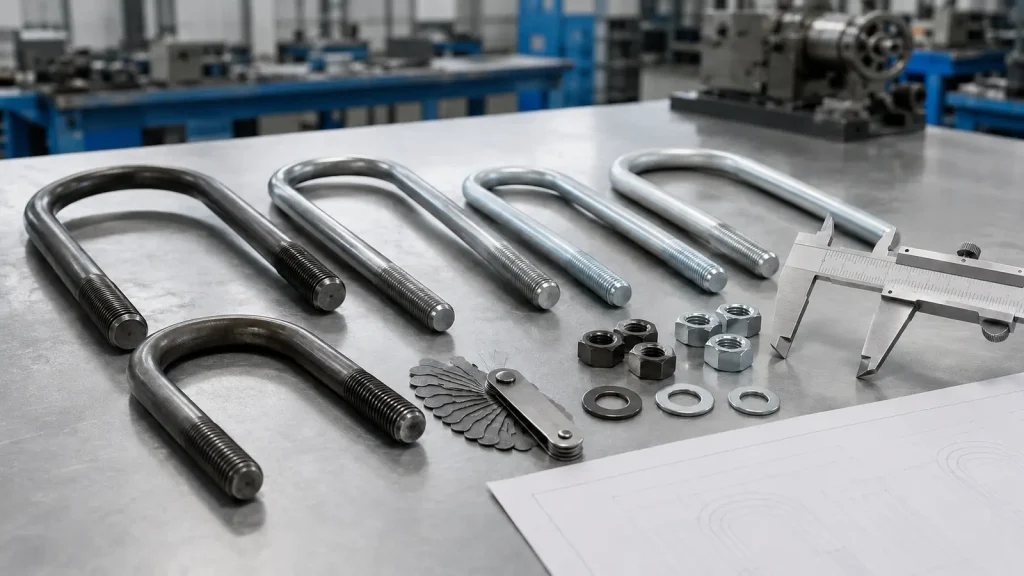
For an enquiry, send a dimensioned drawing or a complete description of the required head style, thread and pitch, length, quantity, material or strength requirement, and finish. If replacing an existing part, include clear measurements of the old bolt and identify which dimensions are critical to assembly.