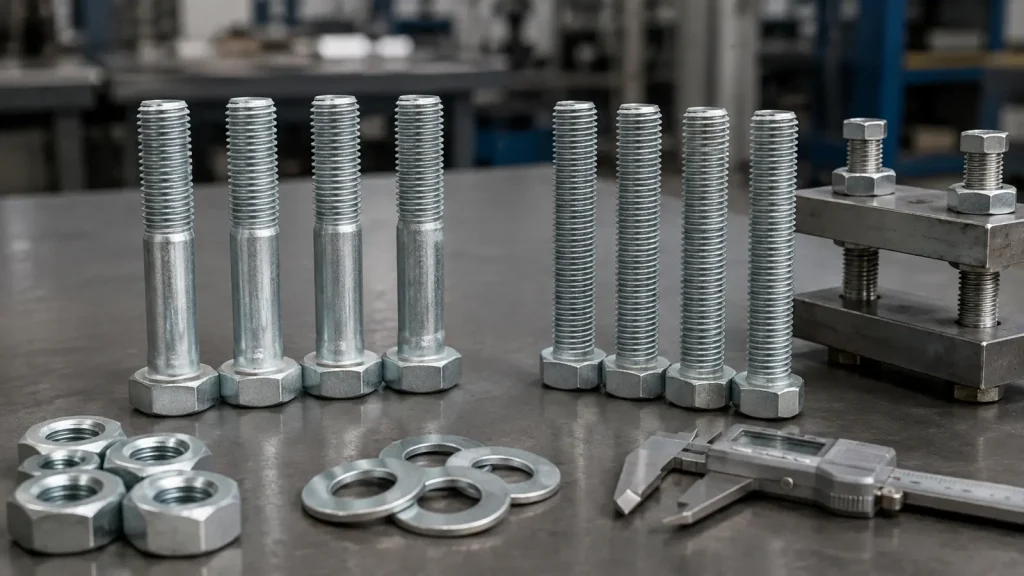
The practical distinction is between an allen bolt used as a socket head cap screw and other hex-drive fasteners such as button head, countersunk, or set screws. A socket head cap screw gives strong clamping and a cylindrical head, while a button head gives a lower, smoother profile with less drive depth. A countersunk socket screw sits flush, but it needs a correctly machined countersink and is less forgiving if the angle or seating surface is wrong.
This matters because many ordering problems come from describing only “allen bolt” without the head style or standard. Two fasteners can share the same thread size and hex socket but behave differently in the assembly. Confirm the drawing standard, head diameter and height, thread length, drive size, and surface finish before comparing offers.
Start with the joint geometry. Check whether the bolt head sits proud, inside a counterbore, or flush in a countersink. A socket head cap screw needs enough counterbore diameter and tool access. A button head may solve clearance issues, but it usually gives less socket depth. A countersunk screw needs a proper seating angle so the head does not rock under load.
Match the thread and strength to the mating material. Coarse threads are common for general steel assemblies, while fine threads may suit limited adjustment or certain vibration-sensitive designs. If the bolt threads into aluminum, cast iron, or a tapped steel part, the required engagement length and risk of thread stripping should be checked rather than judged by bolt size alone.
Choose the material and coating for the environment and installation method. Plain alloy steel is common for indoor machinery, while zinc plating, black oxide, stainless steel, or hot-dip galvanized finishes may be considered depending on corrosion exposure and appearance needs. Coatings can affect thread fit, friction, and the way torque translates into clamping force, so avoid changing finishes without confirming the assembly requirement.
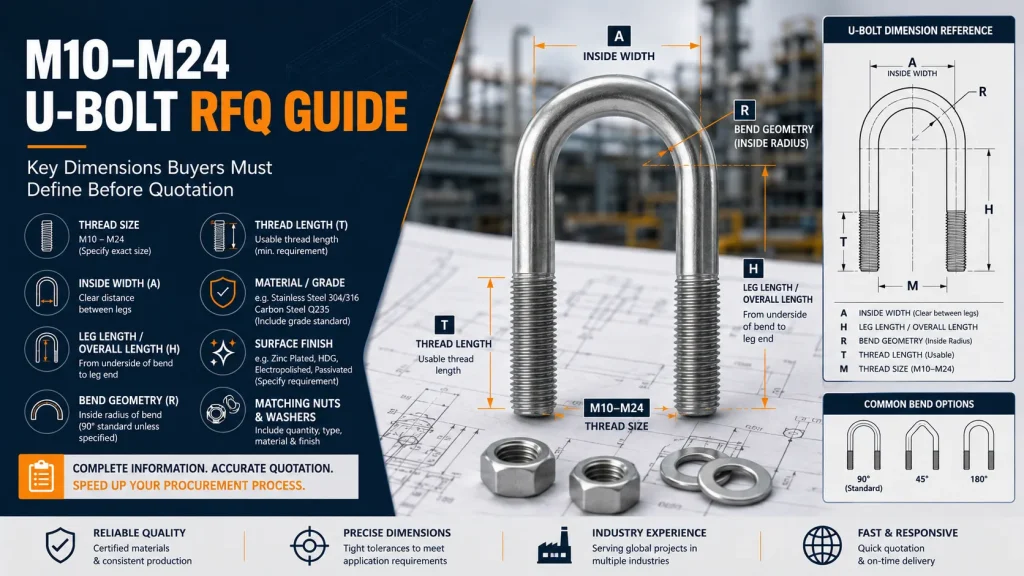
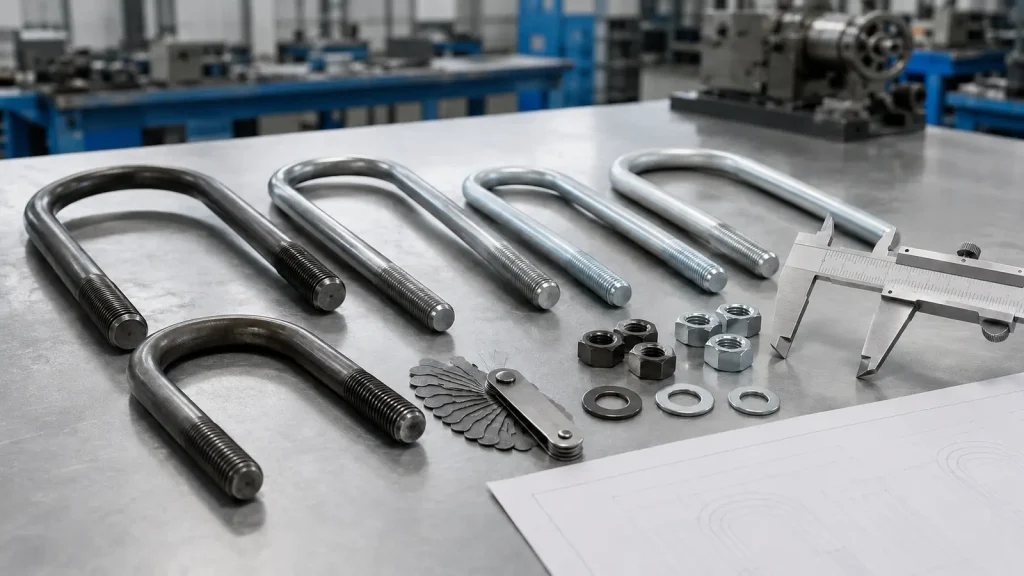
Avoid vague RFQs such as “M8 allen bolt, 30 mm.” Add the head type, standard if available, thread pitch, full or partial thread, material or grade, finish, quantity, and any packaging requirement. If a drawing exists, send it with notes on the application and mating part; Hebei Wotu Fastener Manufacturing Co., Ltd. can then respond to the actual fastener requirement rather than guessing from a short description.