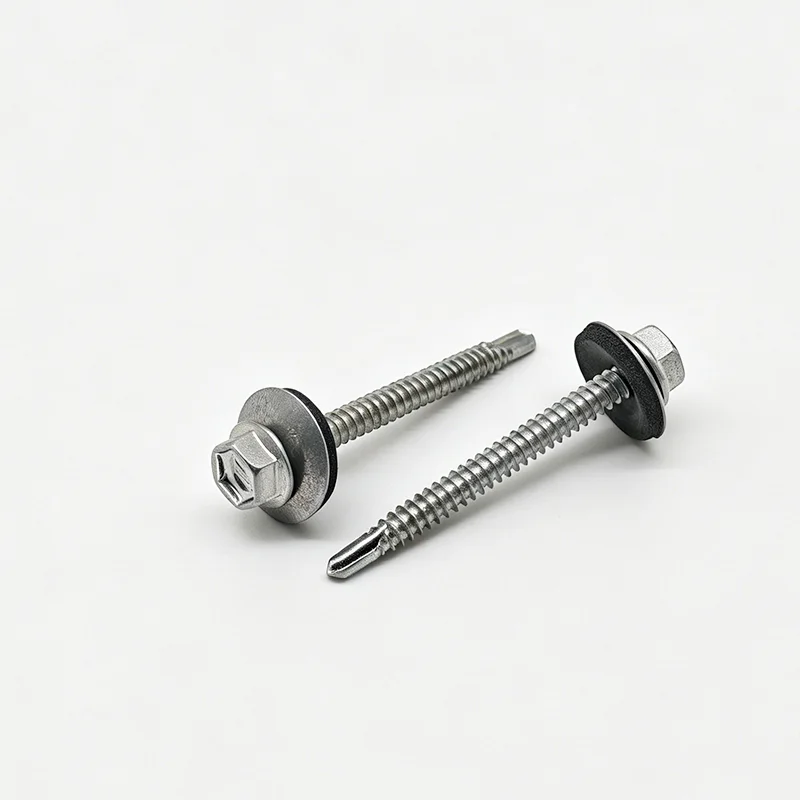
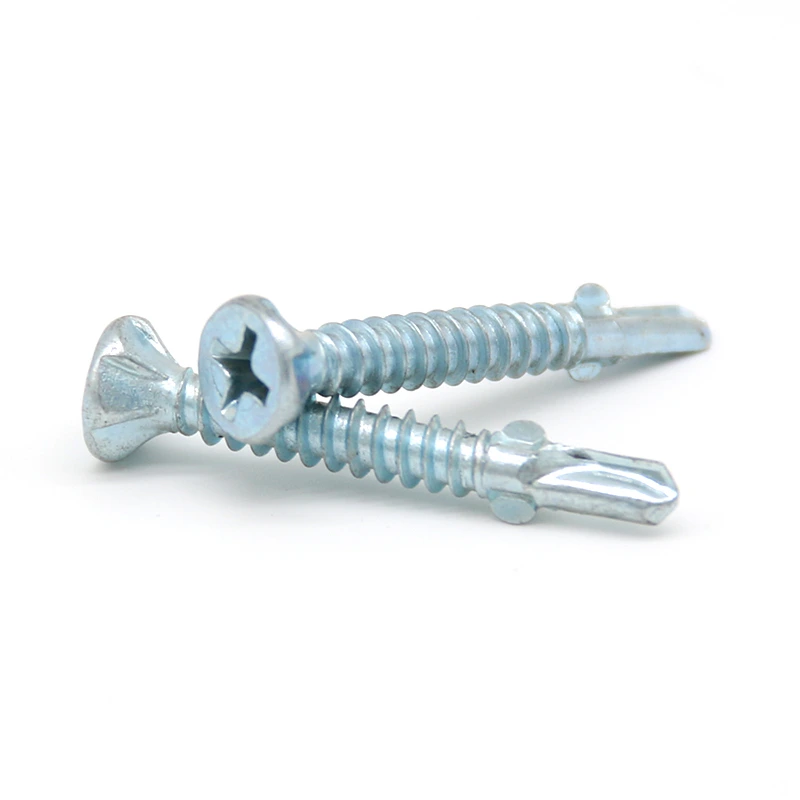
The practical distinction is between fasteners used in a pre-made hole and fasteners that form or cut their own engagement. Bolts, machine screws and some rivets normally rely on a drilled or punched hole with controlled clearance. Self-tapping and self-drilling screws need the hole, point and thread design to work together so the fastener can bite without splitting, over-enlarging or stripping the material.
This matters because the same nominal fastener size can behave differently in thin sheet, thick plate, soft metal, plastic or a slotted mounting hole. A clearance hole may help alignment but provides no thread holding by itself. A pilot hole may improve tapping performance but must match the material and screw design. A blind hole adds depth and bottoming concerns that do not apply to a through hole.
Define the hole first: through hole, blind hole, pilot hole, clearance hole, countersunk hole or slotted hole. Also note whether the hole is drilled, punched, cast, laser cut or made by the fastener during installation. The edge quality and actual hole tolerance can change seating, torque and pull-out performance.
Match the fastener to the base material and joint function. Thin sheet often needs reliable thread engagement without deforming the panel. Thicker metal may allow stronger thread formation or use with a nut. Plastic and softer materials need care because aggressive threads can crack or strip the hole. If the joint must be removable, avoid a fastening method that damages the hole every time it is serviced.
Check head style and access before selecting the thread. A countersunk head needs a prepared seat and can shift the joint if the countersink is uneven. Hex, pan, flange or washer-head designs spread load differently. If the back side is inaccessible, a nut-and-bolt joint may not work unless the design includes a captive nut, insert or blind fastening method.
Avoid treating hole diameter as a minor detail. Share the material, thickness, hole type, desired head style and installation method when you inquire. If the joint faces moisture, vibration, outdoor exposure or repeated maintenance, include that information so coating, thread form and locking method can be discussed before sample approval.