| Drill point matched to the base material |
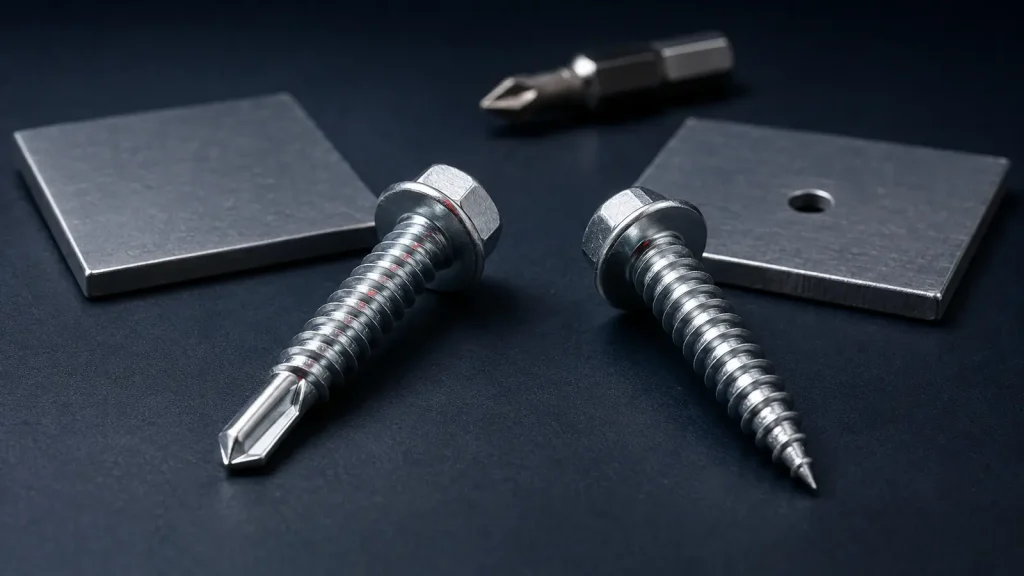
Confirm the material being fastened into, such as light-gauge steel, thicker steel, aluminum, or another substrate, and ask which drill point style is suitable. |
A pan head self drilling screw must drill its own pilot hole before the threads engage. The wrong point can skate, overheat, break, or fail to form clean threads. |
What base material and thickness range should this screw drill through without pre-drilling? |
| Pan head diameter and seating surface |
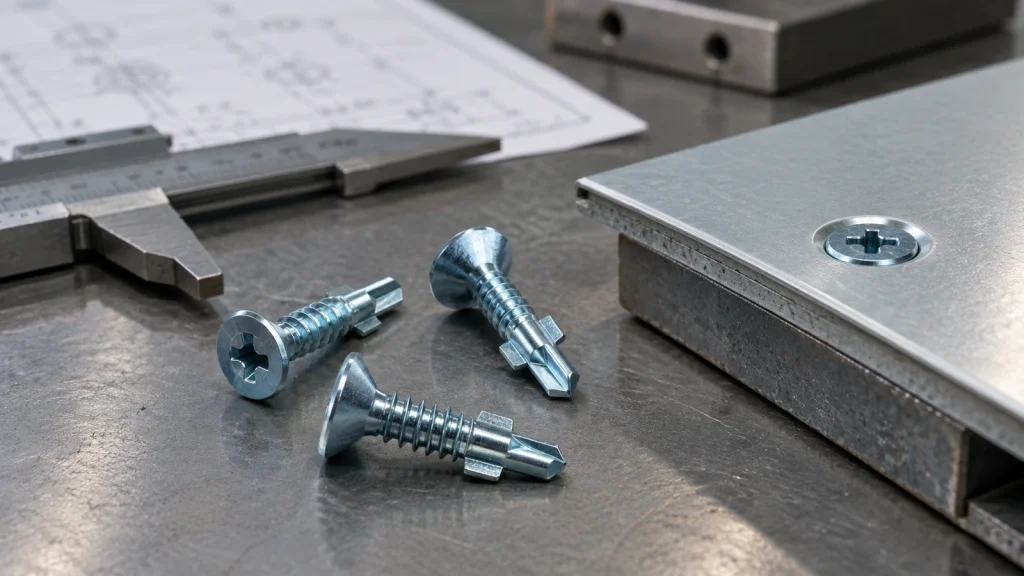
Compare the head diameter, head height, and underside shape against the clearance around the part being fixed. |
A pan head gives a broad, low-profile bearing surface, but it may not sit flush in countersunk holes or tight recesses. Head fit affects clamping, appearance, and interference with nearby parts. |
Does the assembly need a raised pan head, a flush finish, or extra bearing area under the head? |
| Thread type for clamp and pull-out resistance |
Specify the joined materials and confirm whether the screw needs fine, coarse, or application-specific threads. |
Thread geometry affects how quickly the screw pulls the parts together and how well it holds in the receiving material. A thread that works in thin sheet may not be the right choice for another substrate. |
What are the top material and receiving material, and is the joint metal-to-metal, plastic-to-metal, or another combination? |
| Drive recess and installation tool compatibility |
Confirm the recess type, bit size, and whether the screws will be installed by hand tool, drill driver, or automated equipment. |
Drive mismatch causes cam-out, damaged heads, inconsistent seating, and slower assembly. Pan heads are often used where the finished head remains visible, so recess damage matters. |
Which driver bit and installation method will be used on the production line or job site? |
| Coating and finish for the service environment |
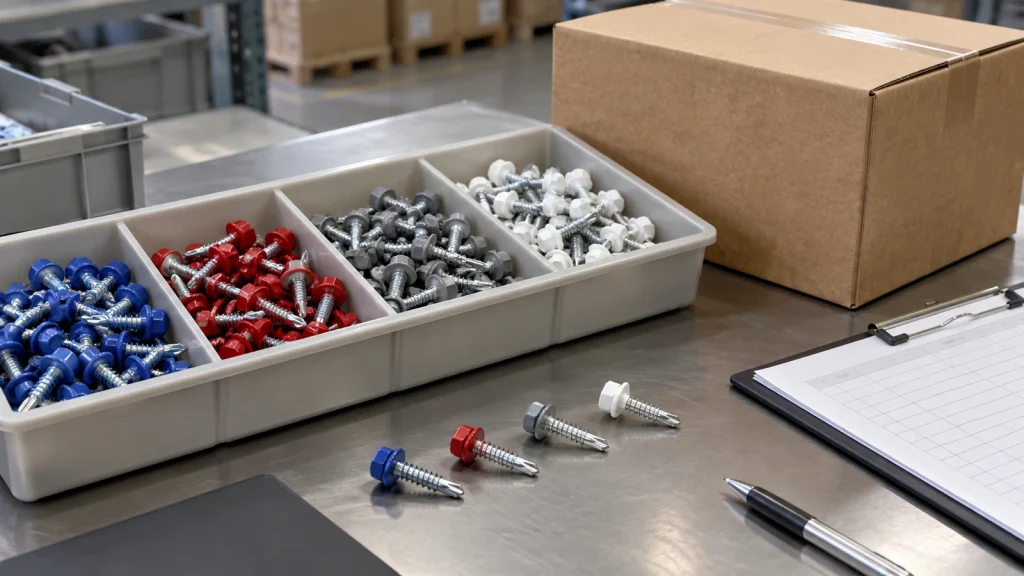
State the indoor or outdoor exposure, humidity, contact materials, and any appearance requirements before choosing zinc, Dacromet-type, painted, or other finishes. |
The coating affects corrosion resistance, color match, friction during driving, and compatibility with nearby materials. A decorative finish alone may not suit a corrosive environment. |
Will the screw be exposed to weather, chemicals, treated timber, or dissimilar metals? |