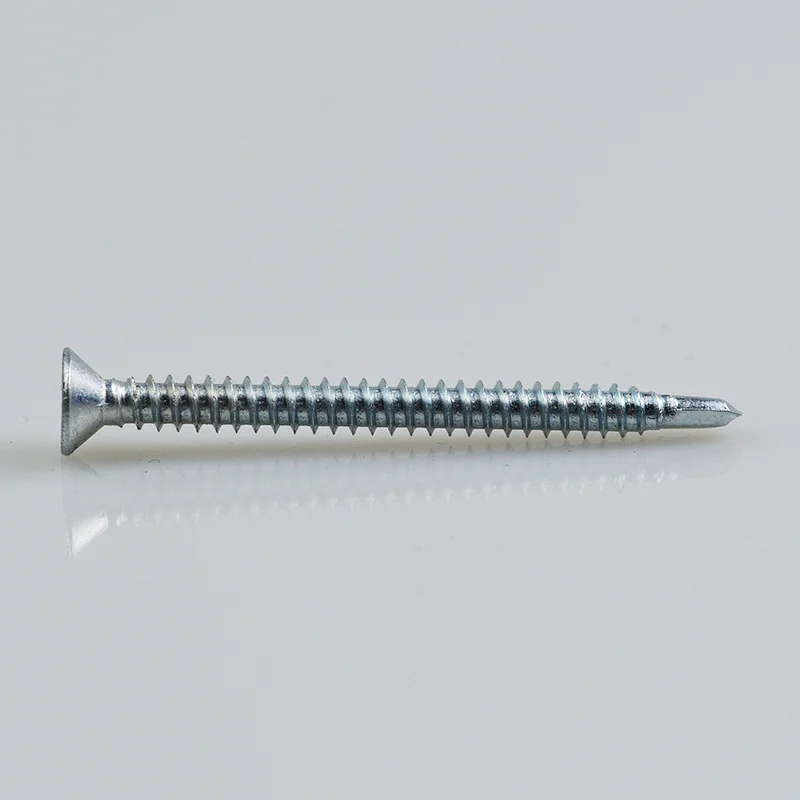
Pilot Drill Sizes for Wood Screws help buyers confirm whether a screw can be installed cleanly, hold securely, and meet the intended application. The right size depends on screw diameter, thread design, wood hardness, countersinking needs, and whether the project uses standard or customized fasteners.
When sourcing from a supplier, ask for technical guidance together with product specifications. Share the screw size, material, surface treatment, application wood type, sample quantity, packaging needs, and target order volume so the supplier can recommend suitable options for approval.
Start with the application details. For wood screws, the pilot hole requirement can change between softwood, hardwood, MDF, plywood, and assembled furniture components. A wholesale buyer should provide the screw dimensions, head style, drive type, thread form, material, coating, and installation method before comparing supplier responses.
During supplier comparison, review how clearly each supplier explains available sizes, tolerances, finish options, packaging formats, and sample support. If you are planning customization, ask whether changes to length, diameter, head type, coating, or carton labeling will affect the sample lead time, quotation structure, and minimum order quantity.
For an RFQ, include expected quantity range, destination port or delivery location, required certificates or inspection preferences, and your sample confirmation process. If the order is for resale or project supply, also clarify whether you need neutral packaging, branded packaging, barcode labels, or mixed-size cartons.
Before confirming bulk production, use the sample stage to check application fit, drilling result, screw seating, surface finish, and packaging accuracy. A practical supplier should help you confirm technical details, respond to sample questions, and keep after-sales communication clear if installation or shipment issues need review.