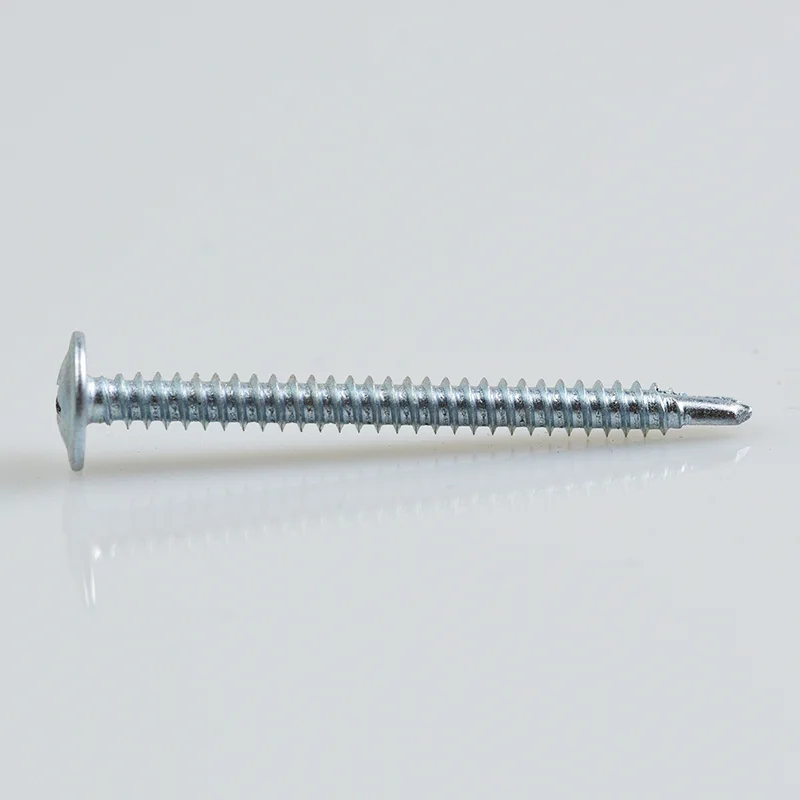
Pocket Hole Jig Wood Drills are sourcing items used with pocket hole systems for angled wood joining. Buyers should compare diameter, length, shank type, material, surface treatment, stop collar compatibility, and packaging requirements based on the target application.
For OEM project planning, the best next step is to share usage details, expected order volume, sample needs, and any custom branding or kit requirements. This helps the supplier confirm whether standard items are suitable or whether adjusted specifications are needed.
Start with the application. Confirm the wood type, jig style, drilling depth, joint requirements, and whether the drill will be sold alone or as part of a kit. These details help narrow the product range and avoid choosing only by size or price.
Then check customization scope. Procurement teams should ask about available dimensions, shank options, coating or finish choices, packaging formats, labeling, accessories, and carton requirements. If your OEM project has drawings, product photos, or reference samples, include them with the RFQ.
Sample approval should be planned before bulk ordering. Ask how samples are prepared, what technical details can be verified, and which quality checks are normally used before shipment. Clear confirmation of dimensions, appearance, packaging, and fit can support smoother internal review.
When comparing supplier replies, look for answers that match your project context. Useful feedback should address application fit, production feasibility, export packing, lead time, and after-sales communication, rather than sending only a broad catalog.