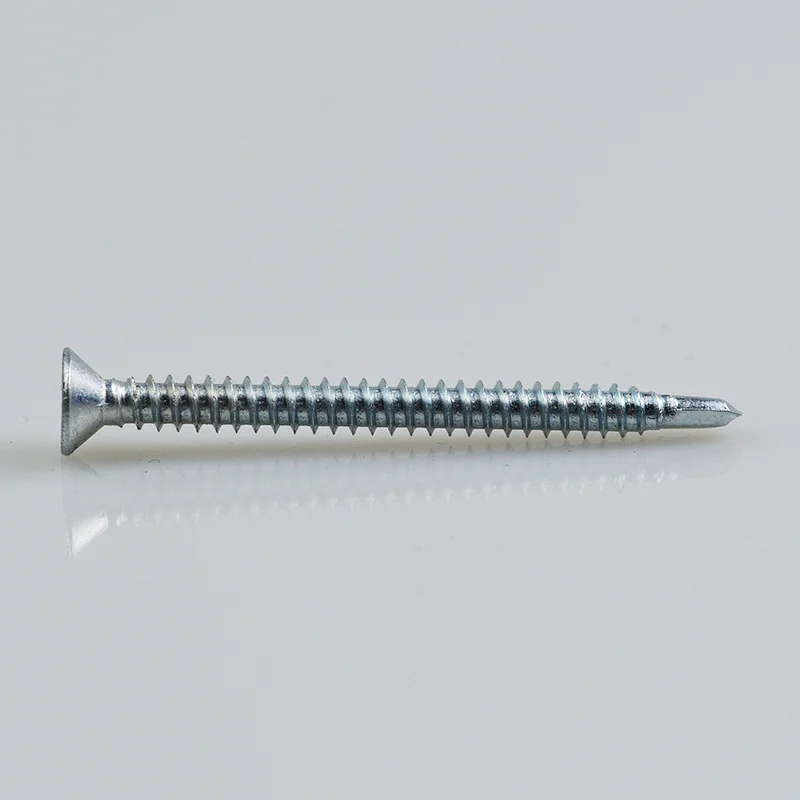
Self-Tapping Flat Head Screws are selected when a countersunk, low-profile fastening result is required and the screw must form its own mating thread in a suitable material. For B2B sourcing, the key is to confirm the application material, screw size, head angle, drive recess, surface treatment, and quantity needs before requesting pricing.
If your project includes custom specifications or branded packaging, include drawings, samples, photos, or reference standards in the first inquiry. This helps the supplier check feasibility, quote more accurately, and identify any details that need sample confirmation.
Begin with a specification checklist. Confirm diameter, length, head style, drive type, thread form, material, finish, and any standard or drawing number used by your project. If the screw must sit flush, clarify the countersink requirement and the material it will be installed into.
For custom projects, share the full commercial context as well as the technical details. Useful quotation information includes estimated order quantity, destination, packaging method, labeling needs, brand customization requirements, and expected delivery schedule. These details help reduce back-and-forth during supplier review.
Ask about sample confirmation before bulk ordering, especially when dimensions, finish color, carton layout, or logo packaging must match an existing project. Samples can help your engineering, purchasing, and quality teams align before approving production.
When comparing Self-Tapping Flat Head Screws with related products, check whether a different head type, thread type, or finish would better suit the assembly. A supplier response that asks application-specific questions can be valuable because it helps identify risk before the order is finalized.