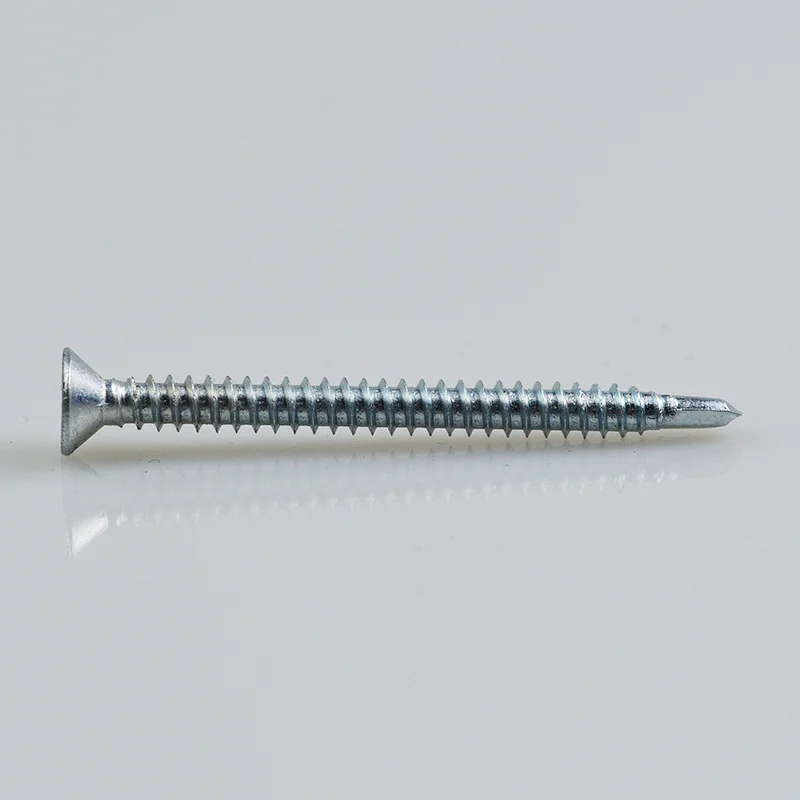
A compact drill and an impact driver are not the same tool. A small drill is usually better when you need cleaner holes, pilot drilling, and controlled fastening in wood, plastic, or light metal. An impact driver is stronger for driving screws, but it can over-tighten smaller fasteners or damage screw heads if the torque is not controlled.
For self-drilling screws, the drill’s speed control and bit fit matter as much as power. Too little control can cause wobbling, stripped heads, or heat buildup; too much force can crush washers, damage coatings, or leave the screw seated incorrectly.
Start with the material. For furniture, cabinets, and general household work, a lightweight cordless drill with adjustable clutch settings is usually easier to handle. For repeated drilling into metal sheet or harder substrates, ask whether the drill can maintain steady speed under load and whether the recommended screw type needs a pilot hole.
Check the chuck and bit compatibility before buying. Many home users focus on drill size but overlook driver bits, socket bits, and drill bits. A poorly matched bit can slip in the screw head, damage the fastener coating, and make installation look untidy even when the screw itself is suitable.
Balance power with control. A very powerful drill is not automatically better for home fastening. Clutch adjustment, variable speed trigger response, grip comfort, and tool weight often make a bigger difference during small repairs or overhead work. For coated fasteners, controlled seating helps reduce avoidable surface damage.
Avoid pairing the tool and screw only by appearance. Confirm the screw head type, point style, washer requirement, base material, and expected finish before choosing the drill setup. A practical next step is to share the material, screw size or head style, and whether the work is indoor or exposed to moisture, so the fastener and installation method can be checked together.