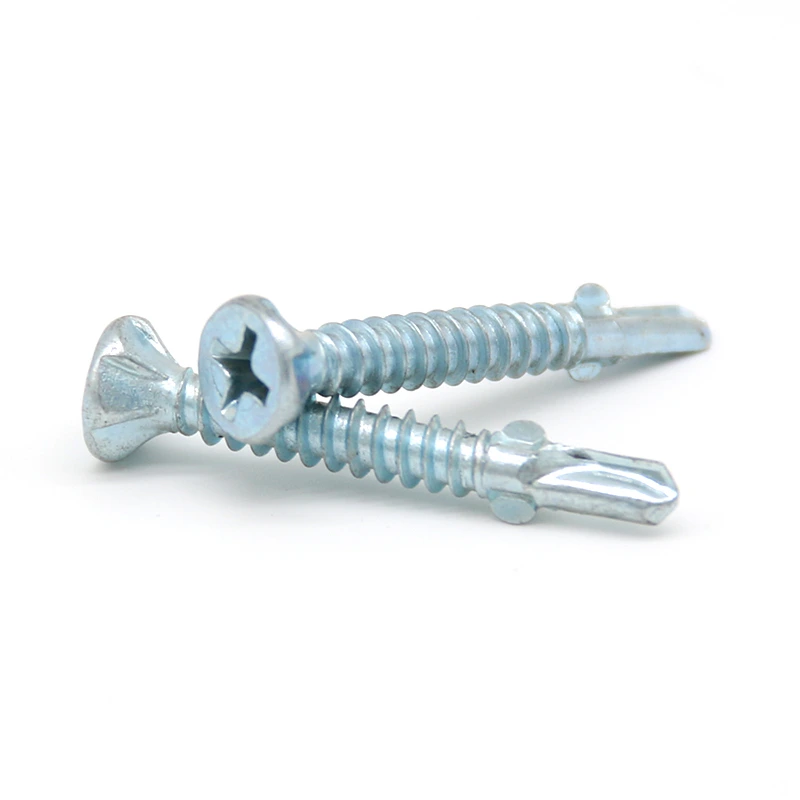
A Tapered Drill Bit For Wood is typically sourced by matching the wood application, required size range, drilling purpose, shank type, and any project-specific packaging or branding needs.
For B2B purchasing, the best inquiry should include application details, target quantity, destination, timeline, sample needs, and custom requirements. This gives the supplier enough information to confirm whether standard products or adjusted specifications are more suitable.
Start with the application fit. Explain the wood material, hole size expectations, screw or fastener matching requirements, and whether the drill bit will be used in production, installation, repair, or packaged resale. These details help avoid mismatched recommendations.
Prepare a specification checklist before requesting a quotation. Include diameter, length, shank style, coating or finish preference, quantity range, packaging format, logo or label needs, and any sample reference. If drawings or photos are available, attach them to support faster confirmation.
For custom or brand projects, ask how the supplier handles sample approval, carton marking, inner packaging, batch consistency, and inspection communication. These points are important when the same Tapered Drill Bit For Wood must be supplied across multiple orders or project locations.
When comparing suppliers, look beyond the unit price. A useful response should clarify available specifications, custom options, lead-time factors, MOQ, export packaging, and what information is still needed from your side before production or bulk order preparation.