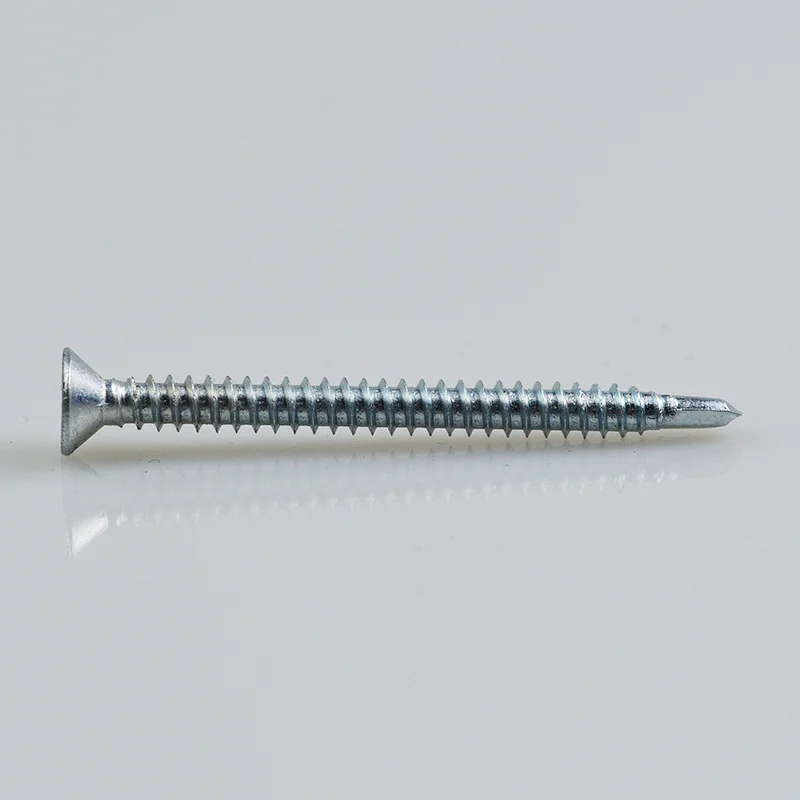
Truss Head Self-Tapping Screws are commonly sourced for assemblies that need a wide, low-profile head and threads that form or cut into the mating material during installation. Buyers should confirm material, diameter, length, thread design, surface treatment, drive type, and application environment before requesting pricing.
For custom projects, the best inquiry includes sample expectations, brand or packaging needs, quality check requirements, order quantity, and delivery destination. This helps reduce purchasing risk and keeps the supplier discussion focused on usable project details.
Start with the application. Confirm the base material, sheet thickness, installation method, load expectations, and whether appearance is important after assembly. For a project engineer, these details help determine whether the truss head profile, thread style, and finish are suitable for the intended use.
Prepare a specification checklist before contacting suppliers. Include diameter, length, head diameter, drive recess, point type, material grade, coating, corrosion expectations, tolerance needs, and any reference standard or drawing. If the project involves an existing sample, provide clear photos and measurements.
If brand customization is required, discuss logo, carton label, bag quantity, barcode, pallet method, and documentation needs early. Packaging consistency can be important for distributors, installation teams, and repeat project supply, so it should be reviewed alongside the screw specification.
Before approving production, ask how samples are confirmed, what inspection details can be shared, and how after-sales communication is handled if questions arise. A supplier that checks technical details before quoting can help reduce mismatch risk for Truss Head Self-Tapping Screws.