Wood Drill Bits Selection Guide | Hebei Wotu Fastener Manufacturing Co., Ltd.

Wood Drill Bits for Clean, Accurate Drilling

Wood drill bits should match the hole you need, the timber you are drilling and the finish required at the entry and exit points. For clean holes in softwood, hardwood, plywood or composite boards, the main choice is usually between a brad-point bit, twist bit, auger bit or flat/spade bit.

The right profile reduces wandering, breakout, heat and damaged workpieces. It also needs to suit the drill chuck, hole depth and production method, especially if the bit will be used repeatedly in furniture, joinery, construction or panel assembly.

Related Products

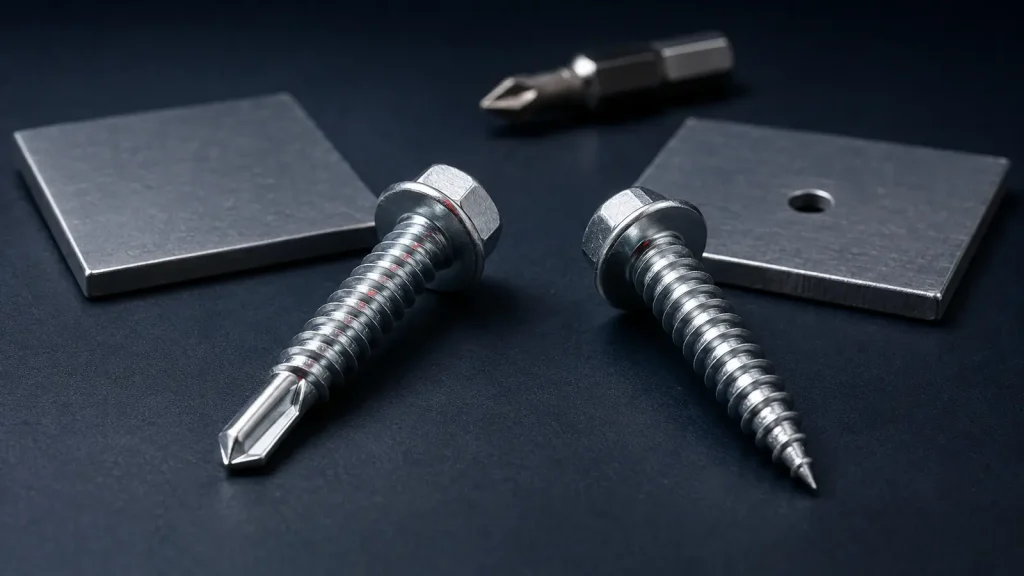
Blue-White Zinc Plated Winged Countersunk Head Self-Drilling Screw

Blue-White Zinc Plated Winged Countersunk Head Self-Drilling Screw

Brand: Hengzuan Surface: blue and white zinc plated, optional color zinc plated, black oxide treatment Specifications: in stock ST3.5/ST4.2/ST4.8 mainstream specifications, rod length 16~50mm full size range, supports nonstandard length customization, suitable for drilling steel sheets 2~5mm Packaging: 25kg cartons, full pallets packed on wooden pallets, support neutral packaging, private-label customization

Read More
Countersunk Head Blue-White Zinc Plated Self-Drilling Screw (Chinese National Standard: Phillips Countersunk Head Self-Drilling And Self-Tapping Screw GB/T15856.2-2002)

Countersunk Head Blue-White Zinc Plated Self-Drilling Screw (Chinese National Standard: Phillips Countersunk Head Self-Drilling And Self-Tapping Screw GB/T15856.2-2002)

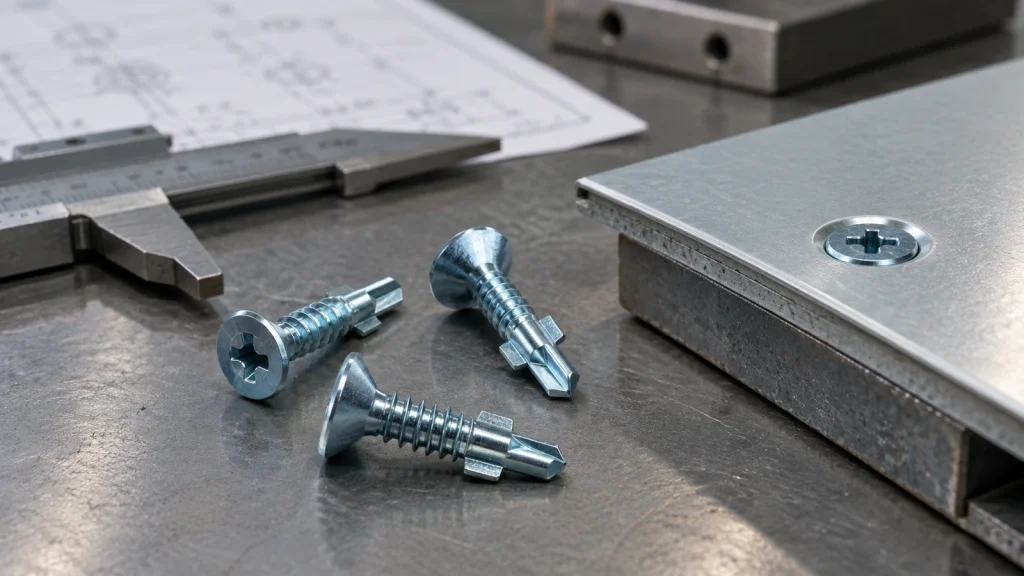
Brand: Hengzuan Surface: blue and white zinc plated, can be customized color zinc plated, black oxide plated Specifications: Comply with GB/T15856.2-2002 Chinese national standard, in stock ST4.2/ST4.8/ST5.5 full range of specifications, length 13mm~75mm optional, supports customized nonstandard rod lengths; drilling adaptation plate thickness 0.7~6mm Packaging: 25kg export cartons, full pallets wrapped with film, supports neutral export packaging, customer private-label customization

Read More
Hexagonal Wood Screws

Hexagonal Wood Screws

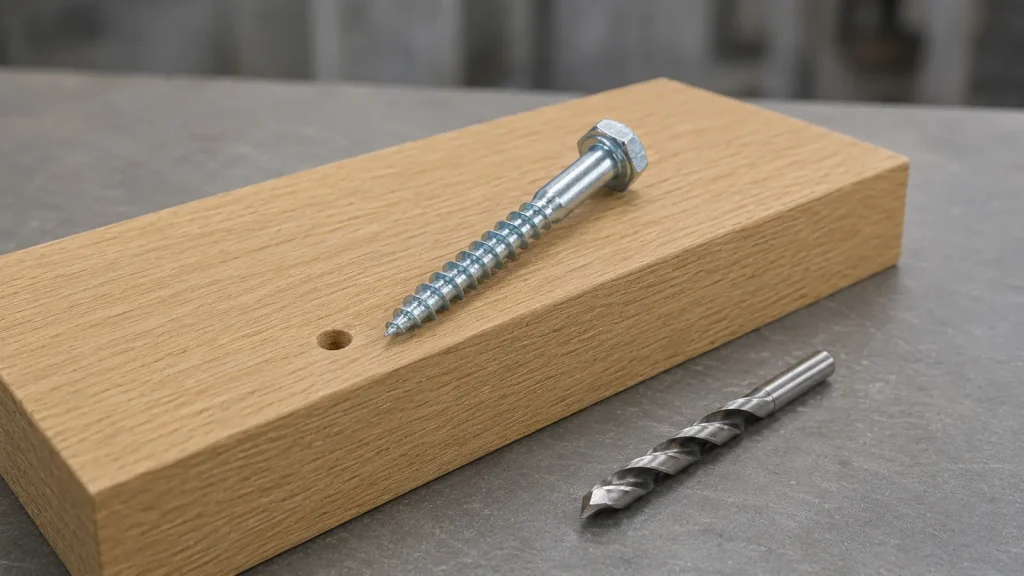
Brand: Wotu Surface: blue and white zinc plated Specifications: Chinese national standard 6#/8#/10#/12#/16#/20#, rod length 35mm~250mm full range of specifications in stock, supports nonstandard length customization Packaging: 25kg cartons, full pallets packed on wooden pallets, support neutral packaging, private-label customization

Read More
Countersunk Head Blue Zinc Self-Drilling Screw

Countersunk Head Blue Zinc Self-Drilling Screw

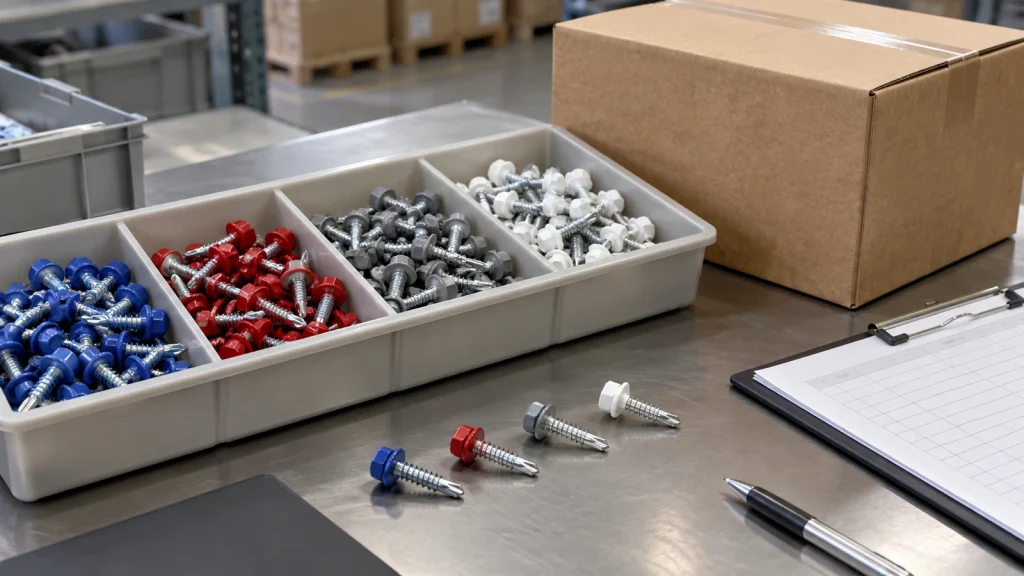
Brand: Hengzuan Surface: blue and white zinc plated, can be customized color zinc plated, black oxide plated Specifications: in stock 3.5/3.9/4.2/4.8/5.5 mainstream wire diameter, rod length 13mm~75mm full size range, nonstandard length can be customized as needed Packaging: 25kg export cartons, full wooden pallets wrapped with film, supports neutral export packaging, private-label customization

Read More
Color Zinc Plated Hex Flange Wood Screw With Washer

Color Zinc Plated Hex Flange Wood Screw With Washer

Brand: Hengzuan Surface: color zinc plated, can be customizedblue-white zinc plated Specifications: in stock 4.8/5.5 common wire diameter, rod length 16~125mm full range of specifications, supports nonstandard customized Packaging: 25kg cartons, whole wooden pallets, support neutral packaging, private-label customization

Read More

Match the bit profile to the timber and hole finish

Wood drill bit selection

Relevant selection criteria include the wood or board material, bit profile, hole diameter and depth, entry and exit quality, shank compatibility, cutting-edge durability and the difference between occasional handheld use and repeated machine drilling. These details narrow the choice more reliably than diameter alone.

Criterion What To Check Why It Matters Buyer Tip
Bit design for the wood species and hole type Confirm whether the bit is intended for softwood, hardwood, plywood, laminate, or clean through-holes. Point and flute design affect cutting speed, breakout, chip removal, and surface finish. Ask which wood types and hole applications the bit design has been tested for.
Diameter and usable cutting length Compare the required hole diameter and drilling depth with the bit’s stated cutting length. A correct diameter gives the intended hole size, while insufficient length can leave an incomplete or overheated hole. Provide the hole diameter, material thickness, and required depth and ask for a suitable size.
Shank shape and drill compatibility Check the shank form and size against the chuck or tool used on the job. An incompatible shank can cause slipping, poor alignment, or prevent the bit from fitting the drill. Ask whether the shank matches your drill model and whether it is suitable for hand-held or fixed drilling.
Bit material and edge durability Request the bit material, edge construction, and any coating or treatment details. These factors influence edge retention, resistance to heat, and suitability for repeated production drilling. Ask how the bit is intended to perform in your workload and whether replacement or sample testing is available.
Point accuracy and hole breakout control Inspect the point geometry and test entry and exit holes in the actual wood or panel. A well-matched point can reduce wandering at entry and splintering as the bit exits. Send the panel type and required finish, then ask what drilling method or pilot-hole recommendation applies.

Choose a wood drill bit for clean, accurate drilling

A brad-point bit is generally the better choice when hole position and a clean opening matter. Its centre point helps the bit start accurately, while the outer cutting edges score the wood before the main cutting surface removes material. An auger bit is more suitable for deeper holes because its screw point draws the bit forward and its flutes help clear chips.

Flat or spade bits can remove material quickly for larger holes, but they may leave a rougher exit and require more control. A standard twist bit can work for general drilling, but it is not always the best option for clean, accurately located holes in wood. The distinction matters most on visible furniture panels, laminated boards and joinery where breakout cannot be hidden.

Start with the workpiece and hole requirement. Confirm whether the material is solid softwood, hardwood, plywood, MDF, chipboard or a laminated panel, then specify the hole diameter, depth and whether the hole is blind or through. Dense timber and abrasive boards place different demands on cutting edges and chip clearance.

Choose the cutting profile for the finish and speed required. Brad-point bits suit accurate, clean starts; auger bits suit deeper holes and chip removal; flat bits are useful for fast rough openings; and twist-style designs may suit general-purpose work. A bit that removes material quickly may not produce the cleanest visible surface.

Check the complete fit, not only the cutting diameter. The shank must match the drill or machine chuck, and the overall length must reach the hole without excessive flex. For repeated production drilling, also confirm edge durability, re-sharpening or replacement expectations, and whether the bit is intended for handheld or machine use.

Before requesting a quotation, send the material, hole diameter and depth, drilling equipment, and expected finish. Ask Hebei Wotu Fastener Manufacturing Co., Ltd. whether it supplies the required wood drill-bit type and can confirm the available sizes, shank pattern, edge material and packaging for your application.


Criteria Importance Description Example Options
Bit profile and application This is a primary decision because the profile determines starting accuracy, cutting speed and surface finish. Brad-point bits favour accurate, clean starts; auger bits favour deeper holes and chip removal; flat or spade bits suit fast, rougher openings; twist bits cover general-purpose work. Choose a brad-point design for visible cabinet panels and consider an auger design for deeper holes in solid timber.
Wood or board material Material density, abrasiveness and construction affect edge wear, heat and breakout. Solid softwood, hardwood, plywood, MDF, chipboard and laminated boards do not cut in the same way. The suitable edge design and cutting approach may change with the workpiece. A laminated panel may require more attention to entry and exit quality than a concealed hole in softwood.
Hole geometry and finish The required diameter, depth and opening type determine how much control and chip clearance the bit needs. Blind holes, through-holes, deep bores and large openings create different demands. A fast-cutting option may be less suitable when both faces must remain clean. Specify whether the hole is blind or through and identify which entry or exit surface will remain visible.
Machine and shank compatibility A suitable cutting design is unusable if the shank does not fit the chuck or the bit cannot reach the work safely. Confirm the drill or machine, chuck arrangement, shank pattern, overall length and whether use is handheld or repeated machine drilling. A bit for a production machine may need different shank and durability requirements from one intended for occasional handheld use.

Blog Articles / Reviews

What Should an RFQ Include When Sourcing Dacromet Hex Head Self-Drilling Screw?

What Should an RFQ Include When Sourcing Dacromet Hex Head Self-Drilling Screw?

When sourcing dacromet hex head self drilling screw, a complete RFQ should define the application, screw configuration, coating requirement, dimensions, and supplier confirmation requirements. Buyers often receive different quotations because suppliers may interpret coating, size, drilling capability, or packaging scope differently. Before preparing a project inquiry, buyers can review the available fastener product categories to […]

What Is the Difference Between Self Drilling and Self Tapping Screws?

What Is the Difference Between Self Drilling and Self Tapping Screws?

Direct Answer: A self-drilling screw has a drill-shaped point that creates a hole and then forms mating threads in a suitable material. A self-tapping screw forms or cuts mating threads but may require a correctly sized pilot hole. Selection depends on substrate type and thickness, joint stack, point geometry, installation tool, finish and application testing—not […]

Which Hexagonal Wood Screw Specifications Should Buyers Freeze Before Production?

Which Hexagonal Wood Screw Specifications Should Buyers Freeze Before Production?

A hexagonal wood screw order should not be released from a gauge number and length alone. Before production, the buyer and supplier need one approved specification that fixes the screw diameter, length basis, thread geometry, point, hex-head dimensions, material, finish, installation method, substrate and acceptance evidence. The pilot hole belongs in the application specification as […]

What RFQ Details Matter When Ordering Blue Zinc Winged Self-Drilling Screws?

What RFQ Details Matter When Ordering Blue Zinc Winged Self-Drilling Screws?

When ordering a blue zinc self drilling screw with a winged, countersunk configuration, diameter and length are not enough to define the application. The RFQ should identify the materials being connected, upper-material thickness, steel-substrate thickness, total material stack, required countersunk seating, screw diameter, total length, drill-point condition, wing geometry, surface treatment, installation method, quantity and […]

What Should Buyers Confirm When Ordering Color Nylon Head Hex Self-Drilling Screws?

What Should Buyers Confirm When Ordering Color Nylon Head Hex Self-Drilling Screws?

When ordering a chinese standard color nylon head hex self drilling screw, the RFQ should define more than a color name. Buyers should confirm the exact color reference, nylon head or cap configuration, base screw diameter and length, steel-sheet condition, metallic screw finish, visible-face requirement, color approval method, batch-consistency check and packaging or SKU separation. […]

Frequently Asked Questions

Which bit is best for clean holes in cabinet panels or visible joinery?

A brad-point bit is usually the stronger choice because its centre point helps locate the hole and its outer spurs score the surface before the main cutting edge enters. For laminated panels or other visible surfaces, also consider how the bit will control breakout at the exit.

Can a flat or spade bit replace an auger bit?

It can replace one for some large, relatively shallow holes where speed matters more than finish. An auger bit is generally better for deeper holes because its screw point guides the cut and its flutes help remove chips, while a spade bit may need more control and can leave a rougher opening.

Does a larger diameter automatically mean the bit will drill faster?

No. Cutting profile, timber density, chip clearance, drill power and feed control all affect drilling speed. A bit that removes material quickly may still be unsuitable if it creates excessive breakout, heat or wandering.

What information should be included when requesting a quotation?

State the wood or board material, hole diameter, hole depth, and whether the hole is blind or through. Also include the drill or machine type, required shank pattern, expected finish, approximate usage level and packaging requirements; ask Hebei Wotu Fastener Manufacturing Co., Ltd. to confirm which wood drill-bit options match those details.

When is a standard twist bit an acceptable choice for wood?

A twist bit may suit general-purpose or occasional drilling when the hole location and surface finish are not especially demanding. For accurate starts, clean visible holes or repeated joinery work, a wood-specific profile such as a brad-point bit is usually easier to control.

Leave Your Message

Tell us the wood or board material, required hole diameter and depth, and whether drilling is handheld or machine-based. If surface finish matters, also describe whether the holes are blind or through.