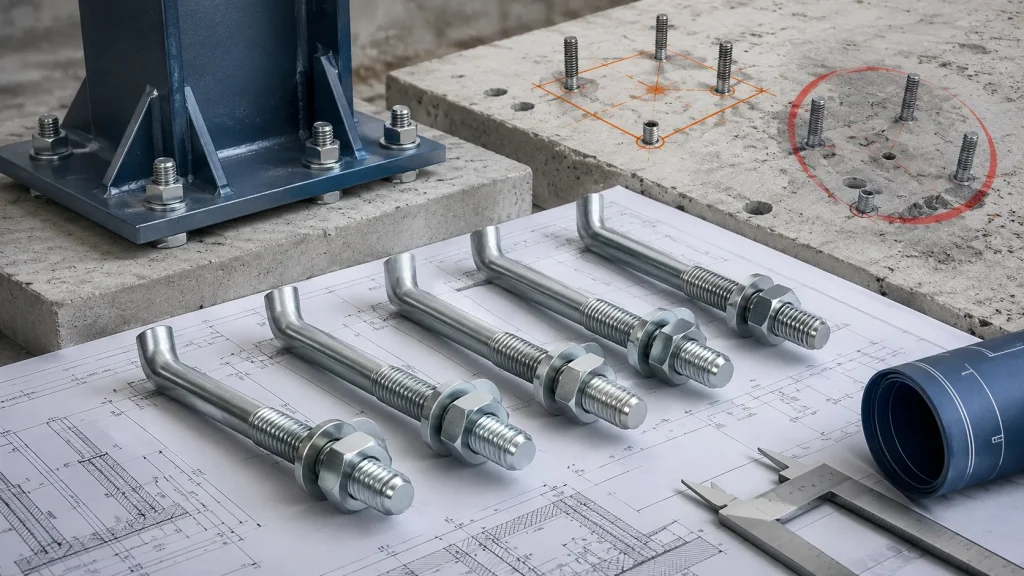
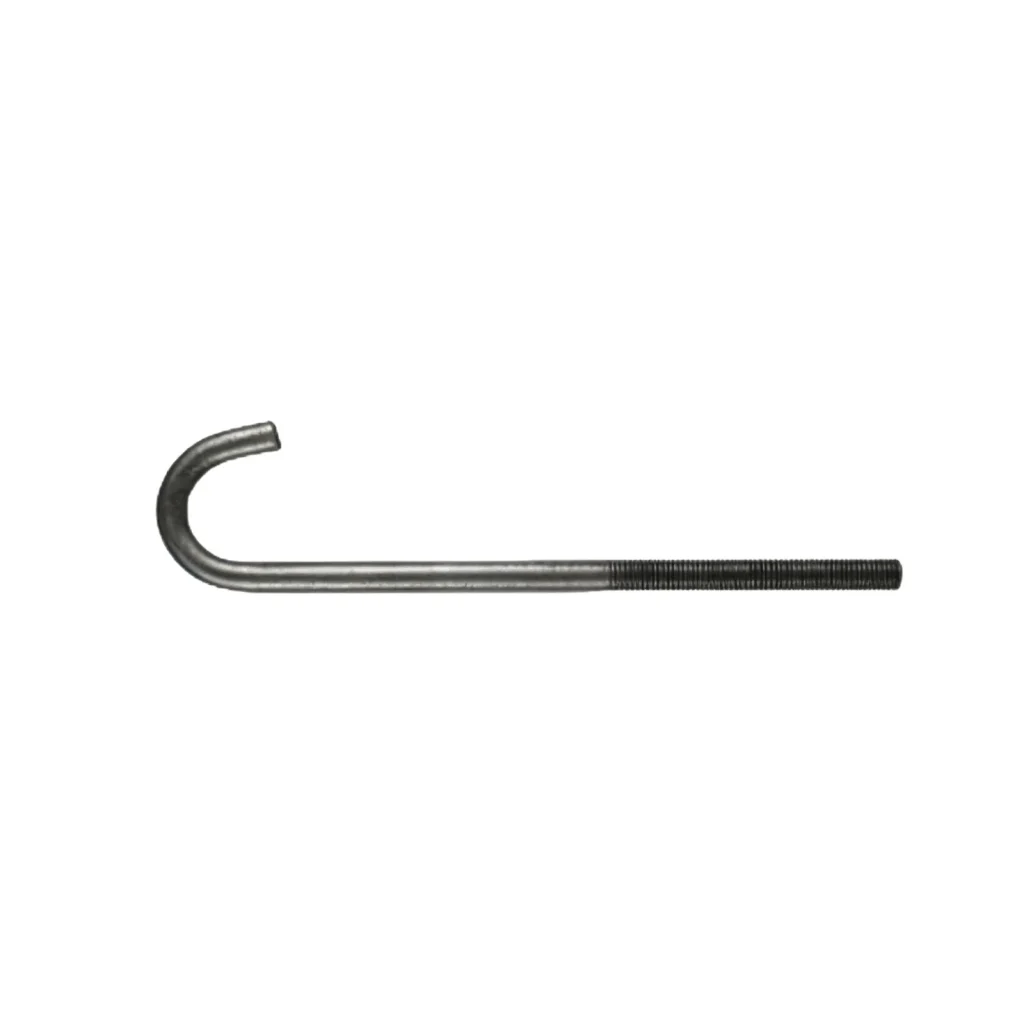
The practical difference is between a hook that is part of the anchor body and a hook fitted to a separate expansion, sleeve, or bolt-type fixing. An integral hook can be simple and convenient for hanging points, while a separate hook and anchor assembly may offer more flexibility if the hook orientation, replacement, or installation sequence matters.
Load direction also matters. A hook used for a mostly downward hanging load is a different decision from a hook exposed to side pull, vibration, or repeated movement. Buyers should avoid treating all hook anchors as interchangeable; the fixing method must match the substrate and the way the load acts on the hook.
Start with the base material. Concrete, solid brick, hollow block, and stone do not behave the same way under expansion pressure or pull-out load. If the fixing is going into hollow masonry, confirm the anchor type rather than assuming a standard expansion anchor will grip reliably.
Match the hook form to the task. Open hooks are quick for hanging and removal, but they can release the supported item if it lifts or swings. Closed eye or ring styles are usually better where movement is possible, although they may need an extra connector such as a shackle, wire rope clip, or chain link.
Choose the surface finish for the environment, not just appearance. Indoor dry use may need a different finish from damp storage areas, exterior walls, or coastal exposure. Confirm whether zinc plating, hot-dip galvanizing, stainless steel, or another treatment is appropriate for the expected corrosion conditions.
Avoid ordering from a short description such as “hook anchor” only. Send a drawing or photo if available, plus thread size, overall length, hook opening or eye form, material grade if specified, finish, substrate, and intended application. If the project has a drawing note or standard, include it before production or quotation.