Bench Drill Press Selection Guide | Hebei Wotu Fastener Manufacturing Co., Ltd.

Bench Drill Press Applications and Fastener Fit

A bench drill press is useful when you need repeatable, straight holes in small metal parts, brackets, plates, wood components or test pieces before fastening. The main decision is not simply motor size or price; it is whether the machine can hold the work securely, keep the bit aligned, and produce the hole quality your fastener or assembly requires.

For buyers comparing drilling before assembly versus using self-drilling or self-tapping fasteners, the choice affects labor, hole accuracy, thread engagement and finish damage. The right answer depends on the material, thickness, hole pattern and the fastener type planned for the joint.

Related Products

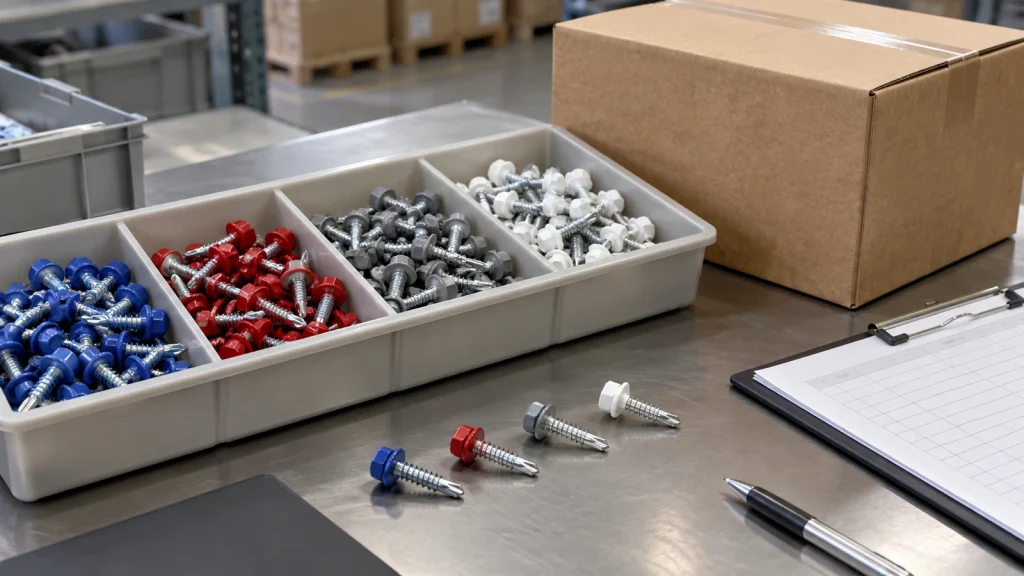
Hex Head Self-Drilling Screw With Bonded Washer

Hex Head Self-Drilling Screw With Bonded Washer

Brand: Hengzuan Surface: blue and white zinc plated, color zinc plated can be customized on request Specifications: in stock 4.2/4.8/5.5/6.3mm mainstream wire diameter, length 20mm~165mm full range of specifications, nonstandard rod length, drill point size can be customized Packaging: 25kg export cartons, full pallets wrapped with film, supports neutral export packaging, customer private-label customization

Read More
White Zinc Plated Hex Head Self-Drilling Screw

White Zinc Plated Hex Head Self-Drilling Screw

Brand: Hengzuan Surface: blue and white zinc plated, optional black oxide, color zinc plated coating Specifications: in stock 4.2/4.8/5.5/6.3mm wire diameter, length 16mm~165mm full size range, supports nonstandard customized rod length Packaging: 25kg export cartons, full-container wooden pallets wrapped with film, supports neutral packaging, private-label customization

Read More
Wafer Head Self-Drilling Screw

Wafer Head Self-Drilling Screw

Brand: Hengzuan Surface: blue and white zinc plated, can be customized color zinc plated, black oxide plated Specifications: Comply with GB/T15856.2 Chinese national standard, in stock ST3.5/ST4.2/ST4.8/ST5.5 mainstream wire diameter, rod length 13mm~50mm full range of specifications, nonstandard length customization on demand, drilling applicable plate thickness 2~5mm Packaging: 25kg export cartons, full pallets wrapped with film, supports neutral export packaging, private-label customization

Read More
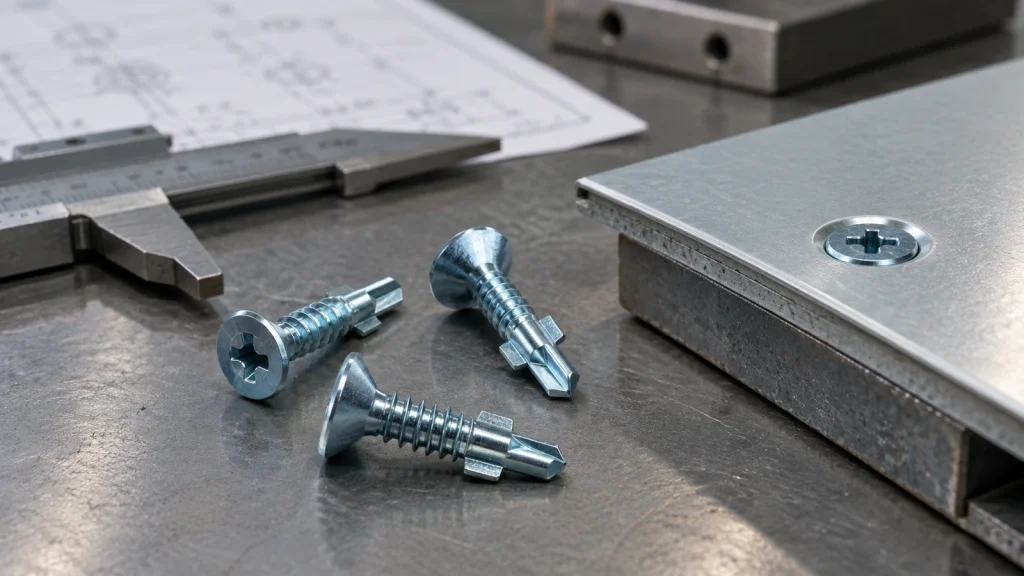
Countersunk Head Blue-White Zinc Plated Self-Drilling Screw (Chinese National Standard: Phillips Countersunk Head Self-Drilling And Self-Tapping Screw GB/T15856.2-2002)

Countersunk Head Blue-White Zinc Plated Self-Drilling Screw (Chinese National Standard: Phillips Countersunk Head Self-Drilling And Self-Tapping Screw GB/T15856.2-2002)

Brand: Hengzuan Surface: blue and white zinc plated, can be customized color zinc plated, black oxide plated Specifications: Comply with GB/T15856.2-2002 Chinese national standard, in stock ST4.2/ST4.8/ST5.5 full range of specifications, length 13mm~75mm optional, supports customized nonstandard rod lengths; drilling adaptation plate thickness 0.7~6mm Packaging: 25kg export cartons, full pallets wrapped with film, supports neutral export packaging, customer private-label customization

Read More

Bench Drill Press Applications and Fastener Fit

Selection criteria

When comparing options around a bench drill press application, look at the hole type, material stack, required alignment, production volume, and the fastener that will pass through or cut into the hole. These details determine whether you need controlled drilling, a different fastener design, or a combination of pilot holes and fastening hardware.

Criterion What To Check Why It Matters Buyer Tip
Spindle speed range and adjustment Review the stated speed range, adjustment method, and whether the speeds suit the materials and drill sizes you use. Small bits and harder materials often need different speeds; unsuitable control can cause overheating, poor holes, or premature bit wear. Ask which speed settings are recommended for your usual material, bit diameters, and production pace.
Chuck capacity and tool compatibility Confirm the chuck type, supported bit-shank range, and whether your existing drills and accessories fit securely. The chuck limits the tools you can use and affects runout, grip, and setup time. Send the supplier a list of your common bit shanks and ask whether any adapter is required.
Quill travel and depth control Check the available quill travel, depth-stop design, and repeatability for the hole depths your parts require. Consistent depth matters for blind holes, counterbores, and repeated assemblies; limited travel can restrict thicker workpieces. Provide the material thickness and required hole depth, then ask for the recommended setup.
Table size, adjustment, and workholding Verify table dimensions, height or angle adjustment, slot pattern, and the space available for a vise or other fixture. A stable, well-supported workpiece improves alignment and makes repetitive drilling safer and more consistent. Share your largest workpiece and fixture footprint and ask how it can be secured on the table.
Rigidity and runout under load Request the applicable runout information, column and base construction details, and any stated operating limits for your work. Flex or spindle movement can produce oversized or misaligned holes, especially in metal or during repeated drilling. Ask how runout is checked and whether a sample test can cover your material, drill size, and hole depth.

Deciding Between Pre-Drilled Holes and Self-Drilling Fasteners

The practical distinction is between drilling a clearance or pilot hole with a bench drill press and allowing the fastener to create its own hole or thread during installation. A drill press gives better control over hole position and perpendicularity, which matters for fixtures, aligned bolt holes and parts that must assemble repeatedly. Self-drilling and self-tapping screws can reduce a separate drilling step, but they still need the correct material range, point style, coating and head form for the job.

If the assembly uses bolts, machine screws, rivets or close-fitting hardware, controlled drilling is often the cleaner route. If the assembly uses sheet metal screws or self-drilling screws, the buyer should confirm whether pre-drilling is unnecessary, optional for alignment, or required because of material thickness, coating, access or installation quality.

Start with the workpiece, not the machine name. Check the material, thickness, part size and required hole diameter range. A compact bench drill press may suit light brackets and workshop samples, while heavier, more rigid machines are preferred when holes must stay square in metal or when many parts are drilled to the same pattern.

Workholding is easy to underestimate. A drill press should be paired with a suitable vise, clamps, stops or jig so the part cannot spin or walk under the drill bit. For repeated hole locations, table adjustment, depth control and a simple fixture can matter more than a headline feature list.

Match the hole to the fastener. Clearance holes, pilot holes, countersunk holes and tapped holes serve different purposes. A common mistake is drilling a hole that is convenient for the bit on hand but wrong for the screw, bolt, washer or finish requirement. If a coating or painted surface must remain intact, confirm the drilling and deburring process before production.

For an inquiry connected with Hebei Wotu Fastener Manufacturing Co., Ltd., clarify whether the question is about selecting fasteners for pre-drilled parts or replacing a drilling step with self-drilling screws. Share the base material, joint stack-up, target fastener style, hole requirement and assembly method so the reply can focus on the fastening decision rather than a generic machine comparison.


Criteria Importance Description Example Options
Hole accuracy and repeatability High when parts must align with bolts, rivets, fixtures, or matching holes A drill press gives better control of perpendicularity and hole location than freehand drilling. Self-drilling fasteners may be faster, but they do not provide the same independent control over hole placement. A bracket with multiple bolt holes may benefit from drilled holes and a stop or jig to keep every part consistent.
Fastener method Central to the decision because the hole must match the hardware Bolts, machine screws, rivets, self-tapping screws, and self-drilling screws need different hole conditions. Choosing the fastener first often clarifies whether drilling is required, optional, or avoidable. A clearance hole for a bolt is different from a pilot hole for a thread-forming screw.
Material and thickness Important because cutting behavior changes across sheet, plate, wood, and stacked materials Harder, thicker, or layered materials may need controlled drilling, suitable bits, slower feed, or a different fastening approach. Thin sheet applications may be candidates for self-drilling screws if the screw design suits the joint. A light sheet-to-frame joint may use self-drilling screws, while a close-fitting bolted plate may need drilled holes.
Workholding and safety of the setup High for hole quality and operator control The workpiece should be secured so it cannot rotate, lift, or shift during drilling. Clamps, a vise, stops, or a fixture are often necessary for small metal parts and repeated hole patterns. A small tab or bracket should be held in a vise or fixture rather than by hand.
Finish condition after drilling or fastening Relevant when visible surfaces, coatings, or corrosion protection matter Drilling can leave burrs, expose base material, or damage coatings if the process is not controlled. Self-drilling screws can also affect finish around the hole, so the assembly method should match the appearance and durability requirement. A painted panel may need a planned drilling, deburring, and fastening sequence to reduce coating damage.

Blog Articles / Reviews

The Concept of Hexagonal Self-Drilling Screws and High-Pressure Standard Parts

The Concept of Hexagonal Self-Drilling Screws and High-Pressure Standard Parts

Hexagonal self-drilling screws, manufactured by Hebei Wotu Fastener Manufacturing Co., Ltd., operate under a modern enterprise system and strictly manage according to the ISO9001:2015 quality system. The company uses “Wotu” as its registered trademark. The term “standard parts” in China is a shorthand for “standard fasteners,” a narrow definition. High- and medium-pressure standard parts refer […]

What Should an RFQ Include When Sourcing Dacromet Hex Head Self-Drilling Screw?

What Should an RFQ Include When Sourcing Dacromet Hex Head Self-Drilling Screw?

When sourcing dacromet hex head self drilling screw, a complete RFQ should define the application, screw configuration, coating requirement, dimensions, and supplier confirmation requirements. Buyers often receive different quotations because suppliers may interpret coating, size, drilling capability, or packaging scope differently. Before preparing a project inquiry, buyers can review the available fastener product categories to […]

What Is the Difference Between Self Drilling and Self Tapping Screws?

What Is the Difference Between Self Drilling and Self Tapping Screws?

Direct Answer: A self-drilling screw has a drill-shaped point that creates a hole and then forms mating threads in a suitable material. A self-tapping screw forms or cuts mating threads but may require a correctly sized pilot hole. Selection depends on substrate type and thickness, joint stack, point geometry, installation tool, finish and application testing—not […]

What RFQ Details Matter When Ordering Blue Zinc Winged Self-Drilling Screws?

What RFQ Details Matter When Ordering Blue Zinc Winged Self-Drilling Screws?

When ordering a blue zinc self drilling screw with a winged, countersunk configuration, diameter and length are not enough to define the application. The RFQ should identify the materials being connected, upper-material thickness, steel-substrate thickness, total material stack, required countersunk seating, screw diameter, total length, drill-point condition, wing geometry, surface treatment, installation method, quantity and […]

What Should Buyers Confirm When Ordering Color Nylon Head Hex Self-Drilling Screws?

What Should Buyers Confirm When Ordering Color Nylon Head Hex Self-Drilling Screws?

When ordering a chinese standard color nylon head hex self drilling screw, the RFQ should define more than a color name. Buyers should confirm the exact color reference, nylon head or cap configuration, base screw diameter and length, steel-sheet condition, metallic screw finish, visible-face requirement, color approval method, batch-consistency check and packaging or SKU separation. […]

Frequently Asked Questions

Is a drill press necessary if I plan to use self-drilling screws?

Not always. Self-drilling screws are designed to cut their own hole in suitable material, but a drilled pilot or clearance hole may still be useful for alignment, thicker stacks, difficult access, or a cleaner assembly process. Confirm the material thickness, screw point type, and joint stack before removing the drilling step.

What is the main advantage over a handheld drill?

A bench drill press holds the bit in a fixed vertical path, so it is easier to make straight, repeatable holes. That matters when bolts, rivets, washers, or mating parts need consistent hole position and squareness. A handheld drill may be acceptable for rough work or field adjustments, but it gives less control.

Can one drilled hole work for any screw or bolt of the same nominal size?

No. Pilot holes, clearance holes, tapped holes, and countersunk holes are different. The correct hole depends on the fastener style, material, thread engagement, washer use, finish, and whether the screw must cut threads or simply pass through.

What should I confirm before asking about fasteners for pre-drilled parts?

Provide the base material, thickness, hole diameter, hole purpose, coating or finish, and the fastener type you intend to use. If the goal is to replace pre-drilling with self-drilling screws, include the full material stack and installation method so the fastening option can be judged realistically.

What common mistake causes poor hole quality?

Poor workholding is a frequent cause. If the part is not clamped or located properly, it can move, spin, burr heavily, or produce an off-center hole. For repeated parts, a vise, stop, or simple jig often improves results more than changing the drill itself.

Leave Your Message

Send the material type and thickness, the hole or fastener size you plan to use, and whether the parts will be pre-drilled or assembled with self-drilling or self-tapping screws.