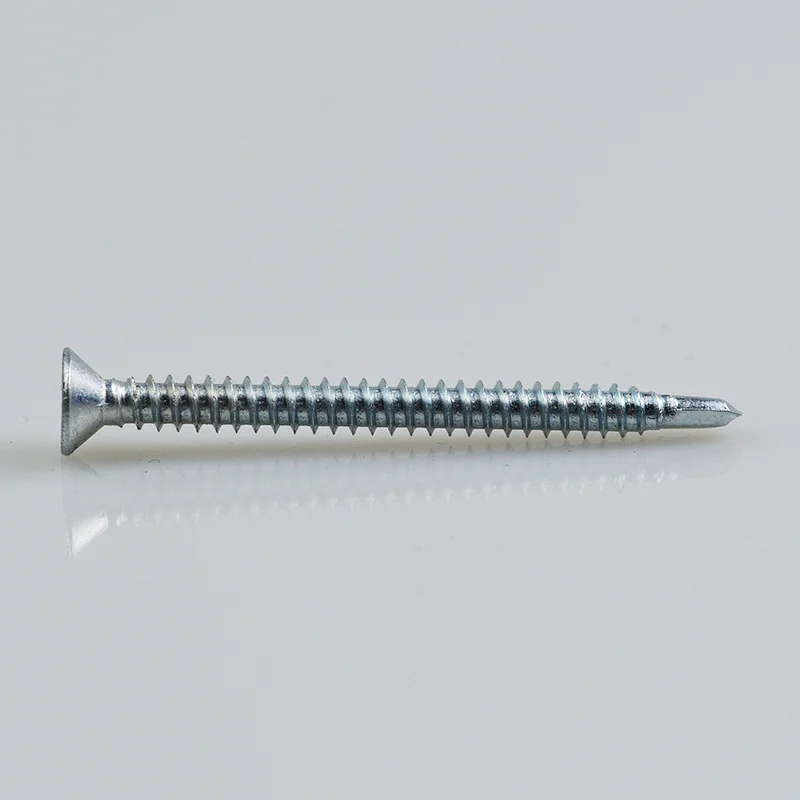
The practical distinction is between fasteners that bite directly into masonry and fasteners that expand or lock inside a drilled hole. Direct masonry screws can suit repeatable installations where accurate drilling and removal matter. Expansion anchors, sleeve anchors, plugs, and similar fixings depend more on hole quality and brick strength, but they can give a stronger hold for many mounted fixtures.
Brick type changes the choice. Solid brick can often accept a wider range of masonry fasteners, while hollow or perforated brick may need a fixing that spreads load without breaking the web of the brick. Mortar joints are usually less predictable than the brick itself, so they should not be treated as an equal fixing point unless the application has been checked.
Start with the load and direction of force. A fastener holding a vertical wall bracket, a suspended item, or an exterior fitting may face pull-out, shear, vibration, or weather at the same time. Describe the mounted part and how it will be used, not just the fastener diameter you have used before.
Check the brick before choosing the anchor. Solid, hollow, soft, glazed, aged, or cracked brick can behave very differently during drilling and tightening. An avoidable mistake is using an aggressive expansion fastener in weak brick, then over-tightening it until the masonry splits.
Match the finish to the environment. Indoor dry use, damp service areas, exterior walls, and chemically exposed sites call for different corrosion protection. If appearance matters, also confirm head style, color requirements, and whether the fastener will remain visible after installation.
For an inquiry to Hebei Wotu Fastener Manufacturing Co., Ltd., prepare the brick type, fixture material and thickness, expected load or application, indoor or outdoor exposure, and preferred head or anchor style if known. If the fixing will be used in safety-critical work, ask what testing, standards, or installation data can be supplied for the proposed fastener.