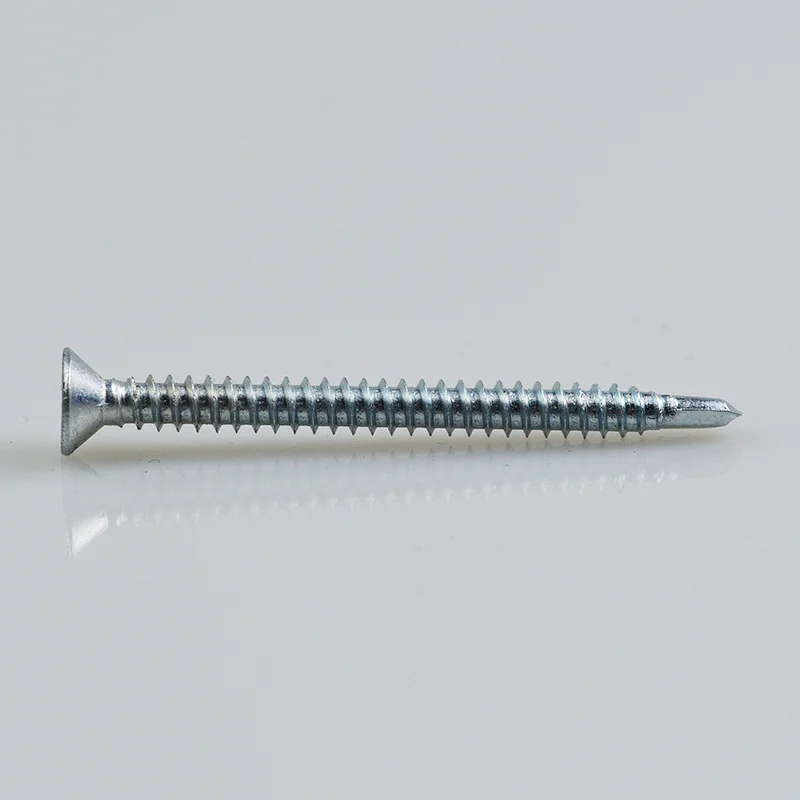
Dash Fasteners for Panels and Trim | Hebei Wotu Fastener Manufacturing Co., Ltd.

Dash fasteners for instrument panels, trim, and brackets

A dash fastener holds an instrument panel, trim cover, switch bezel, or interior bracket in place without damaging the visible surface. The main purchase decision is not just the fastener type; it is how the part fits the panel material, hole shape, service access, vibration level, and finish requirements.

For a buyer, the useful question is simple: should the joint be removable for maintenance, or should it be a secure one-time assembly? That choice changes the fastener style, head shape, material, coating, and installation method.

Related Products

U-bolt ( / U-bolt, M10/M12/M16/M20/M24 multiple specifications)

U-bolt ( / U-bolt, M10/M12/M16/M20/M24 multiple specifications)

Brand: Wotu Surface: natural black oxide / hot-dip galvanized / blue-white zinc plated, multiple processes available Specifications: Based on common industry drawing parameters, suitable for pipe diameter 25mm~139.7mm, screw diameter M10~M24, total length can be nonstandard customized Matching: can be matched with nut, flat washer and spring washer of the same specifications for complete shipment Packaging: Bundling and packaging + 25kg export carton, full-container wooden pallet wrapped with film, supports private-label export packaging

Read More
White Zinc Plated Hex Head Self-Drilling Screw

White Zinc Plated Hex Head Self-Drilling Screw

Brand: Hengzuan Surface: blue and white zinc plated, optional black oxide, color zinc plated coating Specifications: in stock 4.2/4.8/5.5/6.3mm wire diameter, length 16mm~165mm full size range, supports nonstandard customized rod length Packaging: 25kg export cartons, full-container wooden pallets wrapped with film, supports neutral packaging, private-label customization

Read More
Hex Head No. 5 Point Self-Drilling Screw

Hex Head No. 5 Point Self-Drilling Screw

Brand: Wotu Surface: blue and white zinc plated, customized color zinc plated, Dacromet anti-corrosion coating available Specifications: ST5.5, ST6.3 mainstream specifications, rod length 20mm~125mm, full size range in stock, support nonstandard customization, drilling to adapt to steel sheet 2-6mm Packaging: 25kg cartons, whole wooden pallets

Read More
Countersunk Head Blue Zinc Self-Drilling Screw

Countersunk Head Blue Zinc Self-Drilling Screw

Brand: Hengzuan Surface: blue and white zinc plated, can be customized color zinc plated, black oxide plated Specifications: in stock 3.5/3.9/4.2/4.8/5.5 mainstream wire diameter, rod length 13mm~75mm full size range, nonstandard length can be customized as needed Packaging: 25kg export cartons, full wooden pallets wrapped with film, supports neutral export packaging, private-label customization

Read More
Chinese-standard Color Nylon Head Hex Self-Drilling Screw

Chinese-standard Color Nylon Head Hex Self-Drilling Screw

Brand: Hengzuan Surface: screw color zinc plated, head color nylon protective cap, multiple colors available Specifications: Chinese national standard ST5.5, ST6.3 mainstream caliber, rod length 25mm~125mm full range of specifications in stock, supports nonstandard length customization, suitable for drilling steel sheet thickness 2~6mm Packaging: 25kg cartons, full pallets packed on wooden pallets, support neutral packaging, private-label customization

Read More

Dash fastener options for interior panels and brackets

Selection criteria

Compare dash fastener options by fit, retention method, removability, head profile, material compatibility, and coating. The right choice should install cleanly, hold through vibration, and match the access available on the assembly line or during service.

Criterion What To Check Why It Matters Buyer Tip
Vehicle panel and dashboard location Confirm the exact trim panel, console part, glove box area, or instrument panel point where the dash fastener will be used. Dash fasteners often look similar but differ in head shape, stem style, and grip. A small mismatch can leave a loose panel, visible gap, or damaged trim. Ask: Can you match the fastener to an OEM sample, drawing, or clear photos with dimensions?
Retaining style and removal needs Compare push-in clips, screw-type retainers, rivet-style clips, and threaded fasteners against how the panel is installed and serviced. Some dashboard fasteners are intended for quick assembly, while others hold better under repeated vibration or allow cleaner removal during repair. Ask: Should this part be reusable after dashboard service, or is a one-time installation acceptable?
Material and finish compatibility Verify the fastener material, coating, and color against the dashboard substrate and visible interior trim requirements. Interior fasteners may need to avoid rust staining, squeaks, galvanic issues with nearby metal parts, or an obvious color mismatch on exposed heads. Ask: Will the head be visible in the cabin, and does it need a specific color or surface finish?
Grip range and hole fit Check panel thickness, hole diameter, hole shape, and stack-up before choosing the dash fastener. A fastener that is too loose can rattle; one that is too tight can crack plastic trim or deform a mounting point. Ask: Can you provide the panel thickness range and hole size from the actual dashboard component?
Packaging and identification for assembly Confirm how the fasteners will be counted, labeled, and separated if several dashboard clips or screws are used in the same job. Interior assemblies often use many similar small parts. Clear identification reduces wrong-part installation and rework. Ask: Do you need bulk packing, kit packing by dashboard position, or labels tied to your part numbers?

Choosing the right dash fastener for fit, service access, and appearance

Dash fasteners are often confused with general screws, clips, rivets, and trim retainers, but the difference is the installation environment. A dashboard assembly usually combines plastic, sheet metal, foam, wiring, and visible interior surfaces, so the fastener must hold firmly without cracking plastic bosses, rattling loose, or leaving an unattractive head.

A screw may be right for a bracket or hidden mounting point, while a push-in clip or retainer may suit trim that needs quick assembly. Thread-forming screws can reduce separate inserts in plastic, but they require the correct pilot design. Metal clips can give strong retention, but they may mark soft panels if the contact area is not considered.

Start with the joint, not the fastener name. Confirm the panel materials, total stack thickness, hole diameter or slot shape, and whether the fastener bears load or only locates a trim piece. A dash fastener for a plastic trim cover has different needs from one securing a metal support bracket behind the dashboard.

Decide how the part will be serviced. If the panel must come off during repair, choose a removable design that maintains holding force after repeated use. If the assembly is permanent or rarely opened, a rivet-style or locking retainer may reduce loosening, but it can make later disassembly slower or destructive.

Do not treat finish as cosmetic only. Interior applications may need a low-profile head, color matching, or a non-reflective surface. Hidden locations may care more about corrosion resistance, thread strength, and consistent installation torque. If the fastener will contact dissimilar metals or sit near HVAC moisture, ask about suitable material and surface treatment options.

Avoid the common mistake of selecting from diameter alone. Share a drawing, sample, photo of the mounting point, mating material, expected removal requirement, and any head appearance limits. Hebei Wotu Fastener Manufacturing Co., Ltd. can then confirm which fastener style is appropriate or what details are still needed before quoting.


Criteria Importance Description Example Options
Retention method Usually the first decision The fastener may hold by thread engagement, spring tension, expansion, or a locking feature. Each method behaves differently under vibration, service removal, and panel movement. A screw may suit a hidden support bracket, while a push-in retainer may suit a trim panel that needs fast assembly.
Panel material and hole design Critical for preventing damage Plastic bosses, sheet metal holes, and slotted openings need different contact pressure and engagement geometry. A fastener that grips well in metal may overstress a plastic panel. A thread-forming screw in plastic needs the correct pilot design; a metal clip may need enough bearing area to avoid marking a soft surface.
Removability Important when the dashboard may need service access Removable designs support repair and replacement, but they may require more careful selection to maintain retention after repeated use. Permanent or locking designs can hold firmly but may be harder to remove cleanly. A switch bezel that may be removed during maintenance benefits from a reusable fastener rather than a one-time locking retainer.
Head profile and appearance High for visible interior locations Visible dashboard areas often need a neat, low-profile, color-compatible, or non-reflective head. Hidden areas usually prioritize strength, access, and installation consistency instead. A visible trim point may need a tidy head shape, while a hidden bracket can use a functional head style if tool access is available.
Material and surface treatment Depends on exposure and mating materials Material and coating affect corrosion resistance, friction, appearance, and compatibility with surrounding parts. Interior parts may still face moisture from HVAC areas or contact with dissimilar metals. A hidden fastener near damp airflow may need a different surface treatment than a visible trim retainer in a dry location.

Blog Articles / Reviews

What Is a Fastener? Types, Functions and Industrial Uses

What Is a Fastener? Types, Functions and Industrial Uses

A fastener is a hardware component that mechanically joins or secures parts. Common examples include screws, bolts, nuts and rivets; washers are supporting components used in many fastening assemblies. Some connections can be dismantled by removing threaded fasteners, while others, such as riveted joints, normally require the fastener to be destroyed during removal. In industrial […]

Oxidation Treatment Specifications for Self-Drilling Screw Fasteners

Oxidation Treatment Specifications for Self-Drilling Screw Fasteners

The surface treatment of self-drilling screws requires specific procedures. What manufacturing processes are generally used for surface treatment? Hebei Wotu Fastener Manufacturing Co., Ltd. will explain oxidation treatment below. The surface treatment of self-drilling screws requires specific procedures. What manufacturing processes are generally used for surface treatment? Hebei Wotu Fastener Manufacturing Co., Ltd. will explain […]

National Standards for Self-Drilling Screws – Fasteners

National Standards for Self-Drilling Screws – Fasteners

When using fasteners, are you familiar with the standards governing them? Today, Hebei Wotu Fastener Manufacturing Co., Ltd. will discuss the national standards for fasteners with you. Let’s take a look. 1. Standards for Fastener Product Dimensions: These specifically define the basic dimensions of the product; for threaded products, this also includes the basic dimensions […]

Frequently Asked Questions

Is a screw or a clip better for an instrument panel?

Use a screw where the joint needs controlled clamping force, such as a hidden bracket or support point. Use a clip, retainer, or push-in fastener where quick assembly, trim alignment, or a cleaner visible surface matters more. The best choice depends on the panel material, hole design, and whether the part will be removed later.

Can the same fastener be used for plastic trim and metal brackets?

Not always. Plastic trim can crack, strip, or deform if the fastener creates too much stress, while metal brackets may need higher strength or better corrosion resistance. Check the mating materials, stack thickness, and installation force before standardizing on one part.

What is the common mistake when replacing a dash fastener?

A common mistake is matching only the diameter or head style and ignoring the retention method. Two fasteners that look similar may grip very differently in a plastic boss, sheet metal hole, or slotted opening. The hole shape, panel thickness, and removal requirement are usually just as important as the visible head.

Should a dashboard fastener be removable?

If the panel covers wiring, switches, HVAC parts, or serviceable components, removability matters. A removable fastener should keep acceptable holding force after service access, while a more permanent retainer may hold firmly but can slow repair or damage the panel during removal.

What information should be sent before requesting a recommendation?

Send the panel material, hole or boss dimensions, total stack thickness, installation direction, and whether the fastener is visible. A photo, drawing, sample, or note about expected removal will help confirm the correct style and avoid a fastener that fits the hole but fails in use.

Leave Your Message

Send the panel material, hole or boss dimensions, stack thickness, and whether the dash fastener must be removable. A drawing, sample photo, or target head appearance will make the recommendation more accurate.