| Frame and wall material pairing |
Confirm whether the fastener will secure a timber, steel, aluminum, or composite door frame into masonry, concrete, steel stud, or timber backing. |
The base material determines the fastener style, thread form, anchor need, and risk of pull-out or frame distortion. |
Ask: What is the door frame material, and what substrate will the fastener bite into? |
| Head style and finish fit |
Compare countersunk, pan, wafer, or hex heads against the frame profile and any visible trim requirements. |
The wrong head can stop the frame sitting flush, interfere with hinges or seals, or leave an exposed fixing that looks unfinished. |
Ask: Should the fastener sit flush, remain visible, or be hidden under a plug or cover? |
| Corrosion protection for the location |
Match the coating or surface treatment to indoor, exterior, damp, or chemically exposed installations. |
Door frame fasteners often sit near thresholds and joints where moisture collects; poor corrosion resistance can stain the frame or weaken the fixing. |
Ask: Is the doorway interior, exterior, coastal, wet-area, or exposed to cleaning chemicals? |
| Thread length and fixing depth |
Verify that the threaded section and total length suit the frame thickness, packing space, and required embedment in the substrate. |
Too short a fastener may not hold; too long can hit services, crack masonry, or distort a hollow frame section. |
Ask: What are the frame thickness and the minimum fixing depth required by the installation design? |
| Installation method and adjustment needs |
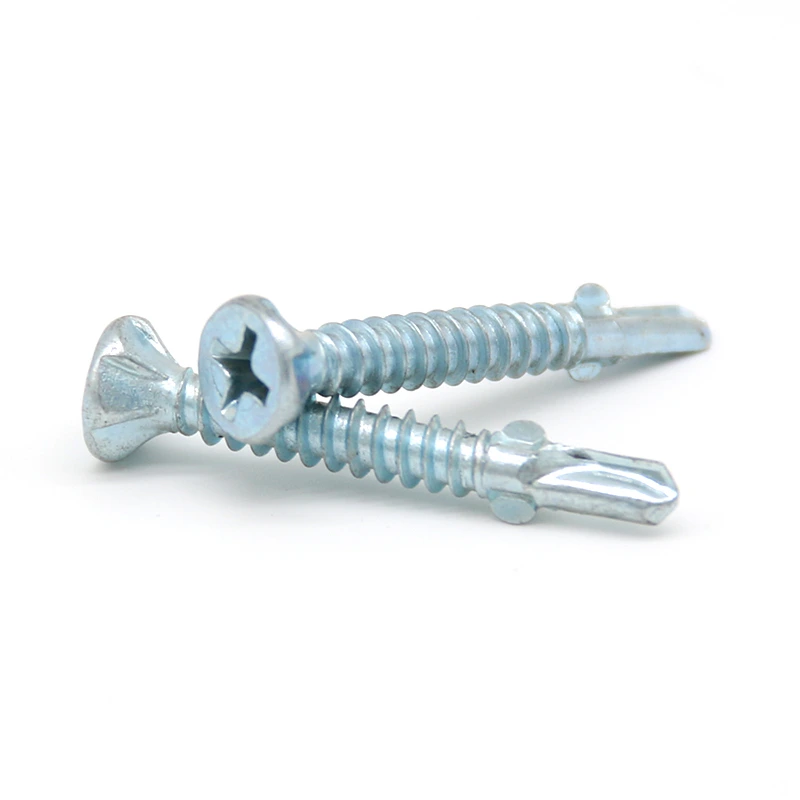
Decide whether the installer needs self-drilling screws, frame screws, sleeve anchors, or fixings that allow shimming and final alignment. |
Door frames need accurate plumb and square alignment before final tightening; some fasteners make adjustment easier than others. |
Ask: Will the frame be packed and adjusted on site before the fasteners are fully tightened? |