Electronic Lock Selection | Hebei Wotu Fastener Manufacturing Co., Ltd.

Electronic lock selection for doors, cabinets and enclosures

An electronic lock can control access to a door, cabinet, gate or enclosure without relying on a traditional key. The right choice depends first on the application: identify the door or panel construction, the required access method, the available power and what should happen if power or communication is lost.

For a dependable installation, match the lock body and mounting hardware to the available space and the load on the closure. A lock that fits the electronics but leaves the housing, strike or fasteners poorly supported can create alignment, tamper or maintenance problems.

Related Products

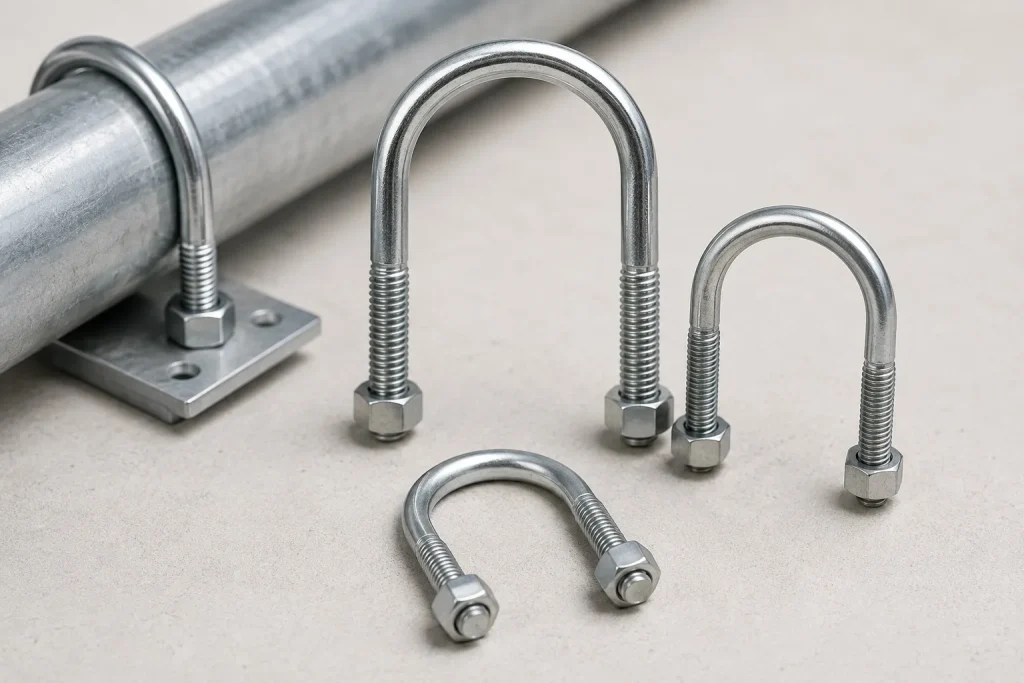
U-bolt ( / U-bolt, M10/M12/M16/M20/M24 multiple specifications)

U-bolt ( / U-bolt, M10/M12/M16/M20/M24 multiple specifications)

Brand: Wotu Surface: natural black oxide / hot-dip galvanized / blue-white zinc plated, multiple processes available Specifications: Based on common industry drawing parameters, suitable for pipe diameter 25mm~139.7mm, screw diameter M10~M24, total length can be nonstandard customized Matching: can be matched with nut, flat washer and spring washer of the same specifications for complete shipment Packaging: Bundling and packaging + 25kg export carton, full-container wooden pallet wrapped with film, supports private-label export packaging

Read More
Wafer Head Self-Drilling Screw

Wafer Head Self-Drilling Screw

Brand: Hengzuan Surface: blue and white zinc plated, can be customized color zinc plated, black oxide plated Specifications: Comply with GB/T15856.2 Chinese national standard, in stock ST3.5/ST4.2/ST4.8/ST5.5 mainstream wire diameter, rod length 13mm~50mm full range of specifications, nonstandard length customization on demand, drilling applicable plate thickness 2~5mm Packaging: 25kg export cartons, full pallets wrapped with film, supports neutral export packaging, private-label customization

Read More
Countersunk Head Blue-White Zinc Plated Self-Drilling Screw (Chinese National Standard: Phillips Countersunk Head Self-Drilling And Self-Tapping Screw GB/T15856.2-2002)

Countersunk Head Blue-White Zinc Plated Self-Drilling Screw (Chinese National Standard: Phillips Countersunk Head Self-Drilling And Self-Tapping Screw GB/T15856.2-2002)

Brand: Hengzuan Surface: blue and white zinc plated, can be customized color zinc plated, black oxide plated Specifications: Comply with GB/T15856.2-2002 Chinese national standard, in stock ST4.2/ST4.8/ST5.5 full range of specifications, length 13mm~75mm optional, supports customized nonstandard rod lengths; drilling adaptation plate thickness 0.7~6mm Packaging: 25kg export cartons, full pallets wrapped with film, supports neutral export packaging, customer private-label customization

Read More
Countersunk Head Blue Zinc Self-Drilling Screw

Countersunk Head Blue Zinc Self-Drilling Screw

Brand: Hengzuan Surface: blue and white zinc plated, can be customized color zinc plated, black oxide plated Specifications: in stock 3.5/3.9/4.2/4.8/5.5 mainstream wire diameter, rod length 13mm~75mm full size range, nonstandard length can be customized as needed Packaging: 25kg export cartons, full wooden pallets wrapped with film, supports neutral export packaging, private-label customization

Read More
Countersunk Head Cross Blue-White Zinc Plated Drywall Screw

Countersunk Head Cross Blue-White Zinc Plated Drywall Screw

Brand: Hengzuan Surface: blue and white zinc plated Specifications: in stock 3.5/3.9/4.2 mainstream wire diameter, rod length 16mm~80mm full size range in stock, supports nonstandard length customization; fine/coarse tooth types are available Packaging: 25kg export cartons, full pallets wrapped with film, supports neutral export packaging, private-label customization

Read More

Electronic lock selection for the door, cabinet or enclosure

Selection considerations

Compare electronic locks by application fit, door or panel geometry, access method, power and fail-state behavior, environmental exposure, service access and mounting hardware. The fixing arrangement deserves its own review: thread compatibility, available clearance, joint load, tamper resistance and the ability to remove the lock without damaging the enclosure can all affect the final choice.

Criterion What To Check Why It Matters Buyer Tip
Lock type and door fit Confirm the lock format, door material, thickness range, handing, and available mounting space. A lock that does not match the door construction or clearances may require redesign or fail to engage correctly. Ask the supplier for an installation drawing and the exact door dimensions the model supports.
Power-loss and emergency access Verify what happens during power failure, battery depletion, network loss, or controller fault. The required fail-secure or fail-safe behavior depends on the building’s safety needs and the access policy. Ask how authorized users can enter during an outage and what mechanical or external emergency release is provided.
Credential and control method Compare the supported credential types and control options, such as keypad, card, mobile credential, biometric input, local controller, or network management. The access method affects user convenience, administration, privacy, and compatibility with the existing entry system. Ask whether the lock works with your current access platform or needs a separate controller and software.
Battery and wiring arrangement Confirm whether the lock is battery-powered, wired, or hybrid, and identify battery access, low-power alerts, and cable routing requirements. Power arrangements affect installation effort, maintenance visits, downtime risk, and suitability for the door location. Ask for the expected maintenance procedure and the warning provided before power is unavailable.
Mechanical mounting and fasteners Check the mounting-hole pattern, screw or nut type, thread compatibility, and resistance to loosening under repeated door operation. Incorrect fasteners or limited installation clearance can weaken the assembly or prevent accurate lock alignment. Ask for the fastener specification and installation torque guidance, especially where space is limited.

Match access, power, fail state and mounting space

The main practical distinction is between an electronic lock intended for standalone access and one designed to work with a wider access-control system. A standalone unit may suit a cabinet or small controlled room, while a connected unit must also be compatible with the control method, wiring arrangement and release logic used at the site.

Fail-secure and fail-safe behavior also matters. Decide whether the lock should remain secured or permit release after a power interruption, then confirm that choice against the site's safety, security and emergency-access requirements before selecting the hardware.

Start with the closure rather than the lock name. Record whether the application is a hinged door, sliding door, cabinet, gate or removable panel, along with the material, available mounting depth and alignment between the lock and its keeper or strike. A compact lock is not automatically suitable if the door flexes or the mounting surface cannot hold the fixing hardware.

Next, choose the access method and operating arrangement. Keypad, card, mobile, biometric and remote-control systems create different requirements for users, administration and backup access. Confirm the power source, cable route, standby or backup arrangement and the required response during a power or communication interruption.

Consider the environment and service routine. Dust, moisture, outdoor exposure, vibration and frequent use can affect the housing, contacts, cable entry and mounting points. For a lock installed in a narrow enclosure, check whether the chosen nut, screw or washer arrangement leaves room for assembly and later maintenance; a thinner nut may save space, but it should not replace the required engagement or support for the joint.

Before requesting a quotation, send the application, a simple mounting drawing or photographs, the door or panel material and thickness, and the preferred access and power arrangement. If you are also asking Hebei Wotu Fastener Manufacturing Co., Ltd. about associated fastening parts, ask whether it can meet the required size, material, finish, thread and installation-space constraints for the lock assembly.


Criteria Importance Description Example Options
Application type Usually the first decision point The lock must match the closure it will secure, such as a cabinet, hinged door, sliding door, gate or equipment enclosure. Each application creates different requirements for size, alignment, holding force and service access. A compact cabinet lock may suit a control box, while a frequently used door may need a more robust strike and mounting arrangement.
Access method Important for user management and daily operation Keypad, card, mobile, biometric and remote-release systems differ in convenience, administration, backup access and compatibility with existing controls. The access method should fit how many people use the opening and how often permissions change. A small staff area may use a keypad, while a managed facility may prefer card or remote access tied to a control system.
Power loss behavior Critical for safety and security decisions Fail-safe and fail-secure locks respond differently during power interruption. The correct choice depends on what must happen during an outage and how emergency or manual access will be handled. A secure storage cabinet may need to remain locked during power loss, while an exit-related opening may require a different release strategy.
Mounting space and fastening High impact on real installation fit The lock body, strike, screws, nuts and washers all need enough room for installation and maintenance. Limited clearance can force changes to the lock style or the fastening arrangement. A narrow enclosure may need lower-profile fixing hardware, but the joint still needs enough thread engagement and support.
Environment and duty cycle Important for reliability over time Moisture, dust, vibration, outdoor exposure and frequent operation can affect the lock housing, contacts, cable entry and fixing points. The lock should be selected for the installation conditions rather than appearance alone. A lightly used indoor cabinet has different needs from an outdoor gate exposed to movement and weather.

Product Selection

Related Options

For a narrow cabinet or equipment enclosure, the main priority is usually a compact lock and fastening arrangement that preserves internal clearance while keeping the door aligned and secure. For a larger or frequently used door, resistance to movement, reliable strike alignment and straightforward maintenance may matter more than the smallest lock body.

Blog Articles / Reviews

Hex Thin Nut vs Standard Hex Nut: Which Fits Space-Limited or Locking Assemblies?

Hex Thin Nut vs Standard Hex Nut: Which Fits Space-Limited or Locking Assemblies?

Direct Answer: Choose a hex thin nut when reduced nut height is genuinely required by the assembly or when the engineering design specifies it as part of a locking arrangement. Choose a standard hex nut when full nut height, normal thread engagement, and the specified load-bearing function are required. Buyers should compare nut height, thread […]

Frequently Asked Questions

Can the same lock be used on a cabinet, door and gate?

Not always. A cabinet usually has limited mounting depth and lighter closing forces, while a door or gate may need stronger alignment support, a different strike arrangement and better resistance to vibration or weather. Start with the closure type, material thickness and available fixing space before choosing the lock style.

Should I choose fail-safe or fail-secure operation?

Fail-safe operation releases when power is lost, while fail-secure operation stays locked until it receives the correct release action or backup access. The better choice depends on the balance between safety, security and emergency access for the specific installation. Confirm the required behavior with the site owner or system designer before purchasing.

Is a smart access method more important than the lock body?

No. Keypad, card, mobile or biometric access affects user management, but the mechanical fit still decides whether the closure holds properly. A well-managed access system will still perform poorly if the lock, strike, housing or fasteners are misaligned or undersized for the application.

What is commonly overlooked during installation planning?

Buyers often check the electrical interface but miss the mounting clearance, cable route, keeper position and room for tools during assembly. On small enclosures, even the nut or washer thickness can affect whether the lock can be installed and serviced without interfering with internal components.

What details should be sent with an enquiry?

Send the application type, door or panel material, thickness, mounting space, expected access method, power arrangement and desired lock behavior during power loss. Photos or a simple drawing of the lock position and strike area are often more useful than a product name alone.

Leave Your Message

Tell us the application type, door or panel material and thickness, and the preferred access and power arrangement so the enquiry can be assessed against the required lock and fastening details.