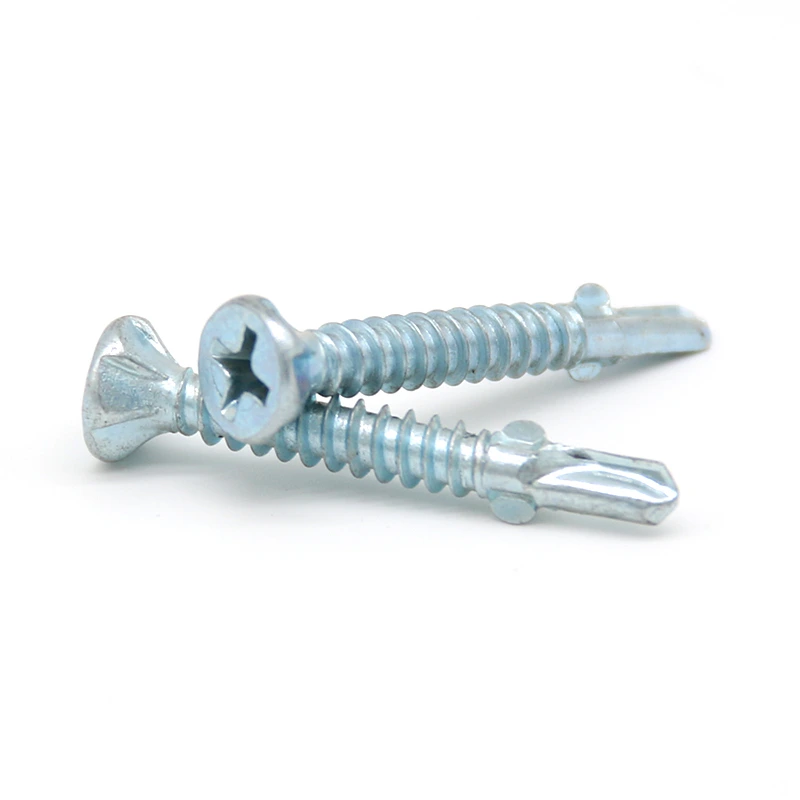
| Fastener type and joint design |
Match the fastener to the materials being joined, the hole condition, and whether the joint needs drilling, tapping, clamping, or anchoring. |
A self-drilling screw, machine screw, bolt, nut, washer, or anchor solves a different fastening problem. The wrong type can strip threads, loosen early, or slow installation. |
What materials and thicknesses will the fastener join, and is the hole pre-drilled or made during installation? |
| Thread form and size compatibility |
Confirm diameter, length, thread pitch, head style, and drive type against the mating part or installation tool. |
Small differences in thread pitch or length can prevent proper engagement or damage the base material. Head and drive choice also affects torque transfer and access in tight spaces. |
Can you provide the drawing, sample, or standard number that defines the required size and thread? |
| Material and surface treatment |
Ask what base material and coating or treatment are suitable for the working environment, such as indoor assembly, outdoor exposure, or contact with treated timber or sheet metal. |
Material and finish affect corrosion resistance, appearance, friction during installation, and long-term joint reliability. |
Will the fastener be exposed to moisture, chemicals, heat, or dissimilar metals after installation? |
| Applicable standard or custom requirement |
Verify whether the fastener must follow a national, DIN, ISO, ASTM, GB, or project-specific standard, or whether a non-standard part is acceptable. |
Standards define dimensions, tolerances, mechanical properties, and inspection expectations. Custom parts may fit a special application but need clearer drawings and approval samples. |
Is there a required standard on the purchase order, or should the supplier quote according to your drawing? |
| Installation and inspection needs |
Clarify installation method, tool type, torque control, washer use, and any inspection documents needed with the shipment. |
Fasteners can fail from poor installation even when the part is correct. Inspection requirements also affect what the buyer must confirm before production or delivery. |
Do you need samples, material confirmation, coating details, or basic inspection records before placing the order? |