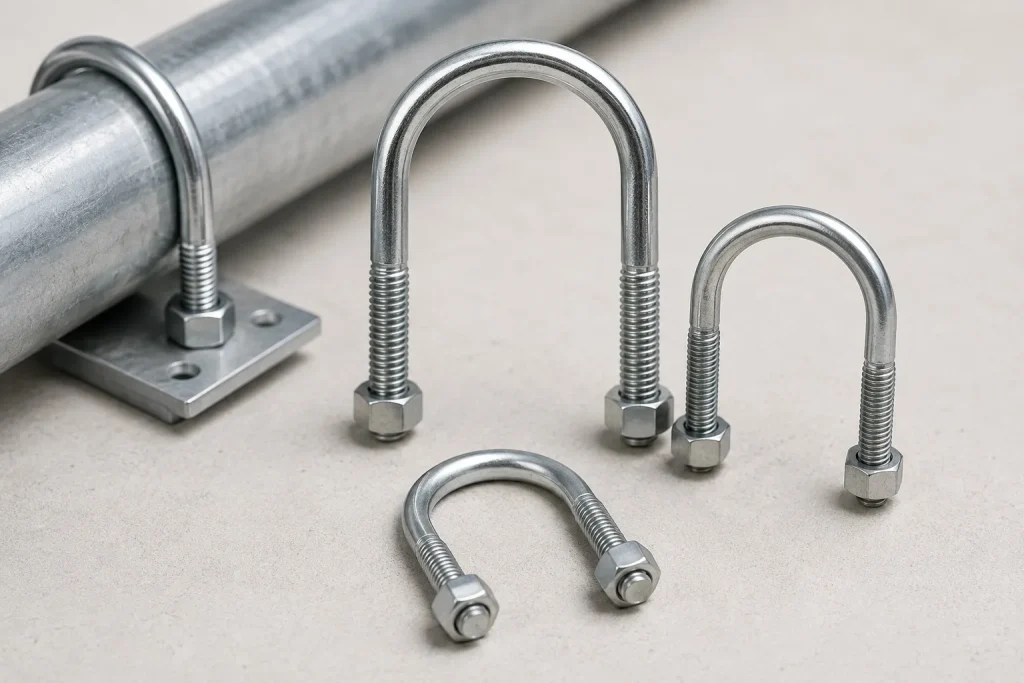
The important distinction is between a fastener that locks by friction and a fastener arrangement that locks by compression between parts. A jam nut or thin nut can help hold position when tightened against a standard nut or against a component face, but it still needs correct installation and enough thread engagement. A prevailing-torque lock nut resists rotation through its own thread interference, which can be useful where a second nut will not fit.
This matters because a low-profile part does not automatically make a reliable locking joint. If the assembly sees vibration, shock loading, thermal cycling, or repeated maintenance, ask how the locking method behaves after installation, removal, and re-tightening.
Start with the space problem. If the joint has limited height, a thin hex nut or jam nut may solve the packaging issue, but it may offer less thread engagement than a full-height nut. Confirm the bolt or stud size, usable thread length, and whether the nut must sit flush, be hidden inside a recess, or remain accessible for a wrench.
Match the locking method to the application. For adjustable linkages, brackets, and light-duty positioning, a jam-nut arrangement can be practical. For assemblies exposed to vibration or repeated movement, ask whether a prevailing-torque nut, mechanical locking feature, washer system, or thread-locking compound is more suitable. Each option changes serviceability, installation feel, and replacement practice.
A common mistake is treating “thin” and “locking” as the same requirement. A thin nut saves space; it does not guarantee vibration resistance by itself. Another mistake is selecting a locking fastener without checking mating material, coating compatibility, temperature exposure, and whether the joint needs to be removed without damaging threads.
For an inquiry to Hebei Wotu Fastener Manufacturing Co., Ltd., prepare the thread size and pitch, nut style or locking approach you are considering, material and finish requirements, and the installation environment. If you already have a drawing, sample, or assembly photo, include it so the response can focus on fit and function rather than assumptions.