

Pneumatic Rivet Gun Selection | Hebei Wotu Fastener Manufacturing Co., Ltd.
Pneumatic Rivet Gun Selection for Riveting Work
A pneumatic rivet gun is usually chosen for repeated riveting where hand tools slow the operator down and battery tools may not suit the duty cycle. The main decision is not just tool size; it is whether the gun matches the rivet material, rivet diameter range, access space and production pace.
For a fastening job, the tool and the rivet should be considered together. A well-matched air riveter helps form consistent joints, reduces operator fatigue and lowers the risk of under-set or damaged rivets.
What to Check Before Buying an Air Riveter
The practical difference is between light-duty air riveters for occasional assembly and industrial pneumatic rivet guns for frequent, repeated pulls. A lighter tool may be easier to handle on thin sheet or repair work, while a more robust tool is better suited to production benches, metal fabrication and applications using harder rivet materials.
Air supply also matters. A tool that looks suitable on paper can perform poorly if the compressor, hose and fittings cannot provide stable pressure and airflow. Before choosing a gun, confirm the rivet type and size first, then check the air system and operator access around the joint.
Start with the rivet, not the tool. Confirm whether the job uses blind rivets, structural rivets or another fastening style, then identify the rivet body material and mandrel material. Aluminium rivets place different demands on the tool than steel or stainless steel rivets, and using an underspecified gun can leave inconsistent clamp-up.
Look closely at access. A standard nosepiece may work on open panels but become awkward near flanges, corners or recessed holes. If the work involves narrow spaces, ask about available nosepieces, jaw assemblies and whether the tool body can be positioned comfortably without tilting the rivet during setting.
Balance pulling capacity with operator comfort. A heavier tool may handle demanding rivets, but it can slow repetitive bench work if the operator must hold it all day. For production use, grip shape, trigger feel, spent mandrel collection and ease of jaw maintenance can matter as much as headline power.
A common mistake is treating the pneumatic rivet gun as a separate purchase from the fastener. Send the rivet size, material, joint stack, hole condition and expected usage pattern with your inquiry. If you are discussing fasteners with Hebei Wotu Fastener Manufacturing Co., Ltd., ask which rivet specifications should be matched with your intended air riveter before confirming the fastening package.
| Criteria | Importance | Description | Example Options |
|---|---|---|---|
| Rivet compatibility | Essential because an air riveter is only suitable if its nose assembly and pulling capability match the fastener. | Check the rivet style, diameter range, body material, mandrel material and joint thickness before comparing tool bodies. | A tool selected for common aluminium blind rivets may not be the right choice for larger or harder steel rivets. |
| Pneumatic versus battery or manual operation | Important for deciding how the tool fits the work area and expected production pace. | Pneumatic tools suit workstations with a dependable compressed-air supply; battery tools improve mobility, while manual tools can suit occasional low-volume use. | A fixed assembly bench may favour pneumatic operation, while field repair across several locations may favour a cordless alternative. |
| Air supply and connection | Critical because insufficient or unstable airflow can reduce setting consistency even when the gun appears correctly matched. | Confirm the required air conditions, hose and fitting arrangement, compressor suitability and the distance between the tool and air source. | A long, restrictive hose or shared air line may affect a repetitive riveting station more than a short occasional repair task. |
| Access and operator handling | Important where joints are recessed, close to flanges or repeated throughout a shift. | Compare nosepiece reach, body shape, trigger operation, tool weight and the space needed to position the gun squarely on the rivet. | A compact nose arrangement may be easier to position inside a narrow enclosure than a larger standard configuration. |
| Wear parts and serviceability | More important as riveting frequency increases because worn jaws or nosepieces can interrupt work and affect grip. | Confirm the availability of replacement jaws and nosepieces, access for cleaning or inspection, and the recommended maintenance process. | A production user may value readily replaceable jaw assemblies more than an occasional user who operates the tool only a few times per month. |
Product Selection
Related Options
For assembly lines, vehicle body repair, sheet metal enclosures or general fabrication, the priority is reliable rivet setting without slowing the operator. Match the pneumatic rivet gun to the rivets used most often, then check whether special access, harder materials or high repetition change the tool requirement.







Blog Articles / Reviews
What Is a Fastener? Types, Functions and Industrial Uses
A fastener is a hardware component that mechanically joins or secures parts. Common examples include screws, bolts, nuts and rivets; washers are supporting components used in many fastening assemblies. Some connections can be dismantled by removing threaded fasteners, while others, such as riveted joints, normally require the fastener to be destroyed during removal. In industrial […]

Choosing the Right Material for Self-Drilling Screws and Its Maintenance Requirements
Self-drilling screws are fundamental mechanical components with high demand. They are typically used in bolts, screws, rivets, etc., for safety or in harsh environments or other hazardous conditions where temperature effects are not a concern. Common materials for self-drilling screws include carbon steel, low-alloy steel, and non-ferrous metals. However, in specific applications, fastener materials need […]

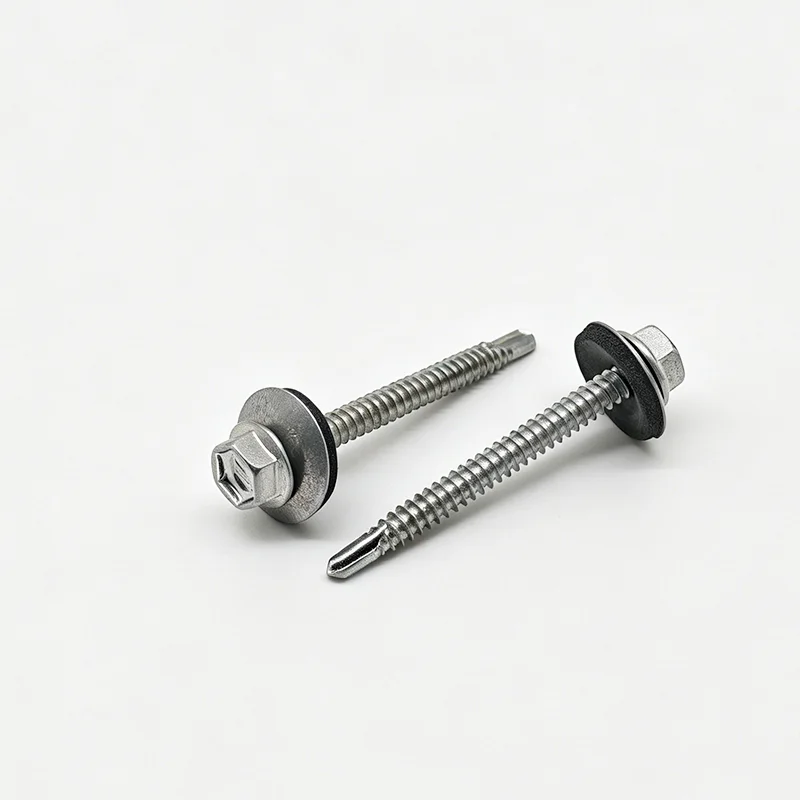
The Concept of Hexagonal Self-Drilling Screws and High-Pressure Standard Parts
Hexagonal self-drilling screws, manufactured by Hebei Wotu Fastener Manufacturing Co., Ltd., operate under a modern enterprise system and strictly manage according to the ISO9001:2015 quality system. The company uses “Wotu” as its registered trademark. The term “standard parts” in China is a shorthand for “standard fasteners,” a narrow definition. High- and medium-pressure standard parts refer […]
Frequently Asked Questions
Is an air riveter suitable for occasional repair work as well as production assembly?
Yes, provided the tool matches the rivet type, size and material used in the repair. For occasional work, a lighter pneumatic model may be easier to handle, while repeated production usually justifies closer attention to operator comfort, air stability and maintenance access.
When might a battery or hand riveter be a better choice?
A battery riveter can be more practical where compressed air is unavailable or the operator must move around a large work area. A manual tool may suit infrequent, low-volume jobs, but it generally requires more operator effort and may be slower for repeated fastening.
Does a higher air-pressure setting automatically make the tool perform better?
No. The gun must operate within its intended air range, and performance also depends on airflow, hose and fitting condition, rivet compatibility and jaw condition. Excessive pressure does not correct a tool that is unsuitable for the rivet or supplied by an unstable air system.
What should I send with a purchasing enquiry?
Provide the rivet type, diameter range, body and mandrel materials, joint stack or material thickness, expected usage frequency and any restricted-access areas. Photos or drawings of the joint can help clarify nosepiece access and tool positioning requirements.
Which maintenance items should be confirmed before ordering?
Ask about replacement jaws, nosepieces and other wear parts, along with the recommended maintenance routine and how spent mandrels are handled. These details affect downtime and operating cost, especially in repetitive assembly.
Leave Your Message
Please share the rivet type and size, rivet material, and how the tool will be used, such as repair work, bench assembly or continuous production. Photos or drawings of the joint area can also help confirm access requirements.