Pop Rivet Gun Selection | Hebei Wotu Fastener Manufacturing Co., Ltd.

Pop rivet gun selection for blind rivet installation

A pop rivet gun sets blind rivets from one side of a joint, which makes it useful for sheet metal, enclosures, ducts, vehicle panels and light fabricated assemblies where the back of the workpiece is hard to reach.

The main decision is not only manual, lever, pneumatic or battery operation. The rivet material, mandrel size, grip range, access around the hole and daily volume all affect whether the tool gives a tight joint without damaging the workpiece or tiring the operator.

Related Products

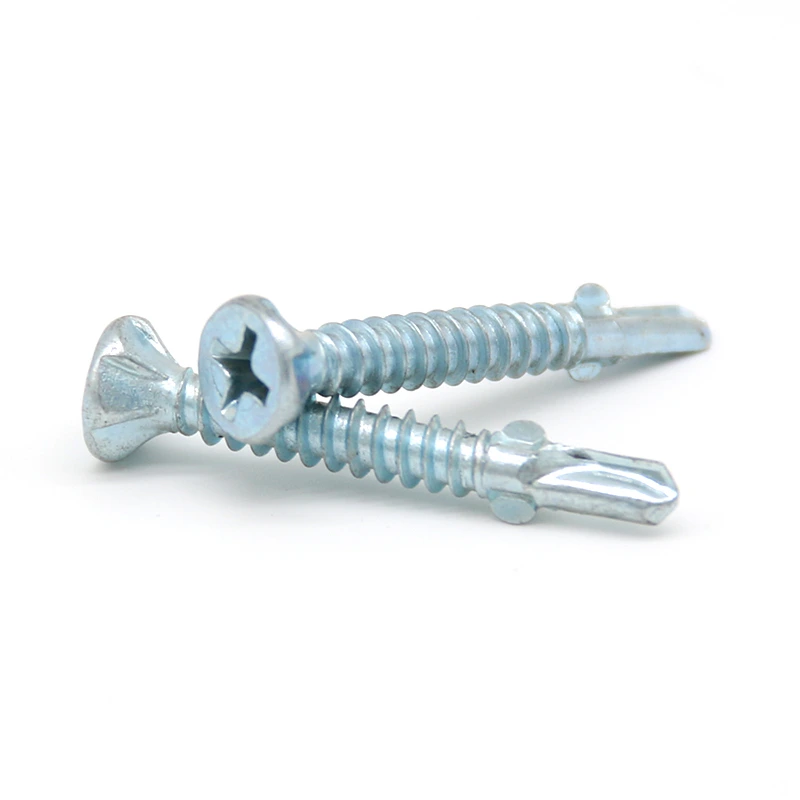
Black Phosphated Winged Countersunk Head Self-Drilling Screw

Black Phosphated Winged Countersunk Head Self-Drilling Screw

Brand: Hengzuan Surface: high temperature black phosphated anti-rust treatment, blue zinc, color zinc plated coating can be replaced as needed Specifications: in stock ST3.5/ST4.2/ST4.8 common specifications, rod length 16mm~50mm, complete, supports nonstandard size customization, suitable for drilling steel sheets 2~5mm Packaging: 25kg cartons, whole wooden pallets, support neutral packaging, private-label customization

Read More

Compare pop rivet guns by rivet size, access and workload

Pop rivet gun selection

Selection should focus on rivet compatibility, pulling force, nosepiece options, access to the work area, operator effort and maintenance needs. The right pop rivet gun is the one that sets the chosen blind rivet cleanly in the actual joint, not simply the largest or most powerful tool available.

Criterion What To Check Why It Matters Buyer Tip
Rivet size and material compatibility Confirm the gun accepts the rivet diameters and materials used in your assembly, such as aluminum, steel, or stainless steel blind rivets. A tool that is comfortable with aluminum rivets may require more force or wear faster with harder rivets. Ask which rivet sizes and materials the gun is intended to set regularly, not just occasionally.
Manual, pneumatic, or battery operation Match the power type to the work volume, site access, and operator movement needed on the job. Manual tools suit low-volume repair work, while pneumatic or battery models can reduce fatigue in repetitive production. Tell the supplier how many rivets you expect to set per shift and whether compressed air is available.
Nosepiece access and working space Compare the nose length, head shape, and available nosepieces against the joints you need to reach. A strong tool is still unsuitable if it cannot sit squarely on the rivet in corners, channels, or narrow flanges. Share a photo or drawing of the joint area and ask which nosepiece arrangement fits it.
Mandrel collection and disposal Check whether spent mandrels fall free, stay in the nose, or collect in a rear container. Loose mandrels can slow production, scratch finished parts, or create housekeeping issues at the workbench. Ask how the tool handles broken mandrels and how often the collector needs emptying during normal use.
Maintenance parts and wear items Identify replaceable jaws, nosepieces, springs, seals, and any tools needed for cleaning or adjustment. Rivet guns rely on gripping parts that wear, especially with harder mandrels or high cycle counts. Ask which spare parts should be ordered with the gun for your expected rivet material and usage level.

Key checks before choosing a pop rivet gun

The practical difference between pop rivet guns is how much pulling force they deliver and how repeatably they set the rivet. A hand tool can suit repair work and low-volume assembly, while a lever, pneumatic or cordless tool is usually easier for larger rivets, harder rivet materials or repeated production work.

Tool nosepieces also matter. A gun must match the rivet mandrel diameter, and the nose shape must fit the working area. Tight corners, recessed holes and curved panels may need a different nosepiece or a more compact head, even when the basic rivet size looks correct.

Start with the rivet, not the tool. Confirm the rivet body diameter, mandrel diameter, material and grip range for the joint stack-up. Aluminium rivets are easier to set than steel or stainless rivets, so a gun that feels fine on one job may struggle on another.

Match the tool style to the work pattern. A compact hand riveter is simple and portable for maintenance work. A long-handle or lever riveter reduces effort for larger rivets. Pneumatic and battery riveters help when operators set many rivets per shift, but they need attention to air supply, charging, nosepiece changes and maintenance.

A common mistake is choosing only by the largest rivet size printed on the tool description. Check access to the joint, clearance behind the tool, spent mandrel collection and how easily the nosepiece can be changed. Poor access can slow the job more than the setting force itself.

For an inquiry, provide the rivet size and material, the materials being joined, the approximate joint thickness, the working environment and the expected setting volume. If you are asking Hebei Wotu Fastener Manufacturing Co., Ltd. for guidance, also confirm whether you need the rivets, the gun, or both matched as a system.


Criteria Importance Description Example Options
Rivet and mandrel compatibility Critical because an otherwise suitable tool may not set the selected rivet. Check body diameter, mandrel diameter, rivet material and grip range together. Steel and stainless rivets generally demand more setting force than aluminium rivets. A tool selected for aluminium rivets should not be assumed to handle a stainless rivet of the same nominal diameter.
Tool operating method Important for operator effort, portability and access to power or air. Manual tools are simple and portable; lever designs reduce hand effort; pneumatic and cordless models can suit repeated work but require an air supply, charging or additional maintenance. A maintenance kit used at changing locations may favour manual operation, while a workstation with repeated joints may justify powered operation.
Access and nosepiece geometry Critical when holes are recessed, close to an edge or located on curved or crowded assemblies. Compare the head shape, nosepiece length and clearance around the rivet. A tool with adequate pulling force may still be unusable if its head cannot reach or align with the hole. A compact head may be more practical than a larger body for a rivet installed inside a narrow enclosure.
Workload and operator effort Important for repeated installation, fatigue control and consistent joint assembly. Consider the number of rivets per shift or project, the rivet materials and how often nosepieces or spent mandrels must be handled. Higher volume can make powered operation more practical than repeated hand squeezing. Occasional panel repair and continuous assembly work may require different tool formats even when they use the same rivet family.
Permanent rivet versus threaded insert Critical because the two methods serve different service and maintenance needs. A blind rivet creates a permanent fastening point. A rivet nut creates internal threads for a removable screw, so the required tool and insert must match the intended joint. Use a blind rivet for a permanent panel connection; consider a rivet nut when the panel may need to be removed during servicing.

Blog Articles / Reviews

What Is a Fastener? Types, Functions and Industrial Uses

What Is a Fastener? Types, Functions and Industrial Uses

A fastener is a hardware component that mechanically joins or secures parts. Common examples include screws, bolts, nuts and rivets; washers are supporting components used in many fastening assemblies. Some connections can be dismantled by removing threaded fasteners, while others, such as riveted joints, normally require the fastener to be destroyed during removal. In industrial […]

Choosing the Right Material for Self-Drilling Screws and Its Maintenance Requirements

Choosing the Right Material for Self-Drilling Screws and Its Maintenance Requirements

Self-drilling screws are fundamental mechanical components with high demand. They are typically used in bolts, screws, rivets, etc., for safety or in harsh environments or other hazardous conditions where temperature effects are not a concern. Common materials for self-drilling screws include carbon steel, low-alloy steel, and non-ferrous metals. However, in specific applications, fastener materials need […]

The Concept of Hexagonal Self-Drilling Screws and High-Pressure Standard Parts

The Concept of Hexagonal Self-Drilling Screws and High-Pressure Standard Parts

Hexagonal self-drilling screws, manufactured by Hebei Wotu Fastener Manufacturing Co., Ltd., operate under a modern enterprise system and strictly manage according to the ISO9001:2015 quality system. The company uses “Wotu” as its registered trademark. The term “standard parts” in China is a shorthand for “standard fasteners,” a narrow definition. High- and medium-pressure standard parts refer […]

Oxidation Treatment Specifications for Self-Drilling Screw Fasteners

Oxidation Treatment Specifications for Self-Drilling Screw Fasteners

The surface treatment of self-drilling screws requires specific procedures. What manufacturing processes are generally used for surface treatment? Hebei Wotu Fastener Manufacturing Co., Ltd. will explain oxidation treatment below. The surface treatment of self-drilling screws requires specific procedures. What manufacturing processes are generally used for surface treatment? Hebei Wotu Fastener Manufacturing Co., Ltd. will explain […]

Frequently Asked Questions

Can a blind-rivet tool be used for every sheet-metal joint?

It suits joints that can be reached from one side, including many panels, enclosures and light fabricated assemblies. It is not automatically suitable for heavily loaded joints; rivet diameter, material, grip range, hole quality and the strength required from the connection still need to be checked.

When is a manual tool preferable to a pneumatic or cordless model?

A manual riveter is often practical for occasional repairs, field work and locations without compressed air or convenient charging. Pneumatic and cordless models can reduce hand effort during repeated installation, but they add equipment, charging or maintenance considerations.

Does the largest rivet size listed guarantee compatibility?

No. The tool must also accept the rivet's mandrel diameter and suit its material and grip range. Nosepiece fit, access around the joint and the force needed for steel or stainless rivets can be just as important as the stated maximum size.

Can one tool cover several rivet diameters?

Some tools accommodate multiple diameters through interchangeable nosepieces, but the usable range depends on the tool design and the rivets being installed. Confirm the supplied or available nosepieces, mandrel sizes and grip requirements for every rivet type in the job.

Should I use a pop rivet tool if the joint needs a removable thread?

No. A standard blind-rivet tool installs a permanent rivet, while a rivet-nut tool installs a threaded insert for later screw removal. Choose the fastening method based on whether the joint must be serviced and whether the workpiece can accept the required insert.

Leave Your Message

Send the rivet diameter and material, the total thickness being joined, and the expected daily or project quantity. Also note whether you need a manual, pneumatic or cordless tool preference.