Sleeve Anchor Selection Guide | Hebei Wotu Fastener Manufacturing Co., Ltd.

Sleeve Anchors for Concrete and Masonry

A sleeve anchor is a mechanical expansion anchor used to fasten brackets, frames, rails, base plates and light-to-medium fixtures into concrete, brick or block. The main buying decision is not only diameter and length; it is whether the anchor body, sleeve, nut and washer suit the base material, fixture thickness and exposure conditions.

For a buyer, the useful question is simple: will the anchor expand reliably in the hole without cracking the material, spinning during installation or leaving too little thread for final tightening?

Related Products

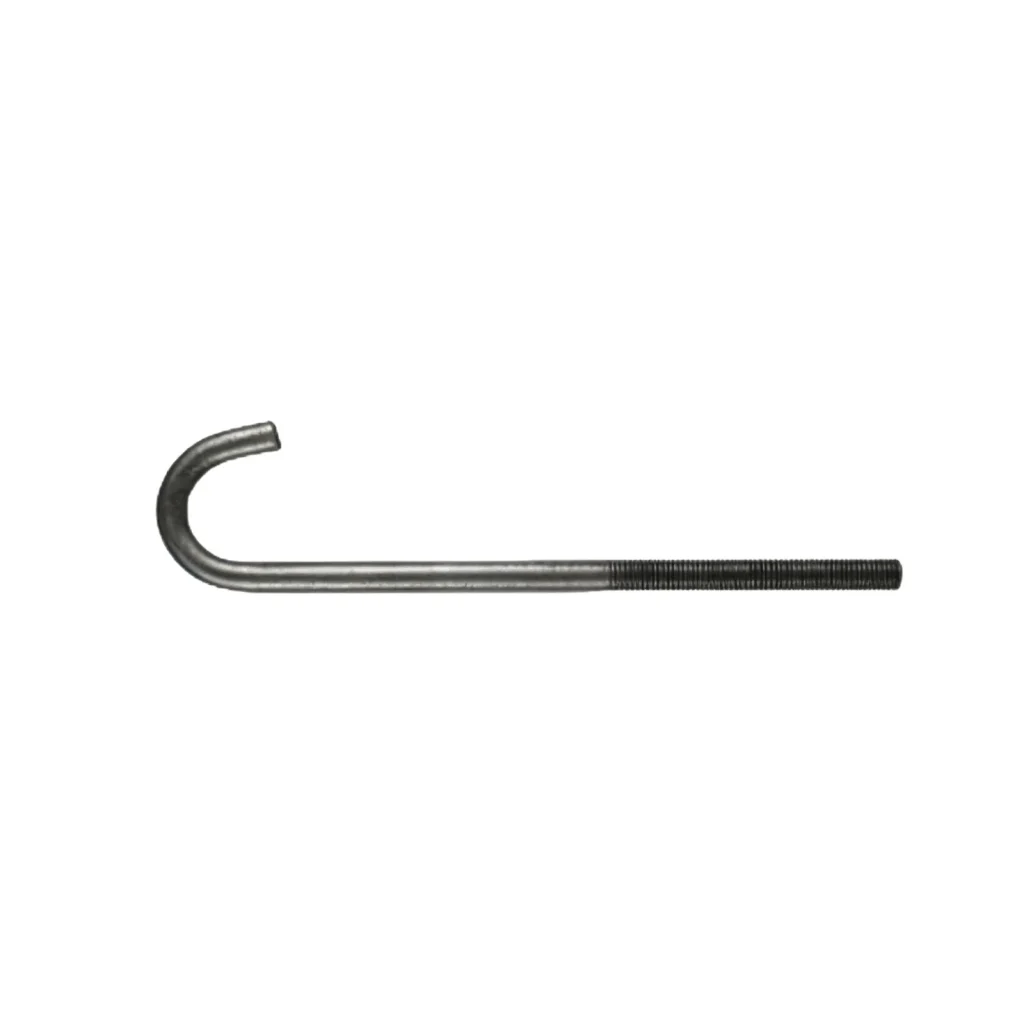
7-letter, 9-letter L-shaped anchor bolt (Chinese national standard GB/T799-1988 embedded anchor screw)

7-letter, 9-letter L-shaped anchor bolt (Chinese national standard GB/T799-1988 embedded anchor screw)

Brand: Wotu Surface: Natural black oxide treatment, customized hot-dip galvanized, zinc plated as required Specifications: Follow Chinese national standard GB/T799-1988, in stock M12-M48, total length 120mm~1500mm, nonstandard customized diameter, bending length, total screw length available Matching: Nuts, flat washers and spring washers of the same specification can be supplied in complete sets. Packaging: Bundling and packaging, using wooden pallets and film-wrapped export packaging in large quantities

Read More

Sleeve Anchor Selection Points for Real Installations

Selection criteria

Useful sleeve anchor selection compares anchor type, diameter, total length, thread style, head or nut form, finish, base material and fixture thickness. The right choice depends on how the anchor will be installed and loaded, not only on the visible fastener size.

Criterion What To Check Why It Matters Buyer Tip
Base material and load direction Confirm whether the anchor will be installed in concrete, solid masonry, or another suitable base, and identify tension, shear, or combined loads. Sleeve anchors expand against the base material; weak, hollow, cracked, or unsuitable substrates can change holding performance. Ask: Is this sleeve anchor approved for the exact base material and load case shown in our application?
Anchor diameter and effective embedment Compare the required load, fixture thickness, hole depth, and available embedment with the supplier’s technical data. A short or undersized anchor may not develop the required expansion, while excess length may interfere with the substrate or installation. Provide the fixture thickness and required embedment, then ask which anchor length and diameter fit without reducing engagement.
Expansion sleeve and fastening arrangement Review the sleeve, stud or bolt, nut, and washer arrangement, including clearance through the fixture and the specified installation method. The assembly must expand correctly and clamp the fixture evenly; mismatched components can cause poor seating or installation problems. Ask for an assembly drawing and the required hole, washer, and tightening details for the selected configuration.
Steel grade and corrosion protection Compare the anchor material or coating with the indoor, outdoor, damp, chemical, or coastal exposure at the installation site. Corrosion can reduce the useful service life and may make later inspection or removal difficult. Describe the exposure conditions and ask which material or finish is recommended, along with any limitations.
Edge distance, spacing, and installation sequence Check the proposed anchor layout against the supplier’s guidance for edge distance, spacing, drilling, cleaning, and tightening. Anchors placed too close to edges or too near one another can affect the surrounding substrate and reduce reliable installation. Send the fixing layout and ask the supplier to confirm the drilling and installation sequence before site work begins.

What to Check Before Ordering Sleeve Anchors

The key distinction is between solid concrete and masonry with voids or softer units. In solid concrete, the sleeve can expand against a dense wall and develop a predictable grip. In brick or block, the anchor may need more careful selection because the sleeve can expand into weaker material or an internal cavity.

That difference affects embedment, hole preparation, edge distance and the load type. A non-structural pipe clip, a handrail bracket and a machine guard do not place the same demand on the anchor, even if the visible nut size looks similar. Share the base material and fixture use before confirming size.

Start with the base material. Concrete usually gives the most consistent hold, while brick and block vary by density, web thickness and cavity layout. If the masonry is old, hollow or brittle, confirm that a sleeve anchor is the right anchor style rather than assuming one product fits every wall.

Match anchor length to fixture thickness and required embedment. A common ordering mistake is choosing an anchor by overall length alone, then discovering on site that the fixture, washer and nut leave too little expansion depth. Check the hole depth, fixture thickness and remaining thread engagement together.

Consider the environment and finish. Indoor dry work may not need the same corrosion resistance as outdoor frames, damp plant rooms or coastal exposure. Confirm the material or surface treatment needed for the sleeve, bolt, nut and washer as a set, because mixed components can behave differently over time.

Before placing an inquiry with Hebei Wotu Fastener Manufacturing Co., Ltd., prepare the anchor diameter or required hole size, total length, base material, fixture thickness and installation environment. If you have a drawing, photo or existing sample, include it so the anchor style and dimensions can be checked before quotation.

Criteria Importance Description Example Options
Base material Usually the first decision factor The same anchor can behave differently in dense concrete, solid brick, hollow block or aged masonry. Expansion anchors need enough sound material around the sleeve to grip without breaking the substrate. A bracket fixed to poured concrete may suit a standard expansion fixing, while a hollow block wall may require extra review before choosing the anchor style.
Anchor length and fixture thickness Critical for proper expansion and thread engagement The anchor must pass through the fixture and still leave enough embedment depth for the sleeve to expand correctly. Ordering by total length alone can cause poor tightening or insufficient hold. A thick base plate may need a longer anchor than a thin clip, even if both use the same hole diameter.
Load direction and application Important for choosing the right fixing method Static light fixtures, guard brackets, rails and vibrating equipment place different demands on an anchor. Pull-out, shear and vibration should be considered before confirming the size or type. A pipe support and a handrail bracket may look similar, but the handrail can see repeated side loading during use.
Environment and finish Important where corrosion could reduce service life Indoor dry locations, damp rooms and outdoor exposure may require different material or surface treatment choices. The bolt, sleeve, nut and washer should be considered together rather than mixed without checking compatibility. A fastener used inside a dry warehouse may not need the same finish as one used on an exterior frame.
Installation tolerance Often determines whether the anchor works on site Hole diameter, drilling depth, dust removal, edge distance and tightening method affect performance. Even a suitable anchor can fail to grip if the hole is oversized or the base material crumbles. An anchor that tightens well in a clean drilled hole may spin if installed in a worn or re-drilled hole.

Blog Articles / Reviews

Anchor Bolts: 7 Ordering Errors That Cause Site Rework

Anchor Bolts: 7 Ordering Errors That Cause Site Rework

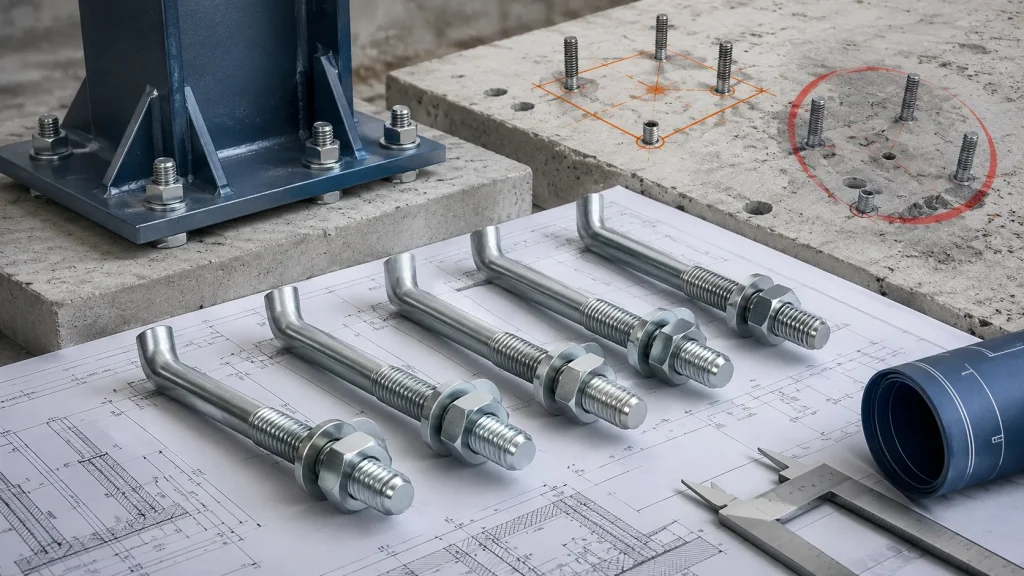
ost anchor bolt ordering errors come from incomplete drawings, unclear dimensions, unsuitable material or coating choices, undefined tolerances, and mismatched nuts or washers. These mistakes affect steel fabricators, EPC contractors, equipment installers, importers, and distributors because anchor bolts are usually embedded before the connected structure arrives on site. Once concrete has cured, even a small […]

Applications of Anchor Bolts

Applications of Anchor Bolts

Fixed anchor bolts, also known as short anchor bolts, are cast in with the foundation and used to secure equipment that does not experience strong vibration or impact. 1. Fixed anchor bolts, also known as short anchor bolts, are cast in with the foundation and used to secure equipment that does not experience strong vibration […]

Frequently Asked Questions

Can this anchor be used in both concrete and brick?

A sleeve anchor is commonly used in concrete and some masonry, but the base material changes the result. Solid concrete usually gives a more consistent expansion surface, while brick or block can vary in strength, cavity position and cracking risk.

When would a different anchor type be a better choice?

If the base material is hollow, weak, cracked or close to an edge, another fixing method may be more suitable. Wedge anchors, drop-in anchors, chemical anchors or masonry-specific fixings can be better in certain cases, depending on load, embedment and installation conditions.

Is a larger diameter always safer?

Not always. A larger anchor needs a larger hole and more expansion force, which can damage brittle masonry or leave too little edge distance. The safer choice is the size that matches the load, fixture thickness, embedment depth and base material.

What information should be sent before asking for a quotation?

Provide the anchor diameter or hole size, total length, fixture thickness, base material and whether the installation is indoor, outdoor or exposed to moisture. A drawing, photo or sample is useful when replacing an existing fastener or fixing into brick, block or old concrete.

Why can anchors spin in the hole during tightening?

Spinning often comes from an oversized or dusty hole, insufficient embedment, weak substrate or a mismatch between anchor size and fixture. Correct drilling, hole cleaning and suitable anchor length are as important as the fastener itself.

Leave Your Message

Send the anchor diameter or hole size, total length, base material, fixture thickness and exposure condition. If the anchor is for brick, block or an existing repair job, include a photo or drawing so the installation conditions can be reviewed.