Stud Anchor Selection Guide | Hebei Wotu Fastener Manufacturing Co., Ltd.

Stud Anchors for Concrete Fastening

A stud anchor is usually chosen when a fixture must be fastened to cured concrete and the installer needs a threaded stud left exposed for a nut and washer. The main decision is not only diameter or length; it is whether the anchor style, embedment, material and installation method suit the load, base material and site conditions.

For a buyer, the useful starting point is the application: equipment base plates, railings, brackets, frames or other fixtures that need a mechanical hold in concrete. That application affects anchor size, finish, thread length, washer and nut requirements, and the information a supplier needs before quoting.

Related Products

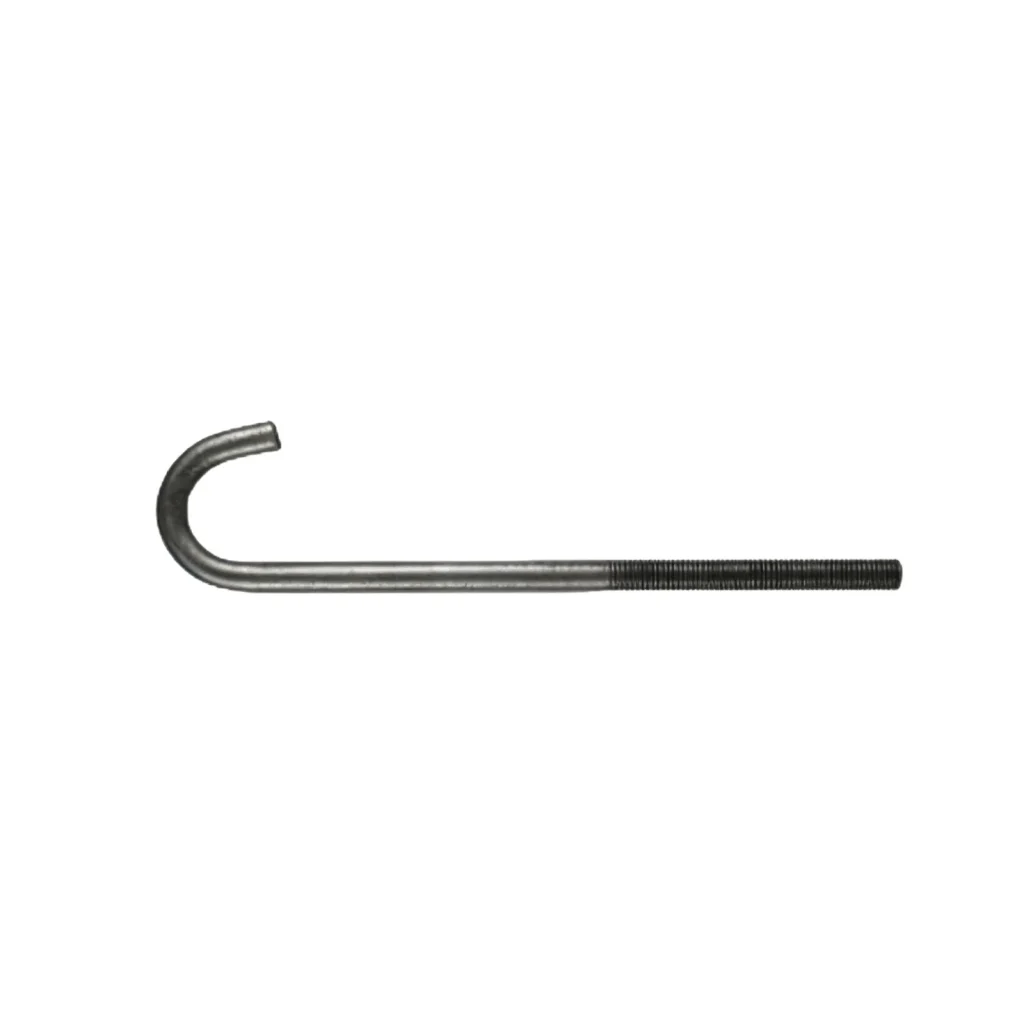
7-letter, 9-letter L-shaped anchor bolt (Chinese national standard GB/T799-1988 embedded anchor screw)

7-letter, 9-letter L-shaped anchor bolt (Chinese national standard GB/T799-1988 embedded anchor screw)

Brand: Wotu Surface: Natural black oxide treatment, customized hot-dip galvanized, zinc plated as required Specifications: Follow Chinese national standard GB/T799-1988, in stock M12-M48, total length 120mm~1500mm, nonstandard customized diameter, bending length, total screw length available Matching: Nuts, flat washers and spring washers of the same specification can be supplied in complete sets. Packaging: Bundling and packaging, using wooden pallets and film-wrapped export packaging in large quantities

Read More

Stud anchor details that affect fit and installation

Stud anchor selection points

When comparing stud anchor options, focus on the anchor body style, thread size, total length, effective embedment, supplied nut and washer, finish, and installation requirements. These details decide whether the anchor will fit the fixture and whether the installer can set it correctly on site.

Criterion What To Check Why It Matters Buyer Tip
Base material and installation method Confirm the anchor is intended for the actual substrate, such as cracked or uncracked concrete, solid masonry, or another approved base material. A stud anchor relies on expansion or mechanical engagement. The wrong substrate can reduce holding power or cause edge breakout during tightening. Ask: What base material and concrete condition is the stud anchor approved or recommended for?
Diameter, embedment depth, and hole preparation Compare the specified anchor diameter, minimum embedment, drilled hole diameter, and cleaning steps with the job drawing or fixture detail. Small changes in hole size or embedment can change load capacity and make installation fail inspection or require rework on site. Ask: What drill bit size, embedment depth, and hole-cleaning procedure should installers follow for this anchor size?
Fixture thickness and usable thread length Check that the anchor has enough exposed thread after passing through the fixture, washer, and nut, without bottoming out or leaving too little engagement. A stud anchor that is too short may not clamp the fixture properly; one that is too long can interfere with equipment or create a safety concern. Ask: For my fixture thickness, what anchor length leaves correct nut engagement after installation?
Load direction and spacing from edges Identify whether the anchor will see tension, shear, vibration, or combined loading, then review spacing, edge distance, and group layout requirements. Stud anchors placed too close to an edge or to each other can split concrete or reduce the effective capacity of the anchor group. Ask: What minimum edge distance and anchor spacing apply for the load direction in this application?
Material, coating, and exposure conditions Match the anchor material and surface finish to the environment, such as indoor dry service, damp concrete, outdoor exposure, or corrosive surroundings. Corrosion can weaken the stud, seize the nut, or stain nearby finishes, especially where anchors are exposed after installation. Ask: Which material or coating is suitable for the installation environment and the required service life?

Choosing a stud anchor for concrete fastening

The practical difference between a stud anchor and a cast-in anchor bolt is timing. A cast-in bolt is set before concrete cures, so layout accuracy is critical. A stud anchor is installed after drilling into cured concrete, which gives more flexibility during installation but depends heavily on hole quality, correct depth and proper tightening.

This matters because a post-installed stud anchor can solve many retrofit or late-stage fastening jobs, but it should not be treated as a universal substitute. Cracked or weak concrete, edge distance, spacing, vibration, corrosion exposure and fixture thickness can all change the suitable anchor type and size.

Start with the base material and job condition. Confirm whether the anchor will go into solid concrete, hollow material, masonry or another substrate. A stud anchor is normally associated with concrete fastening; using it in unsuitable base material can lead to poor expansion, spinning during tightening or reduced holding performance.

Match the anchor to the fixture, not just the hole. Fixture thickness, required exposed thread, washer and nut clearance, and installation access all affect the length you should request. A common mistake is ordering only by overall anchor length without checking how much thread remains above the fixture after embedment.

Choose material and surface finish according to exposure. Indoor dry work may allow a different finish than outdoor, damp, chemical or coastal environments. If corrosion risk is present, ask which material or coating options are available and whether the nut and washer can be supplied in a compatible finish.

Before placing an inquiry with Hebei Wotu Fastener Manufacturing Co., Ltd., prepare the anchor diameter, length, thread requirement, material or coating preference, concrete condition and intended fixture. If drawings or a project specification are available, send them with the inquiry so the supplier can check the requested stud anchor against the actual use rather than quoting an incomplete description.

Criteria Importance Description Example Options
Anchor type High when the installation stage is already fixed Post-installed stud anchors suit cured concrete work, while cast-in bolts require placement before the concrete sets. Choosing the wrong timing can cause layout conflicts or site rework. A machine base added after the slab is poured may need a post-installed anchor rather than a cast-in bolt.
Base material condition Critical for holding performance The anchor must match the substrate. Solid concrete, cracked concrete, weak concrete, masonry and hollow materials can require different fastening approaches. An anchor that works in solid concrete may not perform the same way in hollow block or damaged concrete.
Effective length and thread allowance Important for correct fit on site Overall length alone does not tell the installer whether enough thread will remain after embedment and fixture thickness. Washer, nut and leveling requirements also affect usable thread. A thick steel bracket may require a longer anchor than a thin mounting plate even if the drilled hole diameter is the same.
Material or surface finish Important where corrosion exposure changes service life Indoor dry use, outdoor exposure, damp areas and chemical environments can require different material or coating choices. The nut and washer should also be compatible with the anchor finish. A dry indoor support frame may have different finish requirements from an outdoor railing base.
Installation requirements High because poor installation can reduce performance Hole diameter, hole depth, cleaning, embedment and tightening method all affect the finished connection. The selected anchor should be practical for the tools and access available on site. Limited access around a frame may affect whether installers can drill straight holes and tighten the nuts properly.

Blog Articles / Reviews

Anchor Bolts: 7 Ordering Errors That Cause Site Rework

Anchor Bolts: 7 Ordering Errors That Cause Site Rework

ost anchor bolt ordering errors come from incomplete drawings, unclear dimensions, unsuitable material or coating choices, undefined tolerances, and mismatched nuts or washers. These mistakes affect steel fabricators, EPC contractors, equipment installers, importers, and distributors because anchor bolts are usually embedded before the connected structure arrives on site. Once concrete has cured, even a small […]

Applications of Anchor Bolts

Applications of Anchor Bolts

Fixed anchor bolts, also known as short anchor bolts, are cast in with the foundation and used to secure equipment that does not experience strong vibration or impact. 1. Fixed anchor bolts, also known as short anchor bolts, are cast in with the foundation and used to secure equipment that does not experience strong vibration […]

Frequently Asked Questions

Is this anchor suitable for every concrete fastening job?

No. A stud anchor is commonly used in cured concrete, but suitability depends on concrete strength, edge distance, spacing, load direction, vibration and installation access. For cracked concrete, weak base material or very close-to-edge fixing, confirm the project requirement before selecting the anchor type.

How is it different from a cast-in anchor bolt?

A cast-in anchor bolt is positioned before the concrete cures, so it is usually planned into the structure. A stud anchor is installed after drilling into cured concrete, which is useful for retrofit work or fixtures added later, but it depends on correct hole drilling, cleaning, embedment and tightening.

What is a common ordering mistake?

A frequent mistake is ordering by overall length only. The buyer also needs to account for embedment depth, fixture thickness, washer and nut height, and the amount of usable thread required above the fixture.

Does a larger diameter always mean a better choice?

Not always. A larger anchor may need more edge distance, wider spacing and a larger drilled hole, which may not suit the fixture or concrete condition. The right size should match the design load, installation limits and project specification.

What information should be sent with an inquiry?

Send the required diameter, total length, thread requirement, fixture thickness, base material, exposure condition and preferred finish or material. If a drawing, bill of materials or project specification is available, include it so the requested anchor can be checked against the actual installation.

Leave Your Message

Send the required diameter and length, fixture thickness, concrete/base material condition, and preferred material or surface finish. If you have a drawing or project specification, include it with your inquiry.