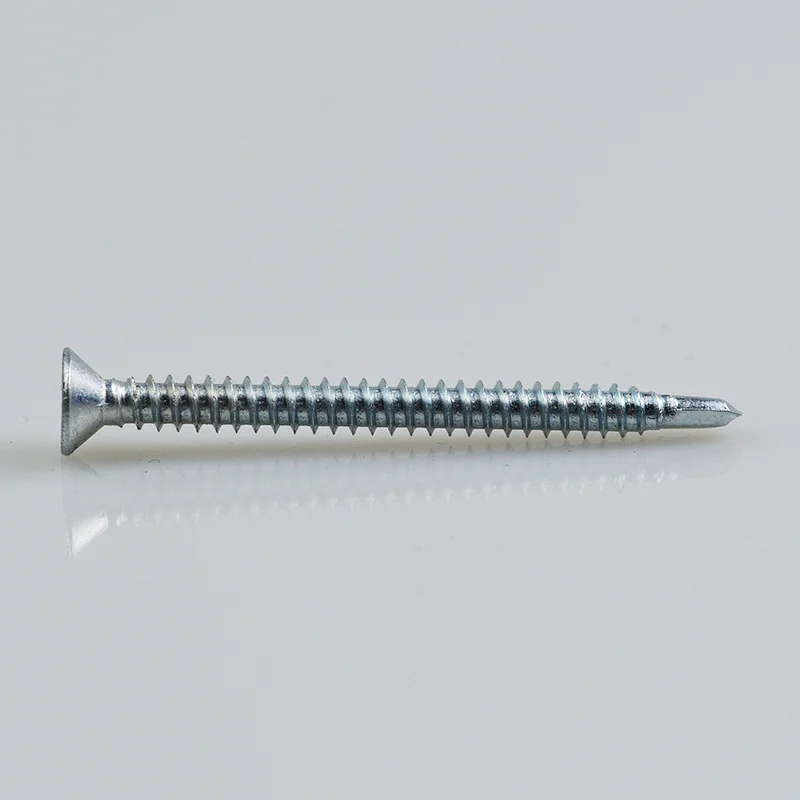
| Thread form and fit |
Confirm the thread standard, pitch, diameter, and whether the stud is fully threaded or has an unthreaded shank. |
A stud fastener must match the tapped hole, nut, or mating part. A small mismatch can cause poor engagement, stripping, or assembly delays. |
Ask: Which thread standard and pitch should the stud match on each end? |
| End style and installation method |
Compare plain ends, chamfered ends, dog points, weld studs, or studs designed for a setting tool. |
The end style affects how the stud starts, aligns, seats, and resists loosening during installation. |
Ask: Will the stud be screwed into a tapped hole, welded, anchored, or installed with a driver? |
| Material and strength requirement |
Specify the required material grade or strength class based on load, mating parts, and service environment. |
Studs used in structural, machinery, or flange connections often carry tensile and clamping loads; the wrong grade can deform or fail. |
Ask: What load, temperature, and mating material will the stud fastener work with? |
| Surface treatment and corrosion exposure |
Review whether the stud needs plain finish, zinc plating, black oxide, hot-dip galvanizing, or another coating suitable for the environment. |
Coatings change corrosion resistance and can also affect thread fit, especially on tight or precision assemblies. |
Ask: Will the stud be used indoors, outdoors, in moisture, or with chemicals? |
| Length and thread engagement |
Confirm total length, threaded length on each side, and required nut or hole engagement before ordering. |
Too little engagement weakens the joint; too much length can bottom out in a blind hole or interfere with nearby parts. |
Ask: What are the mating hole depth, nut height, and required protrusion after assembly? |