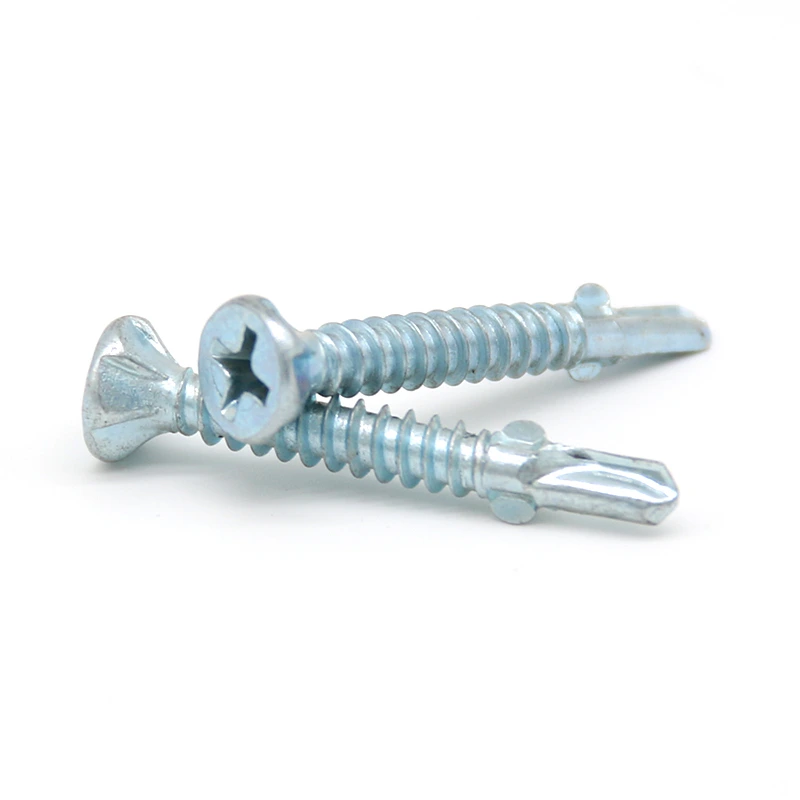
Tapered Drill Bits For Wood are selected for wood drilling applications where hole shape, screw fit, and installation workflow need to be considered together. Buyers should confirm size range, material, shank type, coating or finish, and compatibility with the intended wood product or fastening process.
For export sourcing, the best next step is to send an RFQ with application details, target quantity, destination, sample requirements, and quality check expectations. This allows the supplier to recommend suitable options instead of replying with only a general catalog.
Start with the application. Confirm whether the bits will be used for furniture, cabinetry, timber components, packaging production, repair kits, or another wood-related process. Include wood type, expected drilling depth, matching screw or fastener size, and whether the buyer needs a single specification or an assorted set.
Next, prepare the technical details for the RFQ. Ask about available diameters, lengths, taper angle, shank design, material, surface treatment, and packaging. If your team is comparing related products, also ask how these bits differ from countersink drill bits, straight wood drill bits, or combined drill and countersink tools.
For sample confirmation, define what must be checked before bulk order approval. This may include dimensional accuracy, drilling performance, finish condition, package labeling, and carton arrangement. Photos, drawings, or reference samples can make communication faster and reduce repeated clarification.
Before placing an export order, confirm inspection method, delivery schedule, document needs, and after-sales support process. A reliable supplier should be able to discuss usage questions, quality feedback handling, and replacement or claim communication terms in a clear and practical way.