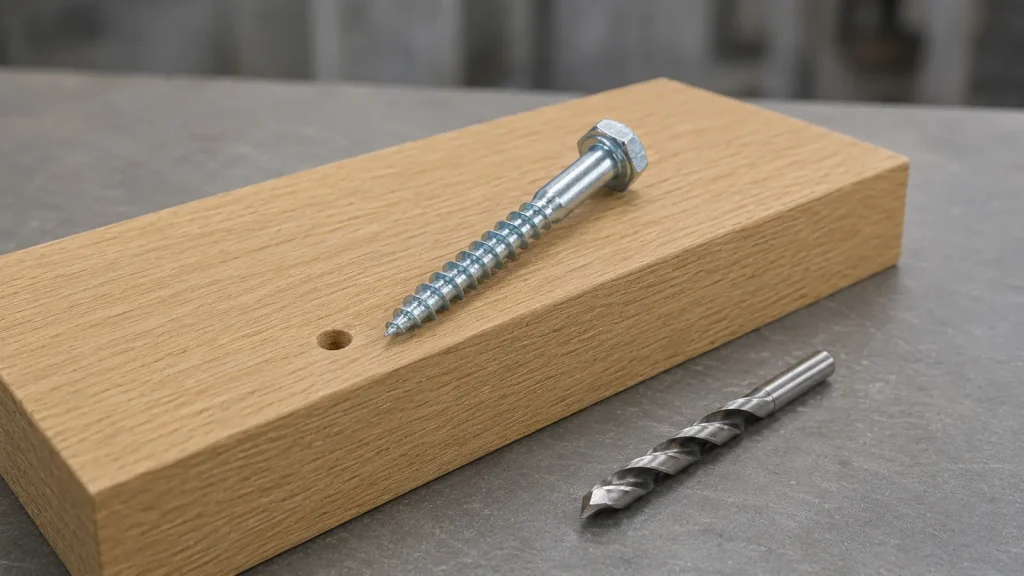
The practical difference between standard threaded rod, stud bolts and cut-to-length threaded pieces matters because they are ordered and used differently. Full-length threaded rod gives installers flexibility to cut sections on site, while a stud bolt or custom length may reduce cutting, waste and handling where the joint length is already fixed.
Material and coating choices also affect fit. Plain steel may suit controlled indoor use where the rod will be protected or painted, while zinc-plated, hot-dip galvanized or stainless options are usually considered for more exposed conditions. The right option depends on corrosion exposure, mating nuts and washers, appearance requirements and any project specification that must be followed.
Start by fixing the thread details before discussing quantity. Confirm the diameter, pitch or thread standard, total length, and whether the rod must match specific nuts, anchors, couplers or brackets. A common mistake is ordering by diameter only, then discovering that the pitch or thread standard does not match the hardware already on site.
Choose the material and finish around the service environment, not only the unit price. Indoor temporary supports, permanent structural connections, outdoor frames and humid or chemical areas can require different corrosion resistance. Coatings can also change how nuts run on the thread, so ask whether compatible nuts and washers are needed in the same inquiry.
Think about installation method and waste. Long rods give flexibility but require cutting, deburring and handling at the jobsite. Pre-cut lengths or specified stud lengths can save labor when every piece is the same, but they need more accurate drawings or measurements before production.
A useful next step is to send the application, thread standard, diameter, length requirement, material or finish preference, and expected order quantity. If the project has drawings, grade requirements, inspection needs or packaging rules, include them early so the quotation can be based on the same assumptions as the buyer’s specification.