Wedge Anchor Selection | Hebei Wotu Fastener Manufacturing Co., Ltd.

Wedge anchor selection for concrete fastening

A wedge anchor is used to fasten steel, machinery bases, brackets, rails, racking, and similar fixtures into solid concrete. The key purchase decision is not only diameter and length; the anchor must match the concrete condition, fixture thickness, hole depth, exposure environment, and installation method.

For a buyer, the main benefit is a reliable mechanical fixing that can be installed after the concrete has cured. The risk is choosing an anchor that looks correct on paper but leaves too little embedment, poor thread engagement, or the wrong finish for the jobsite environment.

Related Products

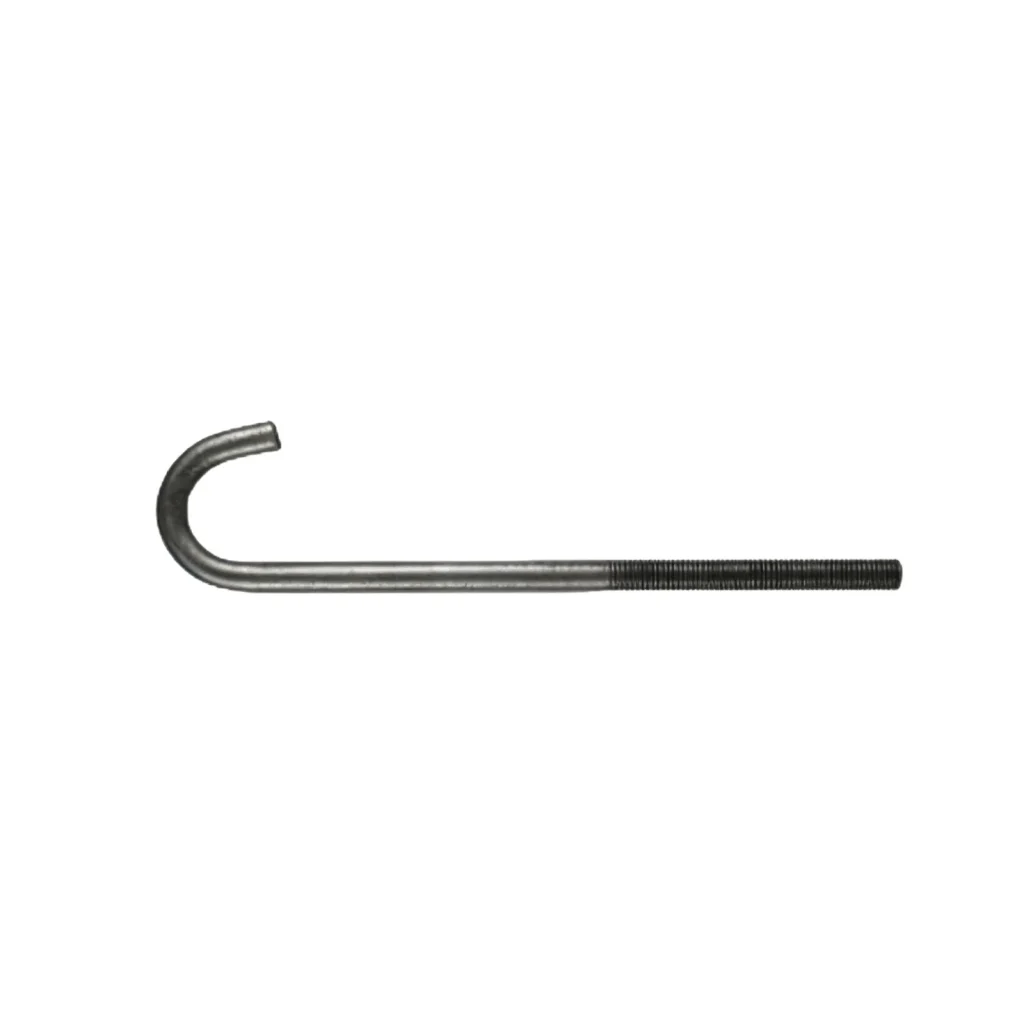
7-letter, 9-letter L-shaped anchor bolt (Chinese national standard GB/T799-1988 embedded anchor screw)

7-letter, 9-letter L-shaped anchor bolt (Chinese national standard GB/T799-1988 embedded anchor screw)

Brand: Wotu Surface: Natural black oxide treatment, customized hot-dip galvanized, zinc plated as required Specifications: Follow Chinese national standard GB/T799-1988, in stock M12-M48, total length 120mm~1500mm, nonstandard customized diameter, bending length, total screw length available Matching: Nuts, flat washers and spring washers of the same specification can be supplied in complete sets. Packaging: Bundling and packaging, using wooden pallets and film-wrapped export packaging in large quantities

Read More

Key details to confirm before selecting a wedge anchor

Wedge anchor selection notes

Relevant wedge anchor selection criteria include diameter, total length, thread length, material, coating, washer and nut style, required embedment, and the concrete application. Also confirm packaging, markings, documentation, and whether the order must follow a drawing, project specification, or approved anchor schedule.

Criterion What To Check Why It Matters Buyer Tip
Base material and concrete condition Confirm that the anchor is intended for the actual base material, such as solid concrete, and ask whether cracked concrete, lightweight concrete, brick, or block changes the recommendation. Wedge anchors rely on expansion inside a drilled hole. The holding method can be unsuitable or less predictable in weak, hollow, or damaged materials. What concrete type and condition will the wedge anchor be installed into, and is that base material approved for this anchor style?
Anchor diameter, length, and embedment Compare the fixture thickness, required embedment depth, washer and nut allowance, and any stand-off before selecting length. An anchor that is too short may not develop proper embedment; one that is too long can create installation problems or interfere with reinforcement or hidden services. What fixture thickness and embedment depth should I give you so the anchor length can be checked before ordering?
Hole size and drilling tolerance Verify the required drill bit diameter, hole depth, cleaning method, and whether the jobsite can maintain the needed hole accuracy. Wedge anchors are sensitive to hole fit. Oversized, shallow, dusty, or poorly cleaned holes can reduce grip and make tightening unreliable. Which drill bit size, minimum hole depth, and cleaning steps should installers follow for this anchor?
Material and corrosion protection Match the anchor material or coating to the environment, including dry indoor use, damp areas, exterior exposure, or contact with treated materials or dissimilar metals. Corrosion can weaken the anchor and stain surrounding surfaces. A coating that works indoors may not be suitable for exposed or aggressive conditions. Will these wedge anchors be used indoors, outdoors, or in a corrosive environment, and what finish or material do you recommend for that exposure?
Load direction and installation torque Clarify whether the anchor will carry tension, shear, vibration, or combined loads, and ask for the required tightening procedure. Wedge anchors expand as they are tightened. Incorrect torque, repeated loosening, or the wrong load assumption can affect performance after installation. What load direction should the anchor support, and what installation torque or tightening guidance should be given to the site team?

Wedge anchor sizing, installation fit, and finish choices

The useful distinction is between a wedge anchor and more general anchor bolts. A cast-in anchor bolt is positioned before concrete is poured, while a wedge anchor is drilled and installed after the concrete is in place. That makes wedge anchors practical for retrofit work, equipment placement changes, and site layouts that are not finalized before the slab or wall is poured.

Wedge anchors are normally intended for solid concrete, not soft masonry, hollow block, or weak base material. If the application involves cracked concrete, vibration, outdoor exposure, or structural loads, confirm the required approval, material grade, coating, and load data before ordering rather than treating all expansion anchors as interchangeable.

Start with the base material and the load direction. A wedge anchor expands against the wall of a drilled hole, so hole quality and concrete strength matter. Tension loads, shear loads, edge distance, spacing between anchors, and vibration can change the suitable size and anchor type. If the fixture is close to an edge or the slab is thin, ask before assuming a larger diameter solves the problem.

Check the full installed stack, not just the anchor size. The fixture thickness, washer and nut allowance, required embedment, and any leveling grout or base plate gap affect the anchor length. A common ordering mistake is selecting an anchor that reaches the hole depth but leaves too little usable thread above the fixture.

Choose the finish for the environment. Plain or zinc-plated anchors may suit many dry indoor installations, while damp, exterior, chemical, or washdown areas may need a different corrosion-resistant material or coating. The right choice depends on exposure, expected service life, and whether staining or galvanic contact with the fixture is a concern.

For an inquiry to Hebei Wotu Fastener Manufacturing Co., Ltd., prepare the anchor diameter and length if already specified, the fixture thickness, concrete application, surface environment, and any required standard or drawing. If the specification is not fixed, share the installation sketch and load condition so the discussion can focus on suitable options instead of a generic fastener quote.

Criteria Importance Description Example Options
Base material Critical for product suitability Wedge anchors rely on expansion inside a drilled hole, so solid concrete is the usual application. Weak, hollow, or brittle materials may need a different anchor type. A machine base on a cured concrete floor is a typical case; a hollow block wall would call for a different fixing assessment.
Installed length and fixture stack High impact on installation success The anchor must provide the required embedment while still leaving enough usable thread for the washer and nut after passing through the fixture. A thick steel base plate may need a longer anchor than a thin bracket even if both use the same diameter.
Environment and finish Important for service life and appearance Finish selection should match moisture, outdoor exposure, chemical contact, and compatibility with the fixed material. A dry indoor rack installation may have different finish needs from an exterior handrail base.
Load condition and spacing Important where safety or structural performance matters Tension, shear, vibration, edge distance, and anchor spacing can change the suitable diameter, embedment, or anchor type. Anchors near a concrete edge may need closer review than anchors set in the middle of a large slab.
Wedge anchor versus cast-in anchor bolt Useful for choosing the installation method A wedge anchor is installed after the concrete has cured, while a cast-in anchor bolt is positioned before the pour. The choice depends on whether the fixing points are known before construction. Retrofit equipment installation often favors drilled anchors; a new foundation with a fixed design may use cast-in bolts.

Blog Articles / Reviews

Anchor Bolts: 7 Ordering Errors That Cause Site Rework

Anchor Bolts: 7 Ordering Errors That Cause Site Rework

ost anchor bolt ordering errors come from incomplete drawings, unclear dimensions, unsuitable material or coating choices, undefined tolerances, and mismatched nuts or washers. These mistakes affect steel fabricators, EPC contractors, equipment installers, importers, and distributors because anchor bolts are usually embedded before the connected structure arrives on site. Once concrete has cured, even a small […]

Applications of Anchor Bolts

Applications of Anchor Bolts

Fixed anchor bolts, also known as short anchor bolts, are cast in with the foundation and used to secure equipment that does not experience strong vibration or impact. 1. Fixed anchor bolts, also known as short anchor bolts, are cast in with the foundation and used to secure equipment that does not experience strong vibration […]

Frequently Asked Questions

Can this anchor be used in brick or hollow block?

A wedge anchor is generally selected for solid concrete because it expands against the wall of a drilled hole. Brick, hollow block, soft masonry, or poor concrete may not provide the same holding condition, so a sleeve anchor, chemical anchor, or other fixing may be more suitable.

How do I choose the correct length?

Add the fixture thickness to the required embedment and allow enough thread above the nut for proper tightening. Buyers often order the diameter correctly but choose a length that does not account for base plates, washers, grout pads, or uneven surfaces.

Is a larger diameter always safer?

Not necessarily. A larger anchor needs a larger drilled hole and may create problems with edge distance, spacing between anchors, or thin concrete. The right choice depends on load direction, concrete condition, installation layout, and the project specification.

What is the difference between zinc plated and stainless steel for this application?

Zinc plating is commonly considered for dry indoor environments where corrosion risk is limited. Stainless steel or another corrosion-resistant option may be needed for outdoor, damp, washdown, or chemically exposed areas, depending on the service condition and project requirements.

What should be included in an inquiry?

Send the diameter, total length, fixture thickness, concrete application, required finish, quantity, and any drawing or standard that controls the order. If the size has not been fixed, include the installation sketch and load condition so the discussion can start from the real application.

Leave Your Message

Send the required diameter and length, fixture thickness, concrete application, and indoor or outdoor exposure. If available, include the drawing, load requirement, finish preference, and packaging needs.