10mm Anchor Fasteners | Hebei Wotu Fastener Manufacturing Co., Ltd.

10mm anchor fasteners for concrete and masonry fixing

A 10mm anchor fastener is usually chosen for fixing brackets, base plates, frames, supports, rails or light-to-medium equipment into concrete, masonry or similar base materials. The key decision is not only the 10mm diameter; it is the match between anchor type, base material, fixture thickness, hole condition and required holding performance.

For a purchasing inquiry, the useful starting point is the application: what is being fixed, what the substrate is, and whether the anchor must resist pull-out, shear, vibration, corrosion or repeated loading.

Related Products

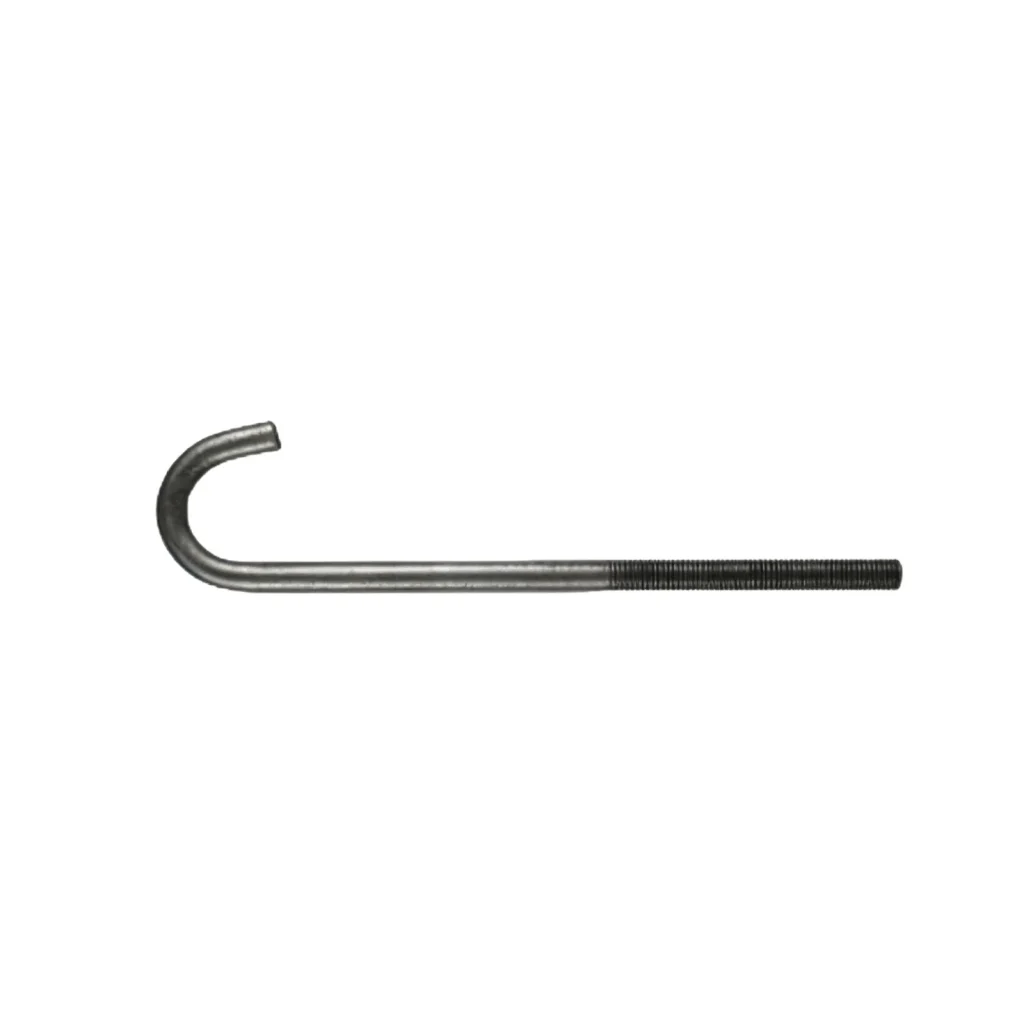
7-letter, 9-letter L-shaped anchor bolt (Chinese national standard GB/T799-1988 embedded anchor screw)

7-letter, 9-letter L-shaped anchor bolt (Chinese national standard GB/T799-1988 embedded anchor screw)

Brand: Wotu Surface: Natural black oxide treatment, customized hot-dip galvanized, zinc plated as required Specifications: Follow Chinese national standard GB/T799-1988, in stock M12-M48, total length 120mm~1500mm, nonstandard customized diameter, bending length, total screw length available Matching: Nuts, flat washers and spring washers of the same specification can be supplied in complete sets. Packaging: Bundling and packaging, using wooden pallets and film-wrapped export packaging in large quantities

Read More
U-bolt ( / U-bolt, M10/M12/M16/M20/M24 multiple specifications)

U-bolt ( / U-bolt, M10/M12/M16/M20/M24 multiple specifications)

Brand: Wotu Surface: natural black oxide / hot-dip galvanized / blue-white zinc plated, multiple processes available Specifications: Based on common industry drawing parameters, suitable for pipe diameter 25mm~139.7mm, screw diameter M10~M24, total length can be nonstandard customized Matching: can be matched with nut, flat washer and spring washer of the same specifications for complete shipment Packaging: Bundling and packaging + 25kg export carton, full-container wooden pallet wrapped with film, supports private-label export packaging

Read More
White Zinc Plated Hex Head Self-Drilling Screw

White Zinc Plated Hex Head Self-Drilling Screw

Brand: Hengzuan Surface: blue and white zinc plated, optional black oxide, color zinc plated coating Specifications: in stock 4.2/4.8/5.5/6.3mm wire diameter, length 16mm~165mm full size range, supports nonstandard customized rod length Packaging: 25kg export cartons, full-container wooden pallets wrapped with film, supports neutral packaging, private-label customization

Read More
Hex Head No. 5 Point Self-Drilling Screw

Hex Head No. 5 Point Self-Drilling Screw

Brand: Wotu Surface: blue and white zinc plated, customized color zinc plated, Dacromet anti-corrosion coating available Specifications: ST5.5, ST6.3 mainstream specifications, rod length 20mm~125mm, full size range in stock, support nonstandard customization, drilling to adapt to steel sheet 2-6mm Packaging: 25kg cartons, whole wooden pallets

Read More
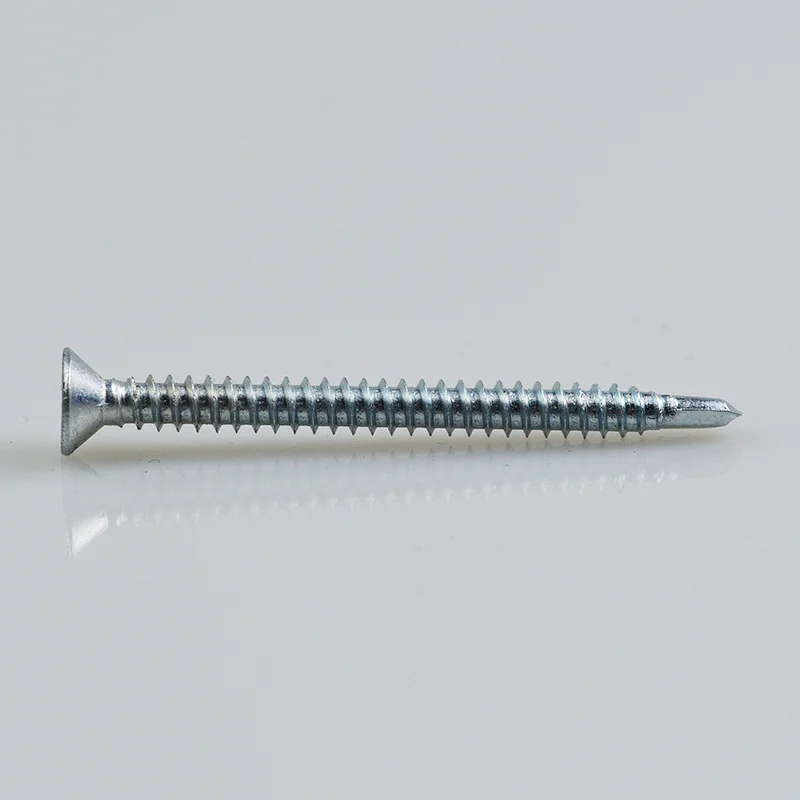
Countersunk Head Blue Zinc Self-Drilling Screw

Countersunk Head Blue Zinc Self-Drilling Screw

Brand: Hengzuan Surface: blue and white zinc plated, can be customized color zinc plated, black oxide plated Specifications: in stock 3.5/3.9/4.2/4.8/5.5 mainstream wire diameter, rod length 13mm~75mm full size range, nonstandard length can be customized as needed Packaging: 25kg export cartons, full wooden pallets wrapped with film, supports neutral export packaging, private-label customization

Read More

Selecting a 10mm anchor fastener for the job site

10mm anchor selection points

Relevant selection criteria for a 10mm anchor fastener include anchor style, thread or hole diameter, total length, embedment depth, fixture thickness, nut and washer requirements, surface finish, base material and installation method. These details affect both fit and site performance.

Criterion What To Check Why It Matters Buyer Tip
Anchor type for the base material Confirm whether the 10mm anchor is intended for cracked concrete, non-cracked concrete, solid brick, hollow block, or another substrate. Expansion, sleeve, wedge, and chemical anchors behave differently in different base materials. The wrong type can loosen, split the substrate, or fail to reach the expected holding performance. Ask: What base material and fixture application is this 10mm anchor fastener being selected for?
Diameter meaning and matching hole size Verify whether “10mm” refers to the anchor diameter, drill hole diameter, thread size, or fixture hole clearance. Buyers often use 10mm loosely. A mismatch between anchor body, drilled hole, and fixture hole can cause poor expansion, difficult installation, or site rework. Ask: For this item, does 10mm describe the anchor body, the drill bit size, or the thread?
Embedment depth and fixture thickness Compare the required embedment depth with the thickness of the part being fixed and the available depth in the substrate. An anchor that is too short may not develop proper grip; one that is too long can bottom out or be impossible to install in shallow concrete or masonry. Ask: What fixture thickness and usable base-material depth should the anchor accommodate?
Head style and installation access Check whether the project needs a hex nut, countersunk head, bolt head, internal thread, or stud-style fixing. Head style affects how the fixture sits, what tool can be used, and whether the finished surface must remain flush or serviceable. Ask: Should the fastener finish flush with the fixture, leave a projecting stud, or allow later removal of the mounted part?
Surface finish and exposure conditions Confirm the environment: dry indoor use, damp indoor areas, outdoor exposure, chemical exposure, or coastal conditions. Finish selection affects corrosion resistance and service life. A basic finish may suit dry interiors but may not be suitable for wet or exposed locations. Ask: What coating or material option is recommended for the project environment, and can it be documented on the quotation?

Details that change the correct anchor choice

The main distinction is between anchors that expand inside the drilled hole and anchors that use a bonded or mechanical setting method suited to the base material. Expansion anchors can be fast and economical in sound concrete, but they need correct hole size, embedment and edge distance. If the base material is weaker, hollow, cracked or near an edge, the wrong anchor can loosen or split the material.

The “10mm” size can refer to the anchor diameter, bolt thread, drill hole size or nominal product size, depending on the product style and local naming. That matters because a mismatch can cause site rework: the hole may be too large, the fixture hole may not fit, or the nut and washer assembly may not match the installed anchor.

Start with the base material. A 10mm anchor fastener used in dense concrete may not behave the same way in brick, block, stone or aerated material. Ask whether the anchor is intended for solid concrete, masonry, hollow sections or a mixed substrate, and confirm if cracked concrete, overhead fixing or edge installation is involved.

Check the fixture stack before confirming the order. Buyers often specify diameter but forget fixture thickness, washer size, nut clearance and required projection above the surface. If the anchor is too short, it may not achieve proper embedment; if it is too long, it can interfere with the installation or leave excess thread exposed.

Choose the finish for the environment, not just for appearance. Indoor dry use, humid storage, exterior exposure and contact with treated timber or dissimilar metals can require different surface protection. Confirm the material and coating required for the job rather than assuming a standard plated anchor is suitable everywhere.

Avoid ordering from a drawing that shows only “10mm anchor” without installation details. The next step is to send the base material, fixture thickness, hole or thread requirement, expected load direction and environment. If there is an engineering drawing or project standard, include it so the anchor style and dimensions can be checked before production or supply.

Criteria Importance Description Example Options
Base material and anchor mechanism Critical because the substrate determines whether the anchor can develop reliable holding performance. Match the fixing method to solid concrete, masonry, hollow sections, aerated material or another specified base. Expansion anchors may suit sound concrete, while a different mechanical or bonded method may be more appropriate for other substrates. A bracket fixed to dense concrete may use an expansion type, while a hollow masonry application may require a system designed for voided material.
Load and installation condition Critical where the fixing will face pull-out, shear, vibration, overhead loading, cracks or limited edge distance. The same nominal diameter can be unsuitable for different load directions or installation locations. Check the intended use, edge distance, embedment and whether the base is cracked or near a corner. A vibrating equipment support should not be selected in the same way as a lightly loaded indoor bracket.
Length, embedment and fixture fit Essential for preventing installation problems and ensuring that the anchor engages the base correctly. Account for the fixture thickness, washer and nut, required projection and embedment depth. Nominal diameter alone does not confirm that the assembly will fit or reach the required depth. A thick base plate needs a different usable length from a thin wall bracket, even if both use the same nominal diameter.
Material and surface finish Important when the fixing is exposed to moisture, outdoor conditions, treated timber, dissimilar metals or corrosive surroundings. Select the material and coating for the actual environment rather than appearance alone. Confirm compatibility with the fixture and surrounding materials. A dry indoor installation may have different finish requirements from an exterior fixing exposed to repeated moisture.
Meaning of the 10 mm dimension Important because an incorrect interpretation can cause mismatched holes, threads or installation tools. Confirm whether the stated dimension refers to the anchor body, bolt thread, nominal product size or required drill hole. The correct installation dimensions depend on the anchor design. A product described as 10 mm may not use a 10 mm drill hole, so the supplier's installation data should be checked before drilling.

Blog Articles / Reviews

Anchor Bolts: 7 Ordering Errors That Cause Site Rework

Anchor Bolts: 7 Ordering Errors That Cause Site Rework

ost anchor bolt ordering errors come from incomplete drawings, unclear dimensions, unsuitable material or coating choices, undefined tolerances, and mismatched nuts or washers. These mistakes affect steel fabricators, EPC contractors, equipment installers, importers, and distributors because anchor bolts are usually embedded before the connected structure arrives on site. Once concrete has cured, even a small […]

Oxidation Treatment Specifications for Self-Drilling Screw Fasteners

Oxidation Treatment Specifications for Self-Drilling Screw Fasteners

The surface treatment of self-drilling screws requires specific procedures. What manufacturing processes are generally used for surface treatment? Hebei Wotu Fastener Manufacturing Co., Ltd. will explain oxidation treatment below. The surface treatment of self-drilling screws requires specific procedures. What manufacturing processes are generally used for surface treatment? Hebei Wotu Fastener Manufacturing Co., Ltd. will explain […]

National Standards for Self-Drilling Screws – Fasteners

National Standards for Self-Drilling Screws – Fasteners

When using fasteners, are you familiar with the standards governing them? Today, Hebei Wotu Fastener Manufacturing Co., Ltd. will discuss the national standards for fasteners with you. Let’s take a look. 1. Standards for Fastener Product Dimensions: These specifically define the basic dimensions of the product; for threaded products, this also includes the basic dimensions […]

Applications of Anchor Bolts

Applications of Anchor Bolts

Fixed anchor bolts, also known as short anchor bolts, are cast in with the foundation and used to secure equipment that does not experience strong vibration or impact. 1. Fixed anchor bolts, also known as short anchor bolts, are cast in with the foundation and used to secure equipment that does not experience strong vibration […]

Frequently Asked Questions

Can a 10 mm anchor be used in brick, block or aerated material?

Not automatically. An anchor selected for dense concrete may not develop the same holding performance in brick, hollow block or aerated material, so the base material and whether it is solid or hollow should be confirmed before ordering.

When is a bonded anchor a better alternative to an expansion anchor?

A bonded system may be considered where expansion pressure is undesirable, such as near an edge or in some cracked or sensitive base materials. Expansion anchors can be simpler and faster in sound concrete, but both options require the correct installation method and suitability for the substrate.

Does 10 mm always mean that the drilled hole should be 10 mm?

No. Depending on the product style, the measurement may describe the anchor body, bolt thread, nominal size or required hole. Confirm the manufacturer's installation dimensions rather than ordering from the diameter alone.

What length should be specified for the fixing?

Calculate the required length from the fixture thickness, washer and nut arrangement, embedment depth and any required projection. A short anchor may not achieve sufficient embedment, while an unnecessarily long one can leave excess thread or interfere with the installation.

What information should accompany a purchase inquiry?

Provide the base material, fixture thickness, intended load direction, installation conditions and required anchor style or drawing. Also state the environment and any requirements for thread, washer, nut, finish or resistance to vibration.

Leave Your Message

Send the base material, fixture thickness and required anchor style or drawing. If known, also include the installation environment and whether the load is mainly pull-out, shear or vibration.