8mm Anchor Fastener Selection | Hebei Wotu Fastener Manufacturing Co., Ltd.

8mm anchor fasteners for reliable site fixing

An 8mm anchor fastener is usually chosen for light to medium fixing work where the hole size, base material and installed load must match correctly. The main decision is not only “8mm” as a diameter, but the anchor style, embedment depth, head type, coating and compatibility with concrete, brick or block.

For buyers sourcing anchors for site installation, the safest inquiry starts with the job condition: what will be fixed, what material it fixes into, and whether the fixing will be indoors, outdoors or exposed to moisture.

Related Products

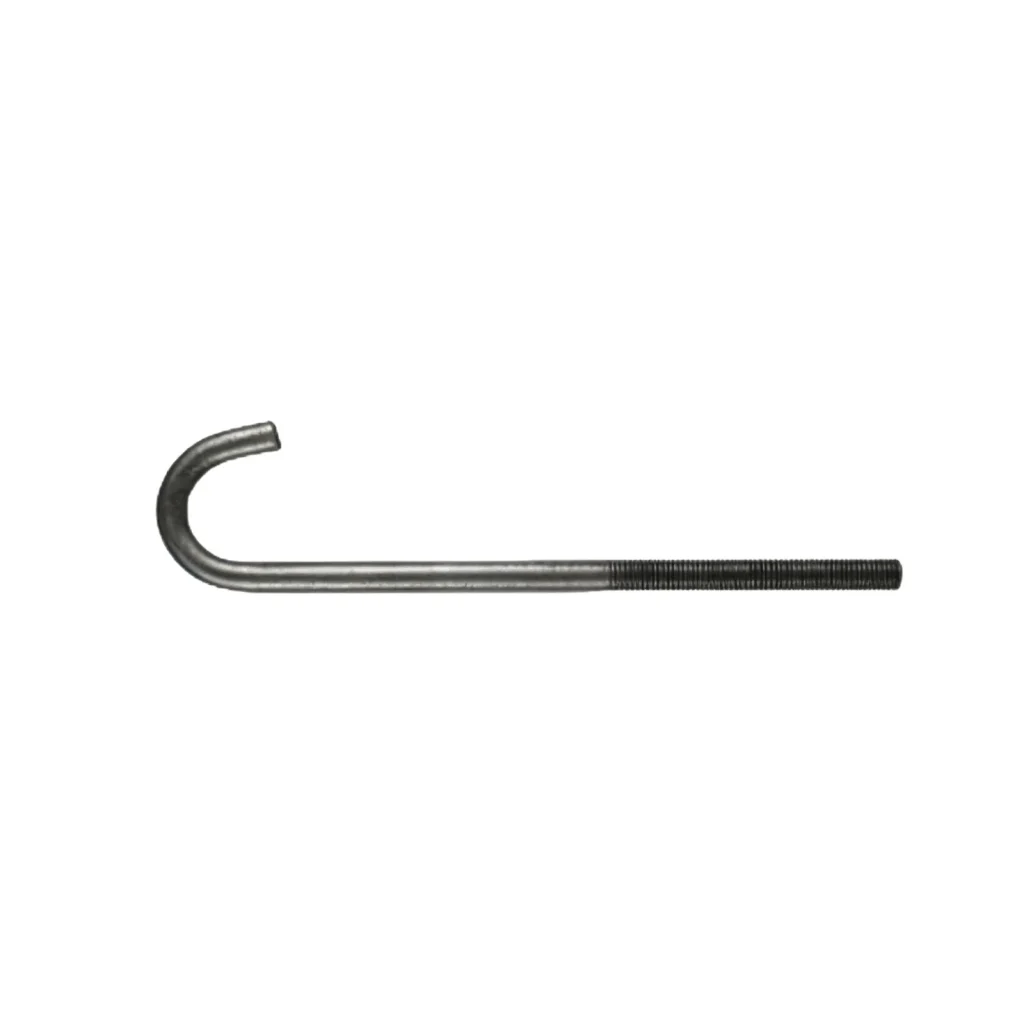
7-letter, 9-letter L-shaped anchor bolt (Chinese national standard GB/T799-1988 embedded anchor screw)

7-letter, 9-letter L-shaped anchor bolt (Chinese national standard GB/T799-1988 embedded anchor screw)

Brand: Wotu Surface: Natural black oxide treatment, customized hot-dip galvanized, zinc plated as required Specifications: Follow Chinese national standard GB/T799-1988, in stock M12-M48, total length 120mm~1500mm, nonstandard customized diameter, bending length, total screw length available Matching: Nuts, flat washers and spring washers of the same specification can be supplied in complete sets. Packaging: Bundling and packaging, using wooden pallets and film-wrapped export packaging in large quantities

Read More
U-bolt ( / U-bolt, M10/M12/M16/M20/M24 multiple specifications)

U-bolt ( / U-bolt, M10/M12/M16/M20/M24 multiple specifications)

Brand: Wotu Surface: natural black oxide / hot-dip galvanized / blue-white zinc plated, multiple processes available Specifications: Based on common industry drawing parameters, suitable for pipe diameter 25mm~139.7mm, screw diameter M10~M24, total length can be nonstandard customized Matching: can be matched with nut, flat washer and spring washer of the same specifications for complete shipment Packaging: Bundling and packaging + 25kg export carton, full-container wooden pallet wrapped with film, supports private-label export packaging

Read More
White Zinc Plated Hex Head Self-Drilling Screw

White Zinc Plated Hex Head Self-Drilling Screw

Brand: Hengzuan Surface: blue and white zinc plated, optional black oxide, color zinc plated coating Specifications: in stock 4.2/4.8/5.5/6.3mm wire diameter, length 16mm~165mm full size range, supports nonstandard customized rod length Packaging: 25kg export cartons, full-container wooden pallets wrapped with film, supports neutral packaging, private-label customization

Read More
Hex Head No. 5 Point Self-Drilling Screw

Hex Head No. 5 Point Self-Drilling Screw

Brand: Wotu Surface: blue and white zinc plated, customized color zinc plated, Dacromet anti-corrosion coating available Specifications: ST5.5, ST6.3 mainstream specifications, rod length 20mm~125mm, full size range in stock, support nonstandard customization, drilling to adapt to steel sheet 2-6mm Packaging: 25kg cartons, whole wooden pallets

Read More
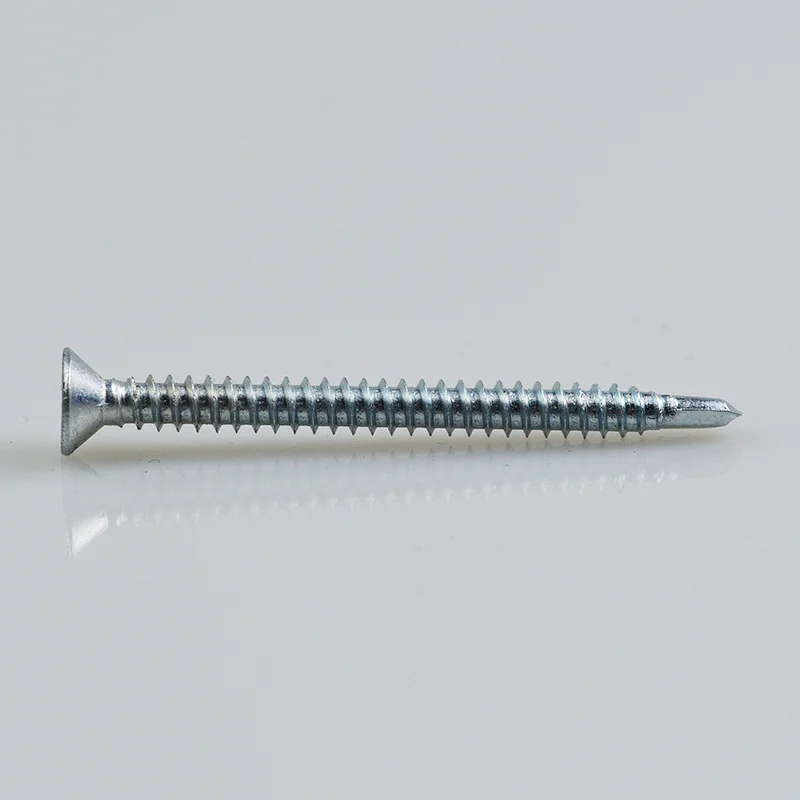
Countersunk Head Blue Zinc Self-Drilling Screw

Countersunk Head Blue Zinc Self-Drilling Screw

Brand: Hengzuan Surface: blue and white zinc plated, can be customized color zinc plated, black oxide plated Specifications: in stock 3.5/3.9/4.2/4.8/5.5 mainstream wire diameter, rod length 13mm~75mm full size range, nonstandard length can be customized as needed Packaging: 25kg export cartons, full wooden pallets wrapped with film, supports neutral export packaging, private-label customization

Read More

Selecting an 8mm anchor fastener for the base material and fixture

8mm anchor selection criteria

Useful selection criteria for an 8mm anchor fastener include anchor type, compatible base material, overall length, thread form, head or nut arrangement, coating, corrosion exposure and installation method. If the anchor must match an existing hole pattern or drawing, provide that detail before confirming the order.

Criterion What To Check Why It Matters Buyer Tip
Anchor type for the base material Confirm whether the 8 mm anchor is intended for concrete, solid brick, block, or another substrate. Expansion anchors, sleeve anchors, wedge anchors, and chemical anchors grip differently. The wrong type can loosen, crack the base material, or fail to set properly. What base material will the 8 mm anchor fastener be installed into, and is it solid or hollow?
Effective embedment depth Ask for the required drilled hole depth and the minimum embedment length for the chosen anchor style. An 8 mm diameter alone does not define holding capacity. Embedment affects pull-out resistance, edge distance, and whether the fixing can carry the intended load. What embedment depth should be used for this anchor in your application, and does the drawing specify it?
Fixture thickness and usable thread length Compare the thickness of the bracket, plate, or part being fixed with the anchor’s available clamping length and thread length. If the anchor is too short, the nut may not engage fully. If it is too long, installation may be awkward or leave excess projection. What is the fixture thickness, and how much thread needs to remain above the surface after tightening?
Finish and exposure conditions Identify whether the anchor will be used indoors, outdoors, in damp areas, or near chemicals, then confirm the available coating or material option. Corrosion can reduce service life and make later removal difficult. A basic indoor finish may not suit exposed or humid installations. Will the 8 mm anchor be installed in a dry interior area or exposed to weather or moisture?
Hole size, setting method, and matching accessories Verify the recommended drill bit size, installation torque or setting method, and compatible nut, washer, or sleeve components. Small installation mismatches can cause spinning anchors, poor expansion, cracked edges, or inconsistent clamping force. Can you supply the matching installation details and accessories for the specific 8 mm anchor fastener being quoted?

Key checks before ordering 8mm anchors

The key distinction is between an anchor’s nominal size and its working performance in the base material. An 8mm anchor may refer to the drill hole, bolt diameter or sleeve size depending on the anchor type, so drawings, installation notes or a sample should be checked before ordering.

Expansion anchors, sleeve anchors, wedge anchors and drop-in anchors can all be supplied around this size range, but they behave differently. Expansion types need sound concrete to grip well; sleeve anchors can suit a wider range of masonry; drop-in anchors are often used where a flush internal thread is needed. Choosing the wrong type can cause loose fixings, cracked masonry or rework during installation.

Start with the base material. Concrete, solid brick, hollow brick and blockwork do not hold anchors in the same way. A fixing that performs well in dense concrete may not grip reliably in a hollow wall. Confirm the base material and whether the anchor needs expansion, chemical bonding or another fixing method.

Match the anchor to the installed part. Check the hole in the bracket, the required head style and the available tightening space. A hex nut, countersunk head, eye bolt or internal-thread anchor changes how the part sits after installation. Small mismatches can stop a bracket from sitting flat or make the fastener difficult to tighten.

Do not order by diameter alone. Length, thread length, washer and nut arrangement, coating and material grade can change the result. For outdoor or damp locations, ask which surface treatment or stainless option is appropriate. For visible assemblies, also confirm finish appearance and whether mixed batches must match.

Send one clear installation description before requesting supply. Include the anchor size required, base material, fixture thickness, environment and any drawing or sample reference. If there is a pull-out or safety requirement, ask what documentation or test basis can be provided rather than assuming a general 8mm anchor will meet it.

Criteria Importance Description Example Options
Anchor type High impact on installation success Expansion anchors, sleeve anchors, wedge anchors and drop-in anchors grip the base material differently. The anchor type should match the substrate and how the fixture will be tightened or removed. A flush internal-thread anchor may suit a removable bracket, while an expansion anchor may suit a permanent fixing into sound concrete.
Base material Critical for holding performance Concrete, solid brick, hollow brick and blockwork do not provide the same grip. Ordering without confirming the substrate can lead to loose anchors, cracked material or site rework. An anchor that grips well in dense concrete may not be appropriate for hollow masonry without a different design.
Length and fixture thickness Often overlooked but important The anchor must pass through the fixture and still provide enough embedment in the base material. If the fixture is thicker than expected, a standard-length anchor may not seat or tighten correctly. A bracket with a spacer or thick base plate may require a longer anchor than a thin mounting plate.
Head, nut and washer arrangement Important for fit and assembly The visible head and tightening method affect clearance, appearance and how the load is clamped. A mismatch can prevent the fixture from sitting flat or make tightening difficult in confined spaces. A countersunk head may be needed for a flush surface, while a hex nut and washer may be easier for general bracket fixing.
Surface finish or material Important for service environment Finish selection affects corrosion resistance and appearance. Indoor dry use, damp rooms and outdoor installations may require different coating or material choices. A dry indoor support may use a standard plated finish, while an exposed installation may need a more corrosion-resistant option.

Blog Articles / Reviews

Anchor Bolts: 7 Ordering Errors That Cause Site Rework

Anchor Bolts: 7 Ordering Errors That Cause Site Rework

ost anchor bolt ordering errors come from incomplete drawings, unclear dimensions, unsuitable material or coating choices, undefined tolerances, and mismatched nuts or washers. These mistakes affect steel fabricators, EPC contractors, equipment installers, importers, and distributors because anchor bolts are usually embedded before the connected structure arrives on site. Once concrete has cured, even a small […]

Oxidation Treatment Specifications for Self-Drilling Screw Fasteners

Oxidation Treatment Specifications for Self-Drilling Screw Fasteners

The surface treatment of self-drilling screws requires specific procedures. What manufacturing processes are generally used for surface treatment? Hebei Wotu Fastener Manufacturing Co., Ltd. will explain oxidation treatment below. The surface treatment of self-drilling screws requires specific procedures. What manufacturing processes are generally used for surface treatment? Hebei Wotu Fastener Manufacturing Co., Ltd. will explain […]

National Standards for Self-Drilling Screws – Fasteners

National Standards for Self-Drilling Screws – Fasteners

When using fasteners, are you familiar with the standards governing them? Today, Hebei Wotu Fastener Manufacturing Co., Ltd. will discuss the national standards for fasteners with you. Let’s take a look. 1. Standards for Fastener Product Dimensions: These specifically define the basic dimensions of the product; for threaded products, this also includes the basic dimensions […]

Applications of Anchor Bolts

Applications of Anchor Bolts

Fixed anchor bolts, also known as short anchor bolts, are cast in with the foundation and used to secure equipment that does not experience strong vibration or impact. 1. Fixed anchor bolts, also known as short anchor bolts, are cast in with the foundation and used to secure equipment that does not experience strong vibration […]

Frequently Asked Questions

Is an 8mm anchor suitable for brick as well as concrete?

It depends on the anchor style and the brick condition. Dense concrete can often accept expansion-type anchors, while hollow brick or weak masonry may need a sleeve anchor, a longer fixing, or a different anchoring method. Confirm the base material before treating 8mm as a universal size.

What is the difference between a sleeve anchor and a wedge anchor?

A sleeve anchor expands along a sleeve and is often used where the base material or application needs a more adaptable fixing. A wedge anchor is commonly associated with solid concrete and relies on strong expansion at the embedded end. The better choice depends on the substrate, fixture thickness and required holding behavior.

Does 8mm mean the bolt size or the drill hole size?

Not always. Depending on the anchor design, 8mm may refer to the nominal bolt diameter, the anchor body, or the hole required for installation. Drawings, samples or installation notes should be checked so the supplied fastener matches the installer’s drill size and fixture hole.

What details should be sent before asking for supply?

Provide the anchor type if known, size, length, base material, fixture thickness, head or nut style, finish requirement and installation environment. If the fixing is safety-related or load-bearing, also ask what technical data or test basis can be reviewed before purchasing.

When should a buyer consider a coated or stainless anchor?

Coating and material choice matter when the fixing is exposed to moisture, outdoor air, chemicals or visible corrosion concerns. Zinc-plated anchors may suit many dry indoor uses, while harsher locations may require a more corrosion-resistant finish or stainless material. The final choice should match the exposure and service life expectation.

Leave Your Message

Send the anchor type or drawing if available, the base material, and the fixture thickness or application. Also note whether the installation is indoor, outdoor or exposed to moisture.