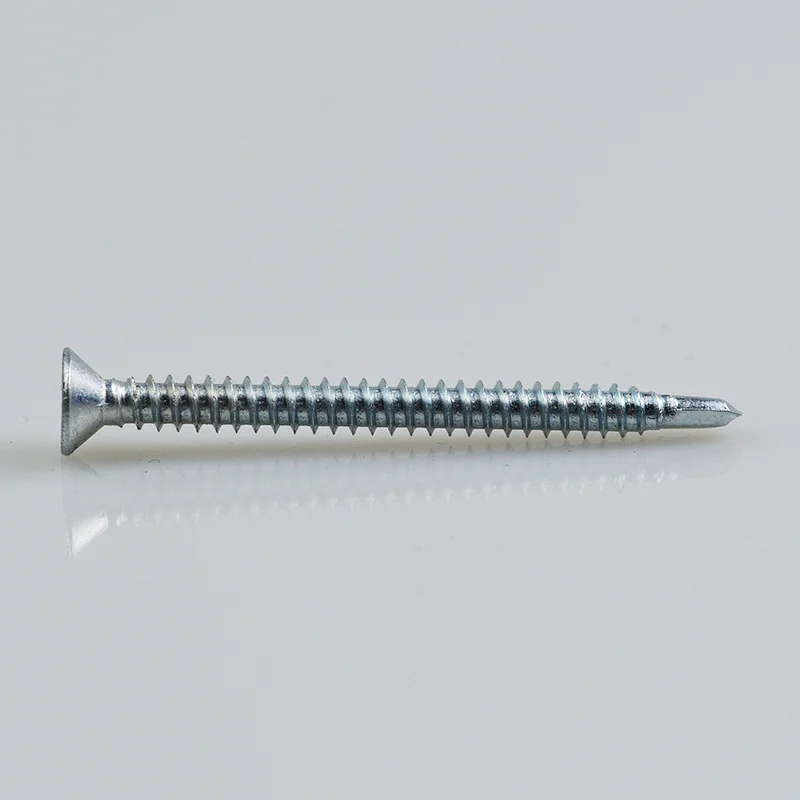
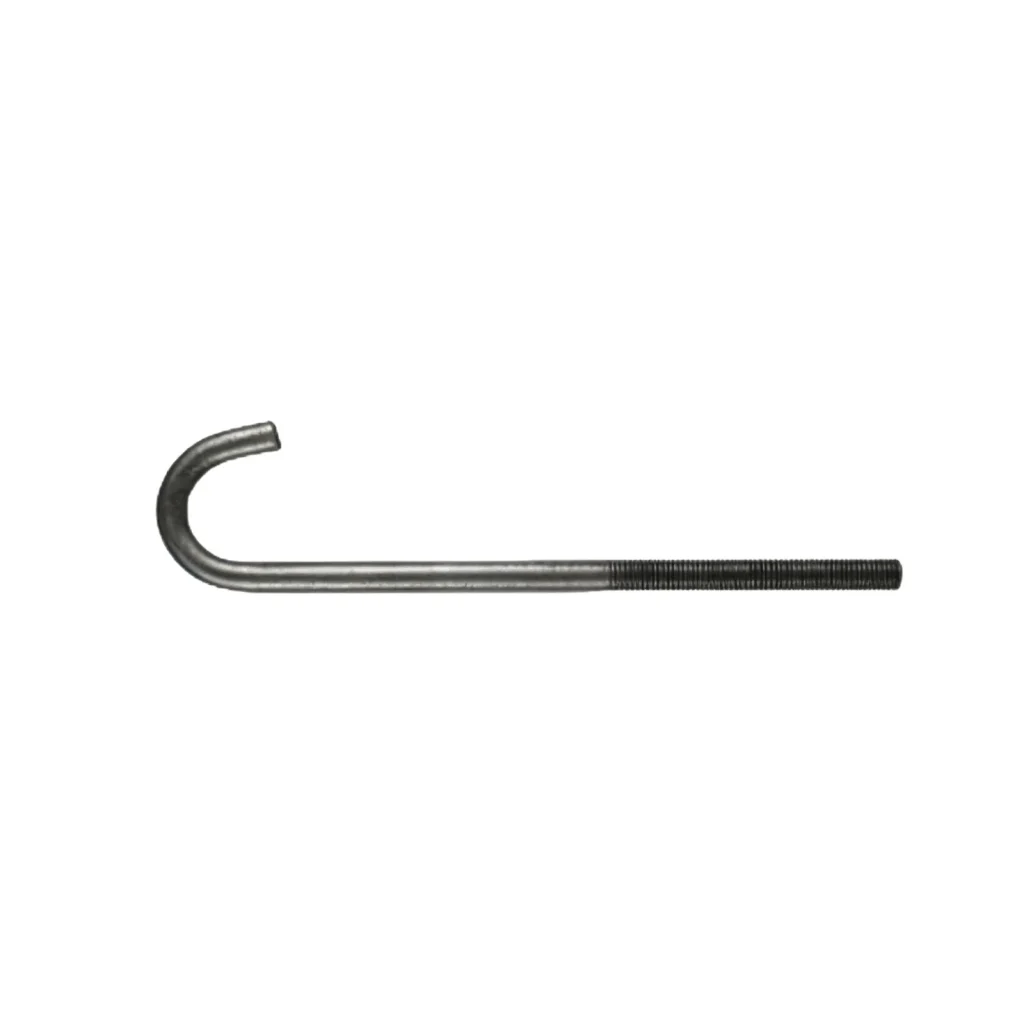
The practical difference is how the anchor develops holding force. Expansion anchors grip the hole wall by mechanical wedging, sleeve anchors spread load through a sleeve, and drop-in or internally threaded anchors suit removable bolted connections. That distinction matters because cracked concrete, hollow masonry, edge distance and repeated vibration can change which design is appropriate.
A common mistake is treating all anchor bolts as interchangeable. Two anchors with similar diameters may behave differently during installation and service. Hole drilling accuracy, embedment depth, torque control and surface coating can affect the final connection as much as the nominal size.
Start with the base material. Solid concrete, brick, block and stone do not accept anchors in the same way. If the material is unknown or inconsistent, confirm whether the anchor must work in solid zones only or across mixed masonry. For safety-critical work, the project engineer’s specified anchor type should take priority over substitution by appearance.
Check the load case before choosing the anchor form. Static vertical loads, shear loads, pull-out loads and vibration do not stress the fastener in the same direction. A machine foot, handrail post, cable tray bracket and facade support may all use mechanical anchors, but they may need different head styles, thread lengths or installation methods.
Match the finish to the environment. Indoor dry locations may not need the same corrosion resistance as outdoor concrete, damp basements or coastal projects. Ask which coating or material grade is suitable for the site conditions, and avoid mixing dissimilar metals where corrosion risk is a concern.
Before requesting a quote, prepare the anchor type if specified, diameter, length, thread, head style, finish, quantity, base material and application. If you are replacing an existing part, include photos and measured dimensions rather than relying on a name alone.