Mini Drill Machine Selection Guide | Hebei Wotu Fastener Manufacturing Co., Ltd.

Mini Drill Machine for Small Holes and Fastener Preparation

A mini drill machine is usually chosen for small holes, light assembly, repair work, model making, panel work, or pilot-hole preparation before fastening. The main decision is not only size; it is whether the tool has the right chuck range, speed control, torque feel, bit compatibility, and stability for the material you need to drill.

For fastening work, the drill and the screw must suit each other. A compact drill may handle light pilot holes well, but self-drilling screws, harder metals, thicker sheet, or repeated production use can change the tool requirement quickly.

Related Products

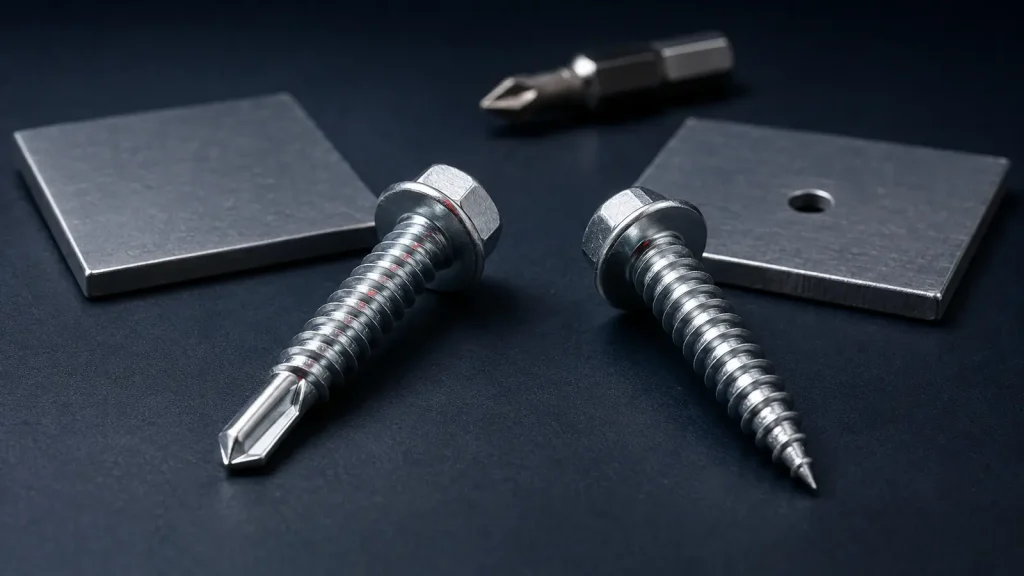
Hex Head Self-Drilling Screw With Bonded Washer

Hex Head Self-Drilling Screw With Bonded Washer

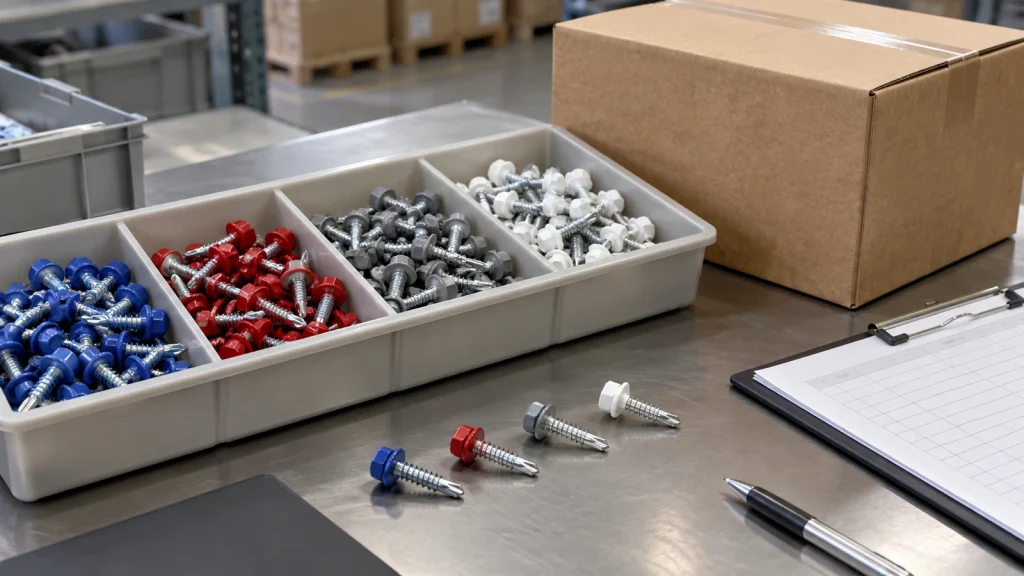
Brand: Hengzuan Surface: blue and white zinc plated, color zinc plated can be customized on request Specifications: in stock 4.2/4.8/5.5/6.3mm mainstream wire diameter, length 20mm~165mm full range of specifications, nonstandard rod length, drill point size can be customized Packaging: 25kg export cartons, full pallets wrapped with film, supports neutral export packaging, customer private-label customization

Read More
Countersunk Head Blue-White Zinc Plated Self-Drilling Screw (Chinese National Standard: Phillips Countersunk Head Self-Drilling And Self-Tapping Screw GB/T15856.2-2002)

Countersunk Head Blue-White Zinc Plated Self-Drilling Screw (Chinese National Standard: Phillips Countersunk Head Self-Drilling And Self-Tapping Screw GB/T15856.2-2002)

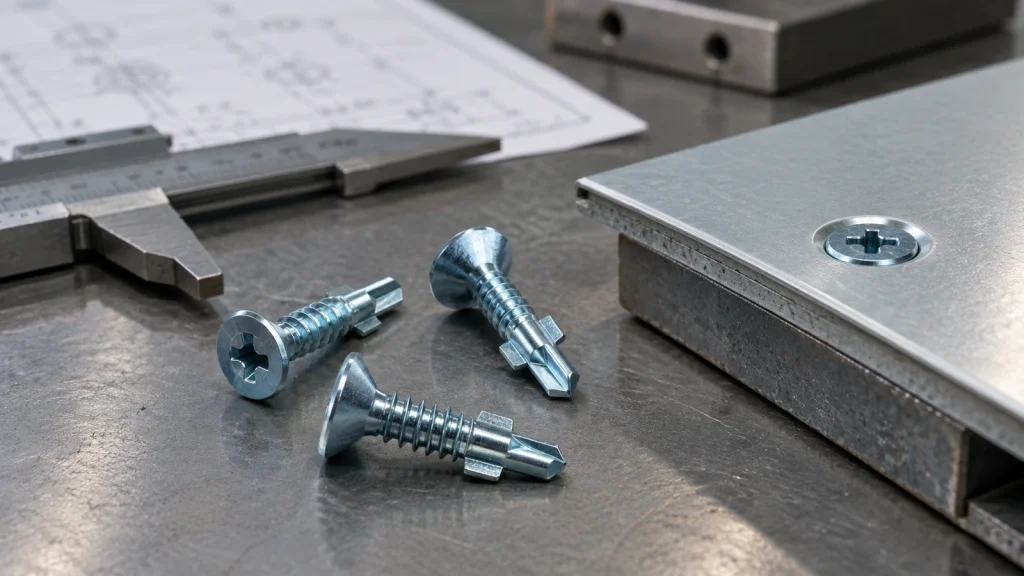
Brand: Hengzuan Surface: blue and white zinc plated, can be customized color zinc plated, black oxide plated Specifications: Comply with GB/T15856.2-2002 Chinese national standard, in stock ST4.2/ST4.8/ST5.5 full range of specifications, length 13mm~75mm optional, supports customized nonstandard rod lengths; drilling adaptation plate thickness 0.7~6mm Packaging: 25kg export cartons, full pallets wrapped with film, supports neutral export packaging, customer private-label customization

Read More
Black Phosphated Winged Countersunk Head Self-Drilling Screw

Black Phosphated Winged Countersunk Head Self-Drilling Screw

Brand: Hengzuan Surface: high temperature black phosphated anti-rust treatment, blue zinc, color zinc plated coating can be replaced as needed Specifications: in stock ST3.5/ST4.2/ST4.8 common specifications, rod length 16mm~50mm, complete, supports nonstandard size customization, suitable for drilling steel sheets 2~5mm Packaging: 25kg cartons, whole wooden pallets, support neutral packaging, private-label customization

Read More
Countersunk Head Blue Zinc Self-Drilling Screw

Countersunk Head Blue Zinc Self-Drilling Screw

Brand: Hengzuan Surface: blue and white zinc plated, can be customized color zinc plated, black oxide plated Specifications: in stock 3.5/3.9/4.2/4.8/5.5 mainstream wire diameter, rod length 13mm~75mm full size range, nonstandard length can be customized as needed Packaging: 25kg export cartons, full wooden pallets wrapped with film, supports neutral export packaging, private-label customization

Read More

Mini Drill Machine Fit for Small Holes and Fastener Preparation

Selection criteria

Relevant selection criteria for a mini drill machine include the work material, hole diameter range, bit shank type, speed control, torque needs, duty cycle, and whether the tool will drill holes only or also drive fasteners. These details matter more than the tool name alone.

Criterion What To Check Why It Matters Buyer Tip
Chuck size and bit compatibility Confirm the chuck range and the drill bit shank sizes it accepts. A mini drill machine is often used for small holes, pilot holes, model work, PCB work, light metal, plastic, or wood. If the chuck cannot hold the required bit securely, the hole may run off-center or the bit may slip. Ask: What bit diameters and shank types will the machine hold without an adapter?
Speed control for the material Check whether the machine has fixed speed, stepped speed, or variable speed control. Small bits need controlled speed. Too much speed can melt plastic, burn wood, or break fine bits; too little speed can cause poor cutting in some metals. Ask: Can the speed be adjusted for the material and bit size I plan to use?
Torque and duty cycle Ask what light-duty and continuous-use work the machine is intended for. A compact drill may be convenient but may not suit repeated drilling in harder materials. Low torque can stall, while long run time can overheat a small motor. Ask: Is this model suitable for repeated holes in my material thickness, or only occasional hobby use?
Power source and workspace fit Compare corded, battery, and USB-style power options, and check the tool body size. Corded tools suit bench work, while cordless tools suit portable repair. Very small machines are easier to handle but may trade off power and run time. Ask: Will the drill be used mainly at a bench, on-site, or in a confined assembly area?
Accessories and replacement parts Confirm what comes with the machine and which parts are replaceable, such as collets, chucks, brushes, batteries, chargers, and bits. Low-cost mini drills can become inconvenient if consumables or adapters are hard to match later. Accessory quality also affects drilling accuracy and finish. Ask: Which accessories are included, and can I reorder compatible chucks, collets, bits, or batteries separately?

Match the Drill to the Material, Bit, and Screw

The practical difference is between a mini drill used mainly for precision drilling and a compact driver used for installing screws. A precision mini drill favors speed control, low vibration, and small bit handling. A compact driver favors torque, grip, and controlled screw seating. Mixing up those jobs can lead to broken small bits, stripped screw heads, poor hole alignment, or inconsistent fastening.

If your application involves self-drilling or self-tapping screws, confirm the screw type, material thickness, head style, coating, and installation method before choosing the machine. The tool should match the fastener behavior, not just the hole diameter.

Start with the material and task. Drilling soft plastic, wood, thin aluminum, and light sheet metal calls for different bit types and speed control. A tool that feels convenient for hobby drilling may not be suitable for repetitive metal fastening or harder substrates.

Check chuck compatibility before focusing on power claims. Small drill bits need secure holding and low runout; larger accessories may need a different chuck or collet system. If the chuck does not grip the bit properly, the tool can wander, chatter, or damage the workpiece.

Think about control, not only motor size. Variable speed, comfortable grip, predictable trigger response, and a stable body matter when drilling close to edges or preparing holes for visible fasteners. Too much speed or poor control can overheat bits, enlarge holes, or affect screw fit.

For a purchasing inquiry, describe the material, hole size range, fastening method, and expected use pattern. If the drill is being selected for screws supplied by Hebei Wotu Fastener Manufacturing Co., Ltd., ask which screw type, point style, coating, and installation method should be matched to the tool.


Criteria Importance Description Example Options
Drilling precision versus screw-driving torque This is the first decision because a tool optimized for one task may perform poorly at the other. A precision mini drill is suited to small holes and pilot-hole preparation. A compact driver is better suited to installing screws and controlling seating. Choose the drilling-focused option for model work or small pilot holes; choose the driver-focused option for repeated screw installation.
Chuck or collet compatibility The bit must be held securely and fit the machine's gripping system. Check the required bit shank type and size range before purchase. Poor compatibility can cause wandering, chatter, or an unreliable hole. A small twist bit may require a suitable miniature chuck or collet rather than a general-purpose holder.
Speed control and operating feel Control affects hole quality, bit life, and the risk of overheating the workpiece. Variable speed and a predictable trigger help the operator adapt to plastic, wood, thin aluminum, or sheet metal. Use a lower controlled setting for a delicate plastic part and a different setting for a small hole in thin sheet.
Material and hole-size range The substrate and required hole size determine whether a compact tool has enough capability for the job. Soft materials and light drilling may suit a mini machine, while harder materials, larger holes, or thicker sections can call for a sturdier drill. Pilot holes in light sheet and small holes in wood are different use cases from repeated drilling through thick metal.
Drilling-only use versus mixed duty A tool used intermittently for holes has different needs from one used repeatedly for drilling and fastening. Confirm the expected work pattern, torque demand, grip, stability, and bit changes rather than selecting by compact size alone. A hobby workstation may need steady low-vibration drilling, while an assembly task may also require controlled screw installation.

Product Selection

Related Options

For light assembly or pilot-hole preparation, the best fit is usually the machine that gives clean control with the chosen bit and leaves the hole suitable for the screw or fastener being installed. A small, steady drill can be more useful than a larger tool when the work involves thin sheet, narrow edges, or visible fastening points.

Blog Articles / Reviews

What Should an RFQ Include When Sourcing Dacromet Hex Head Self-Drilling Screw?

What Should an RFQ Include When Sourcing Dacromet Hex Head Self-Drilling Screw?

When sourcing dacromet hex head self drilling screw, a complete RFQ should define the application, screw configuration, coating requirement, dimensions, and supplier confirmation requirements. Buyers often receive different quotations because suppliers may interpret coating, size, drilling capability, or packaging scope differently. Before preparing a project inquiry, buyers can review the available fastener product categories to […]

What Is the Difference Between Self Drilling and Self Tapping Screws?

What Is the Difference Between Self Drilling and Self Tapping Screws?

Direct Answer: A self-drilling screw has a drill-shaped point that creates a hole and then forms mating threads in a suitable material. A self-tapping screw forms or cuts mating threads but may require a correctly sized pilot hole. Selection depends on substrate type and thickness, joint stack, point geometry, installation tool, finish and application testing—not […]

What RFQ Details Matter When Ordering Blue Zinc Winged Self-Drilling Screws?

What RFQ Details Matter When Ordering Blue Zinc Winged Self-Drilling Screws?

When ordering a blue zinc self drilling screw with a winged, countersunk configuration, diameter and length are not enough to define the application. The RFQ should identify the materials being connected, upper-material thickness, steel-substrate thickness, total material stack, required countersunk seating, screw diameter, total length, drill-point condition, wing geometry, surface treatment, installation method, quantity and […]

What Should Buyers Confirm When Ordering Color Nylon Head Hex Self-Drilling Screws?

What Should Buyers Confirm When Ordering Color Nylon Head Hex Self-Drilling Screws?

When ordering a chinese standard color nylon head hex self drilling screw, the RFQ should define more than a color name. Buyers should confirm the exact color reference, nylon head or cap configuration, base screw diameter and length, steel-sheet condition, metallic screw finish, visible-face requirement, color approval method, batch-consistency check and packaging or SKU separation. […]

Rust Prevention Tips for Self-Drilling Screws

Rust Prevention Tips for Self-Drilling Screws

As we all know, the simplest way to prevent self-drilling screws from rusting is to properly isolate the screws from moisture-containing and humid environments. This can be achieved through selective application of protective coatings and sealants, or by purchasing specially formulated rust-resistant or rust-proof screws. This is why many businesses and households have rust prevention […]

Frequently Asked Questions

Is a mini drill machine suitable for metalwork?

It can suit small holes in thin sheet metal or light metalwork when the bit, speed, and tool stability match the material. Harder metal, thicker sections, or repeated production drilling may require a more robust drill with greater torque and cooling control.

Should I choose a compact driver instead?

Choose a compact driver when the main task is seating screws and controlling tightening torque. Choose a mini drill when accurate small holes, bit control, and pilot-hole preparation matter more; some applications may need both tools rather than one tool for every task.

Does a higher speed always mean better drilling?

No. Excessive speed can heat the bit, enlarge the hole, or damage plastic and thin sheet. The useful setting depends on the material, bit size, and drilling method, so controllable speed is generally more important than a high maximum speed alone.

What details should I include when requesting a machine for fastening work?

State the material, hole diameter range, bit shank or collet requirement, expected use frequency, and whether the tool will drill only or also drive screws. For self-drilling or self-tapping fasteners, include the screw type, material thickness, head style, and installation method so the machine can be checked against the application.

Can the same tool handle small drilling and self-drilling screws?

Sometimes, but the requirements are different. Small drilling prioritizes chuck grip, low vibration, and speed control, while self-drilling screws may demand more torque and controlled screw seating; confirm the tool's intended use before combining both tasks.

Leave Your Message

Send the material, hole diameter range, and whether the machine will drill only or also drive screws. If the project uses self-drilling or self-tapping fasteners, include the screw type and application so the tool and fastening method can be checked together.