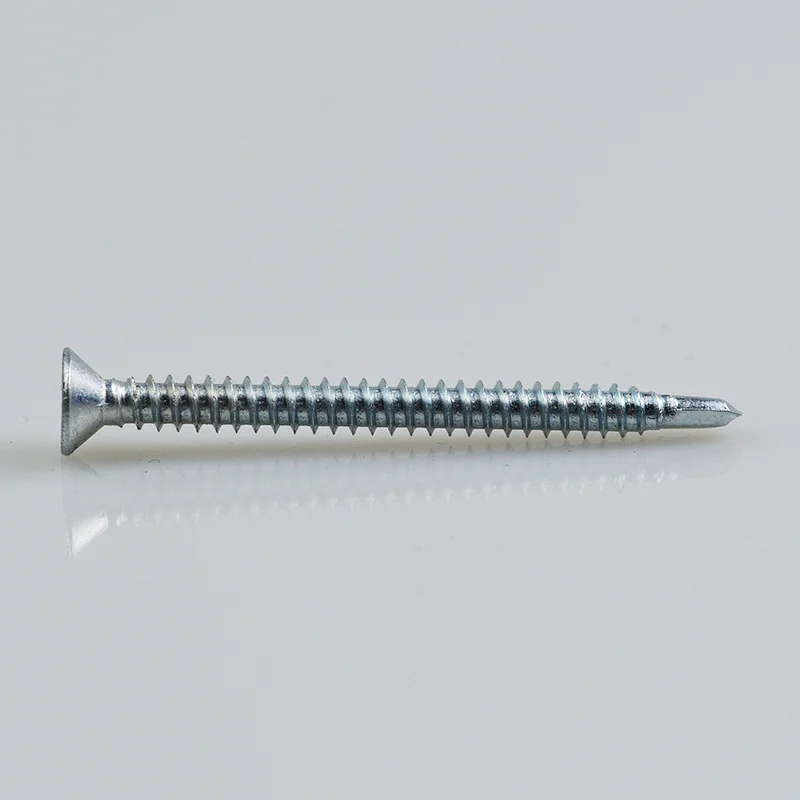
Pilot Hole For Self-Tapping Screws refers to the pilot-hole considerations used when matching self-tapping screws to a material and installation method. Buyers should confirm the material being fastened, sheet or component thickness, screw diameter, thread style, surface finish, and required packing before sending an RFQ.
For export order preparation, the most useful inquiry includes drawings or photos, target quantity, destination, delivery expectations, and any sample approval process. This helps the supplier respond with more relevant product options and practical follow-up questions.
Start by describing the application, not only the screw name. Confirm whether the screws will be used with metal, plastic, wood-based panels, or another substrate, and explain whether installation is manual, powered, or part of an assembly line. These details help narrow the suitable screw structure and pilot-hole requirements.
List the specifications your team already knows, including diameter, length, head type, drive type, material, finish, and packing format. If the project allows alternatives, state which details can be adjusted and which must remain fixed for assembly, appearance, or customer approval.
For bulk order preparation, include estimated quantity, shipment destination, required documents, sample needs, and expected decision timeline. If your team is comparing suppliers, ask consistent questions about lead time, packaging, labeling, inspection points, and how after-sales issues are handled.
When reviewing replies, look for supplier communication that connects the screw recommendation to your application. A useful response should clarify missing details, identify possible custom options, and help your purchasing team move from a broad RFQ to a workable order plan.