The first distinction is SDS-Plus versus SDS-Max. SDS-Plus is commonly used for smaller to medium holes with lighter rotary hammers, while SDS-Max suits heavier hammers and larger drilling or demolition work. The shank must match the tool chuck; an adapter is rarely the best answer when hole accuracy and tool life matter.
The second distinction is between drilling for anchors and drilling for general installation. Anchor holes need closer attention to nominal diameter, embedment depth, hole cleaning, and concrete condition. General through-holes may tolerate more variation, but anchor installation usually does not.
Start with the application: concrete, brick, block, stone, or reinforced concrete. A standard masonry bit may be enough for softer materials, but concrete with rebar calls for a more durable carbide head and a bit design that can handle intermittent contact without wandering badly.
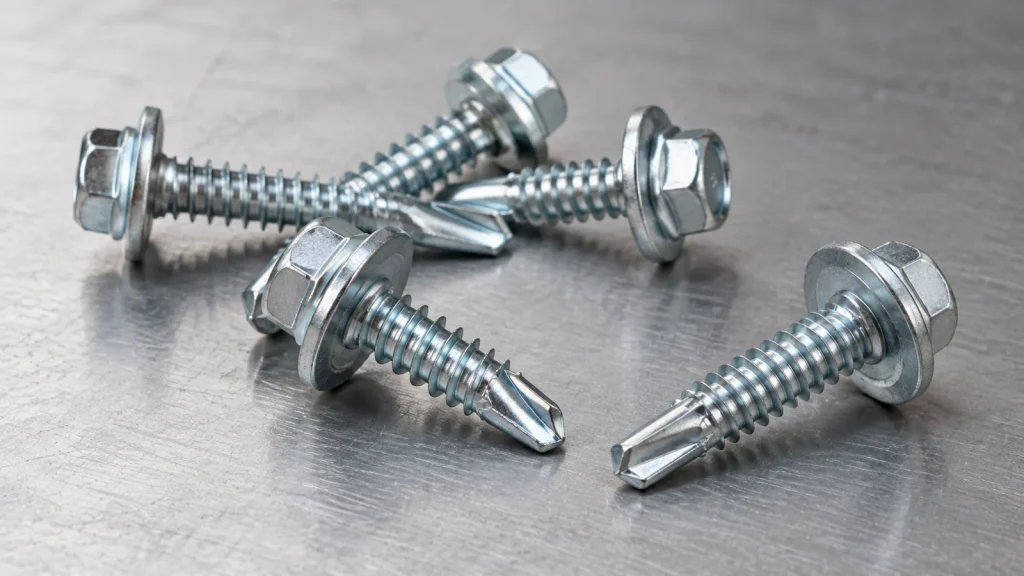
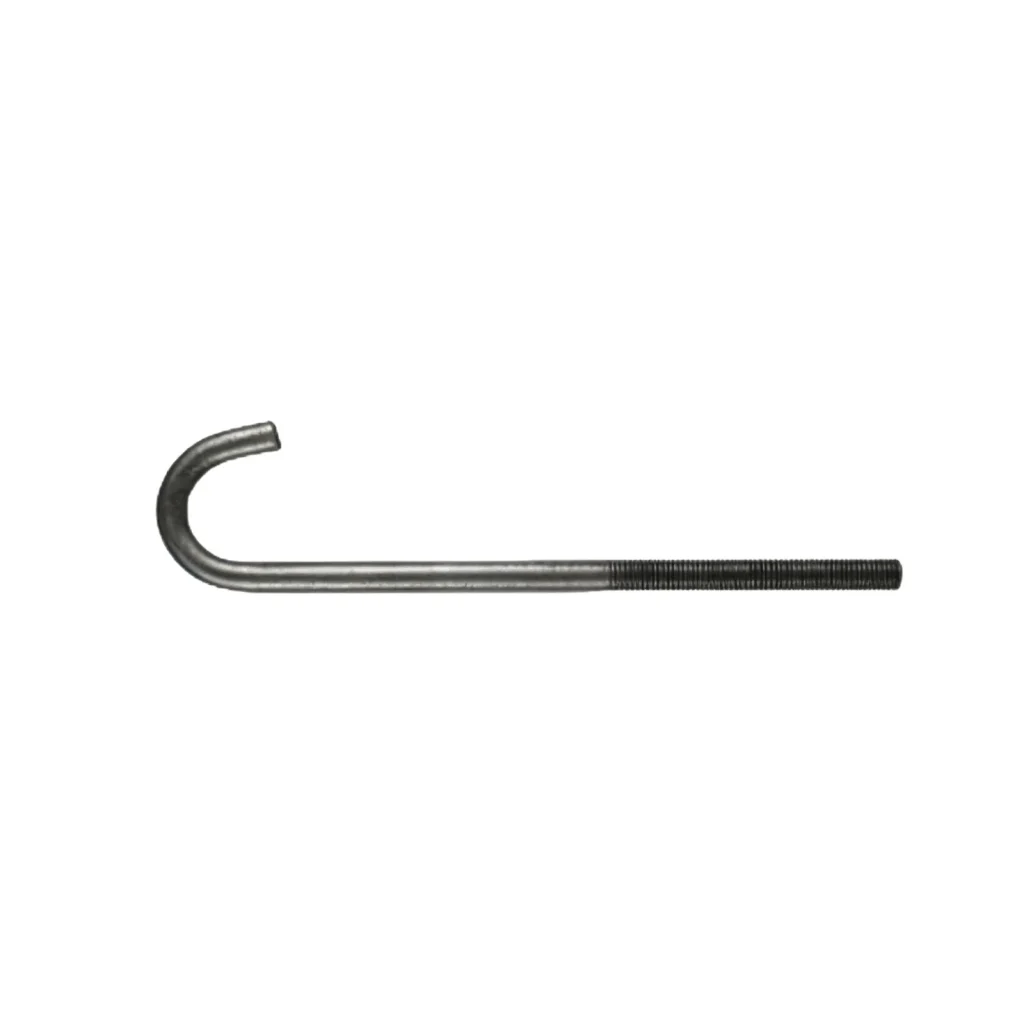
Check the anchor or fastener requirement before choosing the bit. The drill diameter, usable length, and drilling depth should follow the anchor’s installation instructions. A common mistake is selecting a bit by the visible screw or bolt size rather than by the required hole diameter for the anchor body.
Consider the job conditions. Deep holes need enough flute length to remove dust, and overhead drilling may require a dust extraction bit or a separate cleaning method. Worn tips, bent shanks, and clogged flutes can make holes oversized or rough, which can affect anchor seating.
For an inquiry, share the hammer drill model or shank type, hole diameter, drilling depth, base material, and the fastener or anchor being installed. If you are sourcing the bit together with fasteners, also confirm whether the supplier can advise on compatible drilling and installation details for that fastening system.