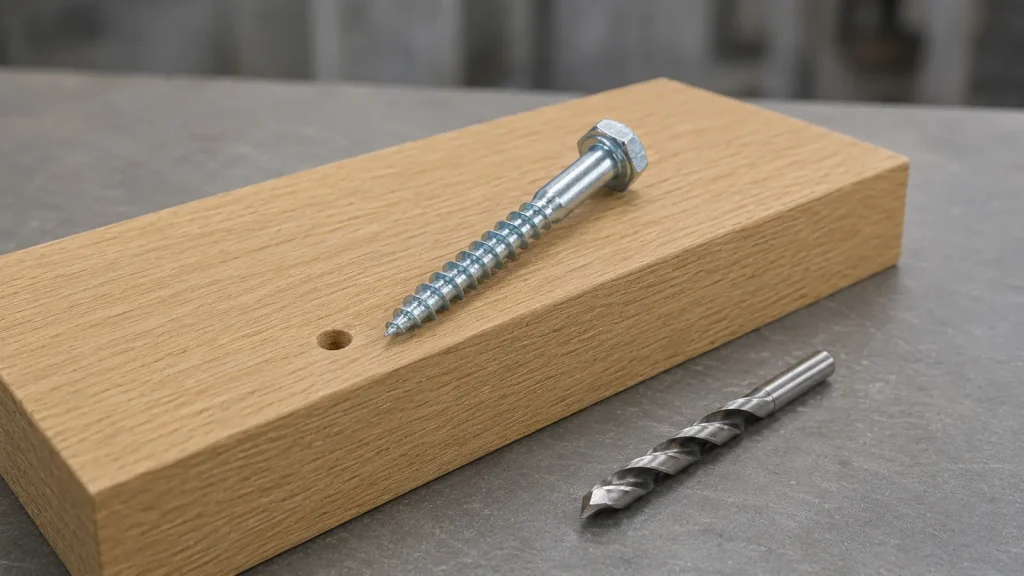
The key distinction is between fully threaded stud rod and cut-to-length studs. A fully threaded rod gives installers flexibility on site and works well for hanging, bracing, and adjustable assemblies. A cut stud is better when the finished length, exposed thread, and assembly position must stay consistent from part to part.
Material and coating matter as much as size. Plain steel may suit dry indoor assemblies, while zinc plated, hot-dip galvanized, stainless, or other finishes may be needed where corrosion, outdoor exposure, concrete contact, or chemical conditions are involved. Confirm the coating before choosing matching nuts and washers, because thick coatings can affect thread fit.
Start with the standard and thread requirement. Buyers often specify metric coarse thread, UNC, UNF, or another thread form without checking what the mating nut, anchor, coupling, or tapped hole actually uses. A small mismatch can look acceptable at first and still damage threads during assembly.
Choose the rod material and strength class according to the load path. A hanging bracket, a temporary jig, and a structural connection do not place the same demands on tensile strength, ductility, and traceability. If the rod will be tightened to a controlled preload, ask what grade marking, test certificate, or batch identification can be provided.
Match the surface finish to the environment and the installation method. Electro-zinc plating is common for general indoor use; hot-dip galvanizing is often considered for outdoor corrosion protection but can create a heavier coating on the thread. Stainless steel can help in corrosive settings, but the exact grade should be confirmed rather than assumed.
Before placing an order, send the diameter, thread pitch, total length, required standard, material or grade, finish, quantity, packaging preference, and whether rods must be supplied in full lengths or cut pieces. A drawing or sample photo is helpful when chamfered ends, special tolerances, deburring, or paired nuts and washers are needed.