UPVC Sheets for Roofing and Cladding | Hebei Wotu Fastener Manufacturing Co., Ltd.

UPVC Sheets for Roofing and Cladding

UPVC sheets are commonly selected for lightweight roofing, wall cladding, partitions and protective covers where resistance to moisture and many everyday chemicals matters. The main decision is matching the sheet profile and formulation to the application, rather than choosing by appearance alone.

For a roof or exterior wall, check the required coverage, support spacing, exposure to sunlight and local weather, then confirm that the sheet works with the planned fasteners, flashing and supporting structure.

Related Products

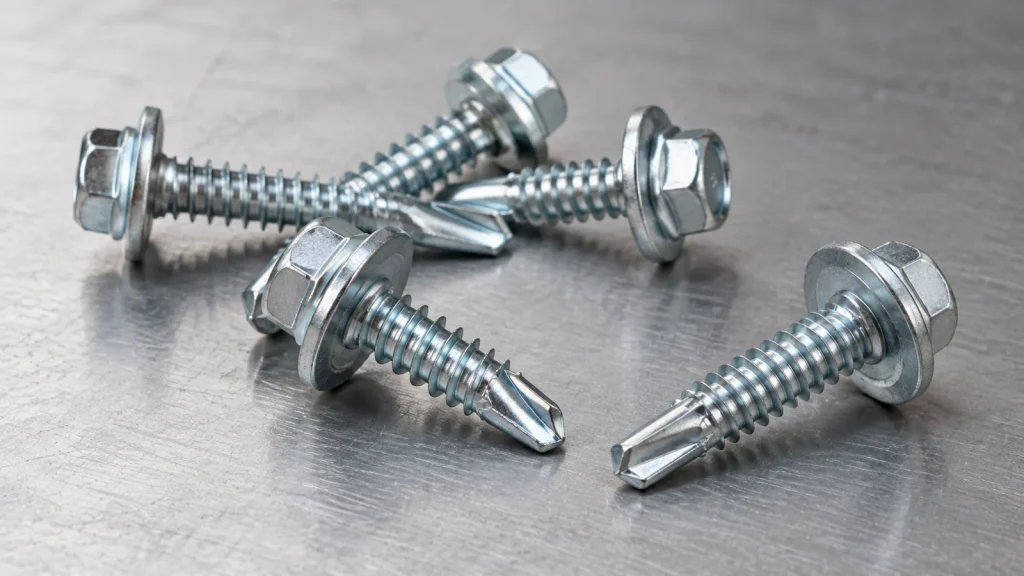
Dacromet Hex Head Self-Drilling Screw

Dacromet Hex Head Self-Drilling Screw

Brand: Hengzuan Surface: Dacromet anti-corrosion coating Specifications: in stock ST5.5/ST6.3 mainstream caliber, rod length 50mm~150mm, extended full range of specifications, supports nonstandard extra long customized, suitable for drilling steel sheet thickness 2~6mm Packaging: 25kg export cartons, full pallets wrapped with film, supports neutral export packaging, private-label customization

Read More
Blue-White Zinc Plated Winged Countersunk Head Self-Drilling Screw

Blue-White Zinc Plated Winged Countersunk Head Self-Drilling Screw

Brand: Hengzuan Surface: blue and white zinc plated, optional color zinc plated, black oxide treatment Specifications: in stock ST3.5/ST4.2/ST4.8 mainstream specifications, rod length 16~50mm full size range, supports nonstandard length customization, suitable for drilling steel sheets 2~5mm Packaging: 25kg cartons, full pallets packed on wooden pallets, support neutral packaging, private-label customization

Read More
Black Phosphated Winged Countersunk Head Self-Drilling Screw

Black Phosphated Winged Countersunk Head Self-Drilling Screw

Brand: Hengzuan Surface: high temperature black phosphated anti-rust treatment, blue zinc, color zinc plated coating can be replaced as needed Specifications: in stock ST3.5/ST4.2/ST4.8 common specifications, rod length 16mm~50mm, complete, supports nonstandard size customization, suitable for drilling steel sheets 2~5mm Packaging: 25kg cartons, whole wooden pallets, support neutral packaging, private-label customization

Read More
Painted Hex Head Self-Drilling Screw

Painted Hex Head Self-Drilling Screw

Brand: Hengzuan Surface: screw color zinc plated + hex head outdoor paint Specifications: ST5.5, ST6.3, rod length 25mm~120mm in stock, supports nonstandard customization, suitable for drilling steel sheets 2~5mm Packaging: 25kg cartons, whole wooden pallets

Read More
Blue-White Zinc Plated Pan Head With Pad Self-Tapping Screw

Blue-White Zinc Plated Pan Head With Pad Self-Tapping Screw

Brand: Hengzuan Surface: blue and white zinc plated Specifications: in stock ST4.2/ST4.8full range of specifications, length 13~50mm in stock, support nonstandard length customization Packaging: 25kg cartons, solid wood packaging, support neutral packaging, private-label customization

Read More

Compare UPVC sheet options by application and installation fit

UPVC sheet selection

Relevant UPVC sheet choices should be compared by application, profile, dimensions, effective coverage, surface finish, colour, light transmission, weather exposure and compatibility with the supporting structure and fixings. Confirm which of these options are available for your project before treating any specification as final.

Criterion What To Check Why It Matters Buyer Tip
Sheet formulation and intended exposure Ask whether the uPVC sheet is made for indoor use, outdoor exposure, chemical contact, cladding, lining, or fabrication work. Different formulations handle sunlight, cleaning chemicals, impact, and temperature changes differently. A sheet that works for interior panels may not suit outdoor or corrosive areas. What environment will the sheet face every day, and is the grade recommended for that exposure?
Thickness and stiffness for the application Compare the sheet thickness, flatness tolerance, and recommended support spacing for your panel size. Thin sheets are easier to cut and bend but may flex, oil-can, or need closer support. Thicker sheets add rigidity but can be heavier and harder to form. For my panel size and fixing method, what thickness do you recommend to avoid sagging or visible deflection?
Surface finish and colour consistency Confirm whether the sheet has a gloss, matte, embossed, or protective-film surface, and ask how colour matching is controlled between batches. Finish affects appearance, cleanability, scratch visibility, and bonding. Batch colour variation can matter when sheets sit side by side on a wall or enclosure. Can sheets for the same project be supplied from the same batch or with a confirmed colour reference?
Fabrication method compatibility Tell the supplier if the sheet will be cut, drilled, thermoformed, welded, bonded, or mechanically fixed. Some uPVC sheets machine cleanly but need correct tooling, adhesives, or welding conditions. Poor matching can cause cracks, weak joints, or rough edges. Which cutting, bonding, or welding method is suitable for this sheet grade?
Size, packaging, and transport protection Verify available sheet sizes, cutting options, protective film, pallet packing, and how corners and surfaces are protected in transit. Large plastic sheets can scratch, bow, or chip at corners during handling. Correct packing reduces waste before installation or fabrication starts. Can the sheets be supplied cut to size, and how will the faces and edges be protected during delivery?

Choose the right UPVC sheet for roofing, cladding or partitions

The key distinction is between sheets intended for roofing and those intended for flat cladding, lining or partition work. Roofing sheets need a profile that manages drainage and provides suitable support; flat sheets may be easier to cut and finish but can require closer support to control flexing.

Opaque UPVC is useful when shade, privacy or protection is more important than daylight. If natural light is required, ask whether a compatible translucent material or sheet section is available, rather than assuming a standard UPVC sheet will provide it.

Start with the application and environment. For outdoor use, ask about UV resistance, expected temperature exposure, moisture, wind and the presence of oils, acids or cleaning chemicals. A sheet suitable for a sheltered partition may not be the right choice for an exposed roof or industrial enclosure.

Match the sheet profile, thickness and support arrangement to the load and span. Consider rainwater flow, overlaps, edge finishing and movement caused by temperature changes. A common mistake is selecting a sheet by nominal width without checking its effective covered width after overlap.

Check installation compatibility before ordering. Confirm the profile, fixing method, washers, trim and flashing details together; mismatched accessories can cause leaks, cracking or poor alignment. Do not assume that a fastener suitable for one sheet material or support will suit UPVC.

For an enquiry, provide the application, indoor or outdoor location, approximate sheet dimensions, required colour or light transmission, support arrangement and exposure to chemicals or weather. Ask the supplier to confirm the intended use, available profile, effective coverage, installation accessories and any handling limitations.

Criteria Importance Description Example Options
Application and sheet profile Critical because drainage, stiffness and support needs differ by use. Choose between a profiled section for roofing or drainage-focused work and a flat sheet for cladding, lining, partitions or covers. The supporting structure should match the selected form. A roof may require a profiled sheet with planned overlaps, while an indoor partition may use a flat panel.
Opaque or translucent construction Important when privacy, shade or natural light affects the space. Opaque material limits visibility and daylight, while a translucent alternative can brighten a covered area but may change heat, privacy and visual-comfort requirements. Use an opaque section for a privacy screen; consider a compatible translucent section for a daylighting area.
Outdoor and chemical exposure Critical for service life and material compatibility. Check resistance to sunlight, temperature changes, moisture, oils, acids, solvents and cleaning agents expected at the site. A material suitable for a sheltered indoor use may not suit an exposed or industrial environment. A workshop enclosure exposed to cleaning chemicals needs a confirmed compatibility check rather than a colour-based selection.
Effective coverage and dimensions Important for quantity planning, overlap design and installation alignment. Compare usable covered width and length, not only the nominal sheet size. Overlaps, edge trimming and layout can change the area covered by each sheet. A roofing estimate should account for side and end overlaps before the required sheet quantity is calculated.
Fixings, trims and support arrangement Critical because mismatched accessories can cause leaks, cracking or poor alignment. Confirm that fasteners, washers, flashing, trims and support spacing suit the selected sheet profile and the underlying structure. Treat the sheet and its installation accessories as one system. A profiled roof section may need profile-matched washers and edge flashing, while a flat panel may require different finishing details.

Blog Articles / Reviews

Hex Head Self-Drilling Screws with Cup Washers: Choosing Drill Point and Length

Hex Head Self-Drilling Screws with Cup Washers: Choosing Drill Point and Length

Choosing a hex head self-drilling screw with a cup washer requires more than selecting ST5.5 or ST6.3 and a nominal length. The drilling point must suit the steel it penetrates; the threaded section must engage the intended supporting material; and the head-and-washer assembly must seat correctly on the outer panel. A screw’s drilling capacity is […]

What Is a Fastener? Types, Functions and Industrial Uses

What Is a Fastener? Types, Functions and Industrial Uses

A fastener is a hardware component that mechanically joins or secures parts. Common examples include screws, bolts, nuts and rivets; washers are supporting components used in many fastening assemblies. Some connections can be dismantled by removing threaded fasteners, while others, such as riveted joints, normally require the fastener to be destroyed during removal. In industrial […]

Definition of Self-Drilling Screw

Definition of Self-Drilling Screw

A screw is a tool that uses the physical and mathematical principles of inclined planes, circular rotation, and friction to gradually tighten objects and machine parts. A self-drilling screw is a screw with a self-tapping drill bit at its tip. Screws are a common invention of humankind throughout history, and in terms of application, they […]

Applications of Self-Drilling Screws in Daily Life

Applications of Self-Drilling Screws in Daily Life

The use of self-drilling screws is becoming increasingly widespread in everyday home renovations and large-scale industrial manufacturing. So, what are the specific applications of self-drilling screws? How can we quickly determine whether or not we should use them? Let Hebei Wotu Fastener Manufacturing Co., Ltd. show you! The tail of a self-drilling screw is shaped […]

Frequently Asked Questions

Are these sheets suitable for an exposed roof?

They may be suitable when the profile, weather resistance, support arrangement and fixing system match the roof design. Confirm the expected sunlight, temperature, wind, drainage and span conditions rather than assuming a sheet intended for a sheltered partition will perform the same way outdoors.

When would polycarbonate be a better alternative?

Polycarbonate is often considered when daylight, impact resistance or a lighter translucent covering is a priority. UPVC may be preferable where opacity, moisture resistance or resistance to selected everyday chemicals matters, so the choice should follow the application rather than colour alone.

Does a thicker sheet always provide the best result?

No. Thickness affects stiffness and handling, but the profile, support spacing, fixing method and expected loads also influence performance. A thicker flat sheet can still flex if the support arrangement is unsuitable, while a profiled sheet may provide better drainage and rigidity for some applications.

Can a standard fixing set be used with any profile?

Not necessarily. Fastener length, washer type, fixing position, trims and flashing must suit the sheet profile and supporting structure. Ask the supplier to confirm the complete installation arrangement before ordering, especially where movement, water runoff or chemical exposure is expected.

What information should accompany a purchasing enquiry?

Provide the application, indoor or outdoor location, approximate dimensions or covered area, support spacing, colour or light-transmission requirement and exposure to weather or chemicals. Also request confirmation of the available profile, effective covered width, compatible accessories and any handling limitations.

Leave Your Message

Tell us the application, required sheet dimensions or covered area, and whether the sheets will be used indoors or outdoors. Include any colour, translucency, chemical-exposure or fixing requirements so the available options can be checked accurately.