Wedge Anchor Fasteners | Hebei Wotu Fastener Manufacturing Co., Ltd.

Wedge anchor fasteners for concrete fixing

A wedge anchor fastener is usually chosen for fixing steel plates, brackets, machinery bases, guardrails, racking, and other fixtures into concrete. The main decision is not only the anchor diameter or length; it is whether the base material, load direction, hole condition, embedment, and exposure environment suit a mechanical expansion anchor.

For a buyer, the right enquiry should make the installation condition clear. A wedge anchor that works well in solid concrete may be a poor choice for weak concrete, cracked zones, oversized holes, edge locations, or corrosive outdoor service unless the design and material are selected accordingly.

Related Products

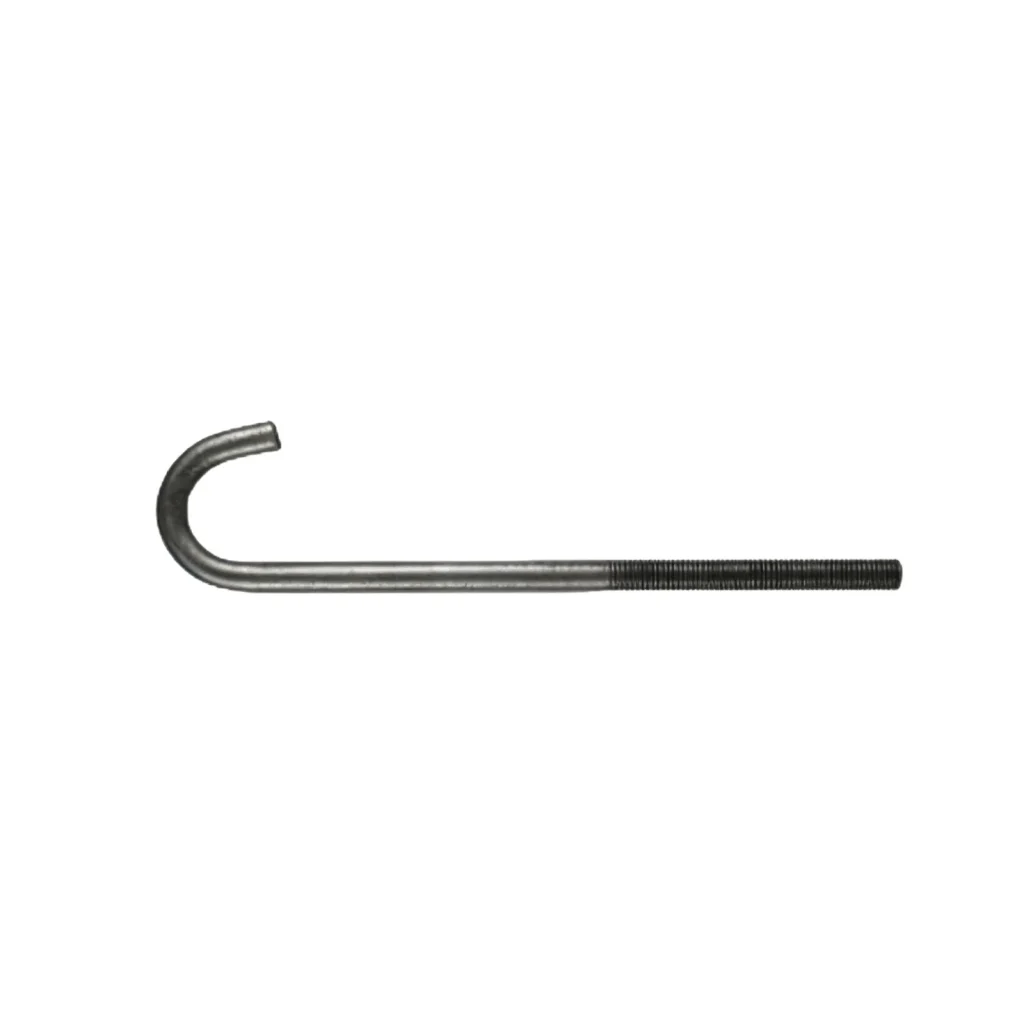
7-letter, 9-letter L-shaped anchor bolt (Chinese national standard GB/T799-1988 embedded anchor screw)

7-letter, 9-letter L-shaped anchor bolt (Chinese national standard GB/T799-1988 embedded anchor screw)

Brand: Wotu Surface: Natural black oxide treatment, customized hot-dip galvanized, zinc plated as required Specifications: Follow Chinese national standard GB/T799-1988, in stock M12-M48, total length 120mm~1500mm, nonstandard customized diameter, bending length, total screw length available Matching: Nuts, flat washers and spring washers of the same specification can be supplied in complete sets. Packaging: Bundling and packaging, using wooden pallets and film-wrapped export packaging in large quantities

Read More
U-bolt ( / U-bolt, M10/M12/M16/M20/M24 multiple specifications)

U-bolt ( / U-bolt, M10/M12/M16/M20/M24 multiple specifications)

Brand: Wotu Surface: natural black oxide / hot-dip galvanized / blue-white zinc plated, multiple processes available Specifications: Based on common industry drawing parameters, suitable for pipe diameter 25mm~139.7mm, screw diameter M10~M24, total length can be nonstandard customized Matching: can be matched with nut, flat washer and spring washer of the same specifications for complete shipment Packaging: Bundling and packaging + 25kg export carton, full-container wooden pallet wrapped with film, supports private-label export packaging

Read More
White Zinc Plated Hex Head Self-Drilling Screw

White Zinc Plated Hex Head Self-Drilling Screw

Brand: Hengzuan Surface: blue and white zinc plated, optional black oxide, color zinc plated coating Specifications: in stock 4.2/4.8/5.5/6.3mm wire diameter, length 16mm~165mm full size range, supports nonstandard customized rod length Packaging: 25kg export cartons, full-container wooden pallets wrapped with film, supports neutral packaging, private-label customization

Read More
Hex Head No. 5 Point Self-Drilling Screw

Hex Head No. 5 Point Self-Drilling Screw

Brand: Wotu Surface: blue and white zinc plated, customized color zinc plated, Dacromet anti-corrosion coating available Specifications: ST5.5, ST6.3 mainstream specifications, rod length 20mm~125mm, full size range in stock, support nonstandard customization, drilling to adapt to steel sheet 2-6mm Packaging: 25kg cartons, whole wooden pallets

Read More
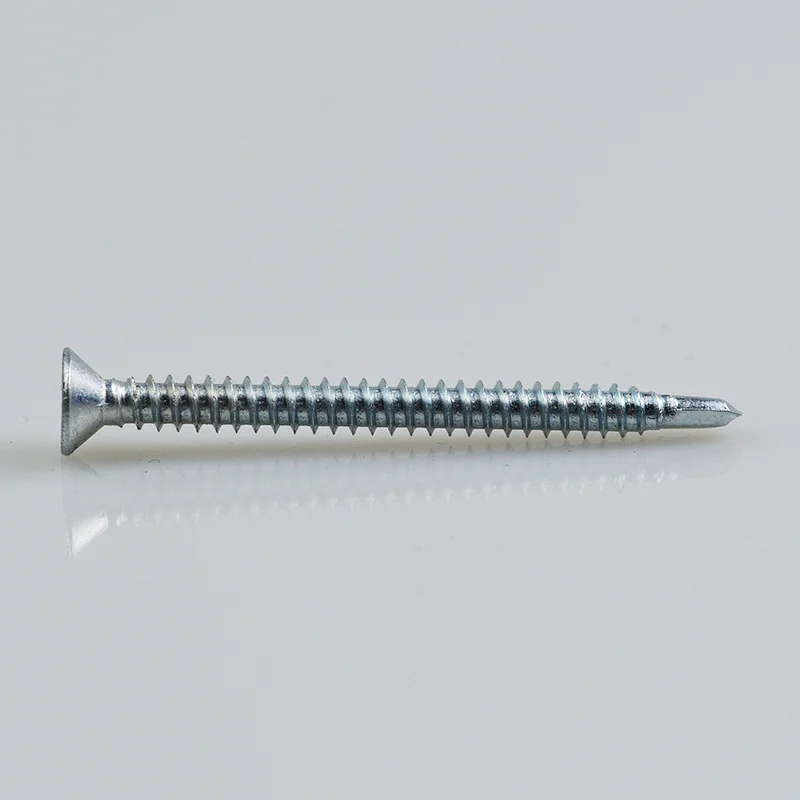
Countersunk Head Blue Zinc Self-Drilling Screw

Countersunk Head Blue Zinc Self-Drilling Screw

Brand: Hengzuan Surface: blue and white zinc plated, can be customized color zinc plated, black oxide plated Specifications: in stock 3.5/3.9/4.2/4.8/5.5 mainstream wire diameter, rod length 13mm~75mm full size range, nonstandard length can be customized as needed Packaging: 25kg export cartons, full wooden pallets wrapped with film, supports neutral export packaging, private-label customization

Read More

Key details for selecting a wedge anchor fastener

Selection criteria

Useful selection criteria for a wedge anchor fastener include base material, load direction, anchor diameter, overall length, thread length, embedment, fixture thickness, washer and nut requirements, coating or stainless material, and the installation conditions on site. If a project drawing names a standard, grade, approval, or finish, include that reference with the enquiry rather than substituting a similar-looking anchor.

Criterion What To Check Why It Matters Buyer Tip
Base material and concrete condition Confirm the anchor is intended for the actual substrate, such as cracked or uncracked concrete, and check whether the hole location avoids edges, joints, and weak concrete. Wedge anchors rely on expansion inside the drilled hole. Poor concrete, wrong substrate, or tight edge distances can reduce holding performance and cause cracking. What concrete type, strength condition, edge distance, and spacing will the wedge anchor be installed in?
Diameter, length, and embedment depth Compare the required fixture thickness, hole depth, and minimum embedment before choosing the anchor size. An anchor that is too short may not expand deep enough; one that is too long can bottom out or leave too much thread exposed. What fixture thickness and embedment depth should the selected wedge anchor allow for?
Load direction and service demand Separate tension, shear, and combined loads, and confirm if the installation will face vibration, repeated loading, or occasional impact. A wedge anchor fastener that works for a static bracket may not be suitable for machinery bases, guardrails, or other dynamic applications. Will the anchor mainly resist pull-out, sideways shear, vibration, or a combination of these loads?
Material and corrosion protection Match the anchor material or surface finish to the environment, such as dry indoor use, humid areas, outdoor exposure, or contact with treated materials. Corrosion can reduce thread engagement and expansion reliability over time, especially in damp or exterior installations. What environment will the anchor be exposed to, and is carbon steel, zinc-plated, hot-dip galvanized, or stainless steel more appropriate?
Installation method and hole preparation Verify the required drill diameter, hole cleaning steps, anchor setting procedure, and torque guidance before ordering. Wedge anchors are sensitive to hole size and installation quality. Oversized holes, dust, or incorrect tightening can lead to weak fastening. Can you provide the drill size, hole cleaning requirement, and tightening instructions for the anchor size being quoted?

What to confirm before ordering wedge anchors

The useful distinction is between wedge anchors and other concrete anchors such as sleeve anchors, drop-in anchors, chemical anchors, and through bolts. A wedge anchor expands near the embedded end when the nut is tightened, so it gives strong mechanical holding in suitable concrete, but it also depends heavily on correct hole drilling, cleaning, embedment, spacing, and torque.

That matters because a wedge anchor is not a universal repair part. If the fixture must be removable, if the concrete strength is uncertain, if the anchor sits close to an edge, or if vibration and dynamic loading are present, the buyer should confirm whether a wedge anchor is still the right style or whether another anchoring method is safer for the application.

Start with the base material and the load path. Wedge anchors are intended for concrete rather than hollow block or soft masonry. Tell the supplier whether the load is mainly tensile, shear, or combined, and whether the anchor will hold a static fixture, vibrating equipment, a safety barrier, or a structural connection. These details change the suitable anchor type and installation assumptions.

Match the anchor size to the fixture and embedment, not just to the hole you already drilled. Buyers sometimes order by visible thread size and forget fixture thickness, washer and nut allowance, required projection, and minimum embedment. That can leave too little thread above the nut or too little anchor engaged in the concrete.

Choose the finish or material for the environment. Indoor dry concrete may not need the same corrosion resistance as outdoor, coastal, washdown, or chemical-exposure areas. Ask what material grade and surface treatment are available, and confirm whether the anchor will contact dissimilar metals or treated components that could accelerate corrosion.

Before placing an order, provide the anchor diameter and length needed, fixture thickness, concrete condition, exposure environment, and any project standard or drawing reference. If the job has edge distances, close anchor spacing, cracked concrete, seismic requirements, or inspection requirements, raise those points before confirming the specification.

Criteria Importance Description Example Options
Base material Critical to anchor type selection Mechanical wedge anchors need suitable solid concrete to expand and grip correctly. Hollow masonry, weak concrete, or uncertain base material can require a different fastening method. A steel bracket fixed to a concrete slab may suit a wedge anchor; a fixing into hollow block may need another anchor style.
Fixture thickness and embedment Directly affects usable length and installation fit The anchor must pass through the fixture, provide enough embedment in concrete, and still leave enough thread for the washer and nut. Ordering by diameter alone often leads to poor projection or shallow engagement. A thicker base plate may require a longer anchor than a thin angle bracket using the same diameter.
Load condition Important for deciding whether a wedge anchor is appropriate Static, tensile, shear, combined, vibrating, or safety-related loads place different demands on the fixing. Some applications need engineering review, project approval, or another anchoring method. A light equipment guard and a vibrating machine base should not be treated as the same anchoring case.
Environment and corrosion exposure Important for service life and material choice Dry indoor service may allow a different finish from outdoor, wet, coastal, washdown, or chemically exposed areas. Material and coating should be confirmed before ordering. An anchor inside a warehouse and an anchor on an exterior handrail may need different corrosion resistance.
Anchor alternative Useful when installation conditions are not ideal Wedge anchors are fast and strong in suitable concrete, but sleeve anchors, drop-in anchors, through bolts, or chemical anchors may fit better depending on removability, hole condition, edge distance, and fixture design. A removable threaded connection may point toward a drop-in anchor, while an irregular drilled hole may lead a buyer to ask about a bonded anchor.

Blog Articles / Reviews

Anchor Bolts: 7 Ordering Errors That Cause Site Rework

Anchor Bolts: 7 Ordering Errors That Cause Site Rework

ost anchor bolt ordering errors come from incomplete drawings, unclear dimensions, unsuitable material or coating choices, undefined tolerances, and mismatched nuts or washers. These mistakes affect steel fabricators, EPC contractors, equipment installers, importers, and distributors because anchor bolts are usually embedded before the connected structure arrives on site. Once concrete has cured, even a small […]

Oxidation Treatment Specifications for Self-Drilling Screw Fasteners

Oxidation Treatment Specifications for Self-Drilling Screw Fasteners

The surface treatment of self-drilling screws requires specific procedures. What manufacturing processes are generally used for surface treatment? Hebei Wotu Fastener Manufacturing Co., Ltd. will explain oxidation treatment below. The surface treatment of self-drilling screws requires specific procedures. What manufacturing processes are generally used for surface treatment? Hebei Wotu Fastener Manufacturing Co., Ltd. will explain […]

National Standards for Self-Drilling Screws – Fasteners

National Standards for Self-Drilling Screws – Fasteners

When using fasteners, are you familiar with the standards governing them? Today, Hebei Wotu Fastener Manufacturing Co., Ltd. will discuss the national standards for fasteners with you. Let’s take a look. 1. Standards for Fastener Product Dimensions: These specifically define the basic dimensions of the product; for threaded products, this also includes the basic dimensions […]

Applications of Anchor Bolts

Applications of Anchor Bolts

Fixed anchor bolts, also known as short anchor bolts, are cast in with the foundation and used to secure equipment that does not experience strong vibration or impact. 1. Fixed anchor bolts, also known as short anchor bolts, are cast in with the foundation and used to secure equipment that does not experience strong vibration […]

Frequently Asked Questions

Can this anchor be used in brick, block, or hollow masonry?

A wedge anchor is generally intended for solid concrete, where the expansion clip can grip the drilled hole properly. For brick, hollow block, or soft masonry, a sleeve anchor, frame fixing, chemical anchor with screen sleeve, or another masonry-specific fixing may be more suitable.

How is a wedge anchor different from a chemical anchor?

A wedge anchor holds by mechanical expansion, so installation is fast and does not depend on resin curing. A chemical anchor bonds the stud into the hole and may suit some edge, spacing, or irregular-hole conditions better, but it requires correct hole cleaning, resin selection, temperature control, and curing time.

Is a longer anchor always stronger?

Not necessarily. Length must cover fixture thickness, washer and nut allowance, required projection, and embedment, but extra length does not solve poor concrete, wrong hole size, edge distance problems, or unsuitable loading. The useful question is whether the selected length provides the required embedment and thread projection for the actual fixture.

What is a common ordering mistake with concrete anchors?

A frequent mistake is ordering only by diameter and overall length without checking fixture thickness and required thread projection. Another is assuming the drilled hole on site matches the anchor size; oversized, dusty, or poorly drilled holes can reduce holding performance.

What information should be sent with an enquiry?

Send the required diameter and length, fixture thickness, concrete application, load direction if known, indoor or outdoor exposure, and desired finish or material. If the project drawing names a standard, grade, approval, or installation requirement, include that reference instead of relying on a similar description.

Leave Your Message

Send the anchor diameter and length, fixture thickness, concrete application, and required finish or material. If you have a drawing, load requirement, or project standard, include it so the enquiry can be checked against the actual installation.