

Ankerbolt Selection Guide | Hebei Wotu Fastener Manufacturing Co., Ltd.
Anchor Bolts for Concrete and Masonry Fixing
An ankerbolt, often specified as an anchor bolt, fixes steelwork, machinery, brackets, base plates and structural components to concrete or masonry. The main buying decision is not just bolt size; it is the load, base material, installation method and site condition the fixing must handle.
For a reliable inquiry, confirm the application first: cast-in concrete, post-installed anchoring, equipment hold-down, façade support, railing, column base or general construction fastening. That context changes the anchor style, material, thread requirements and finish.
Key checks before specifying anchor bolts
The key distinction is between anchors installed before the concrete cures and anchors installed after the concrete is already in place. Cast-in anchor bolts suit planned foundations and structural base plates where placement can be controlled before pouring. Post-installed anchors suit retrofit work, repairs and equipment installation on existing slabs or walls.
This matters because the wrong type can create installation delays or weak fixing points. A heavy machine base, for example, may need different embedment planning and alignment control than a light-duty bracket fixed after construction. The buyer should also check whether the job calls for expansion, chemical, sleeve, wedge or other anchor formats before confirming material and finish.
Start with the load path and base material. A bolt used in cracked concrete, dense concrete, brick or stone may need a different anchoring principle. Static loads, vibration, pull-out force, shear force and edge distance all affect the suitable anchor type. If drawings are available, share them rather than ordering from diameter alone.
Choose the material and surface finish for the environment. Indoor dry locations may allow a simpler finish, while outdoor, humid or corrosive sites may require stronger corrosion resistance. Confirm whether the fastener must match other metal components to reduce corrosion risk at the connection.
Check installation tolerance before ordering. Cast-in bolts require accurate positioning, projection height and thread protection during the concrete pour. Post-installed anchors need correct drilling, hole cleaning and installation depth. A common mistake is choosing a bolt that looks correct on paper but leaves too little thread engagement for the nut, washer and base plate.
Send the application details with the inquiry. Useful information includes anchor type if already specified, diameter and length, thread requirement, material or coating preference, quantity, drawing or standard, and whether the bolts are for new concrete or existing concrete. If the specification is not final, ask which information is needed to match the anchor to the job.
| Criteria | Importance | Description | Example Options |
|---|---|---|---|
| Installation timing | Usually a primary decision | The choice changes depending on whether the anchor is placed before concrete curing or installed into an existing slab, wall or foundation. | A new machine foundation may use cast-in bolts, while a retrofit bracket may need a drilled post-installed anchor. |
| Anchor principle | Important for holding method and site conditions | Expansion, wedge, sleeve and chemical anchors work differently. The right option depends on the base material, load direction, edge distance and installation tolerance. | A fixing near an edge may need different consideration than one placed in the middle of a large concrete pad. |
| Material and surface finish | Important for service life | Indoor dry use, outdoor exposure, humidity and contact with other metals can affect the suitable material or coating. Corrosion resistance should match the environment rather than be chosen by appearance alone. | A sheltered indoor equipment base and an exposed outdoor support frame may call for different finishes. |
| Thread and projection requirements | Often overlooked but critical during assembly | The anchor must leave enough usable thread for the base plate, washer, nut and any leveling or adjustment requirement. Too little projection can stop assembly even if the anchor diameter is correct. | A thick base plate may require more exposed thread than a light bracket. |
| Base material condition | Can change the suitable anchor type | Solid concrete, cracked concrete, brick, stone and hollow masonry do not behave the same under load. The buyer should confirm the receiving material before finalizing the anchor. | An anchor suitable for dense concrete may not be suitable for weak or hollow masonry. |
Product Selection
Related Options
For a real project, the priority is fit for the fixing condition. A column base, equipment skid, handrail post and wall bracket may all use anchor bolts, but each one puts different demands on embedment, adjustment, corrosion resistance and installation access.







Blog Articles / Reviews
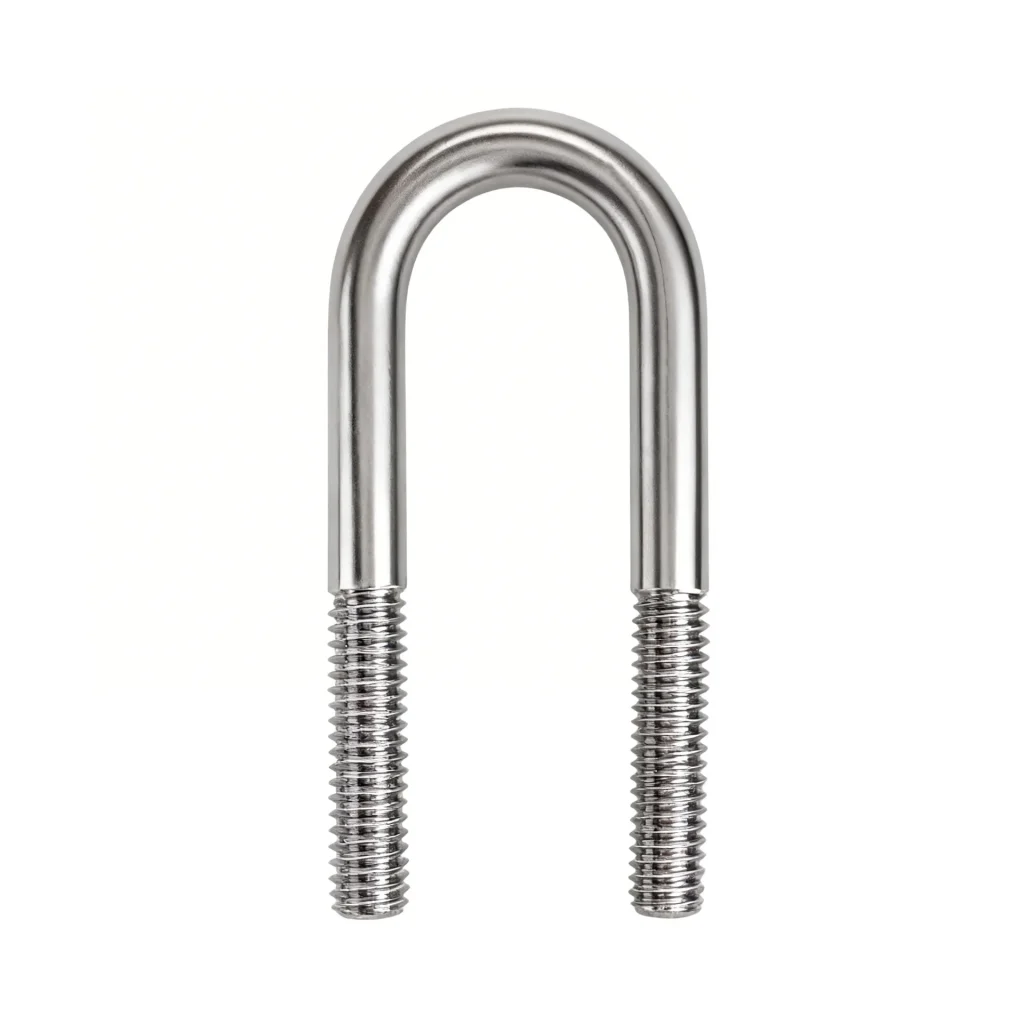
Which U-Bolt Measurements Must Buyers Provide Before a Quote?
For an M10–M24 U-bolt RFQ, buyers should send a dimensioned drawing that defines thread diameter, inside width, leg or overall length, bend geometry, thread length, application diameter, material or grade requirement, surface finish, matching nuts/washers, quantity, and packing needs. Nominal thread size alone is not enough because different measurement datums can produce U-bolts that look […]
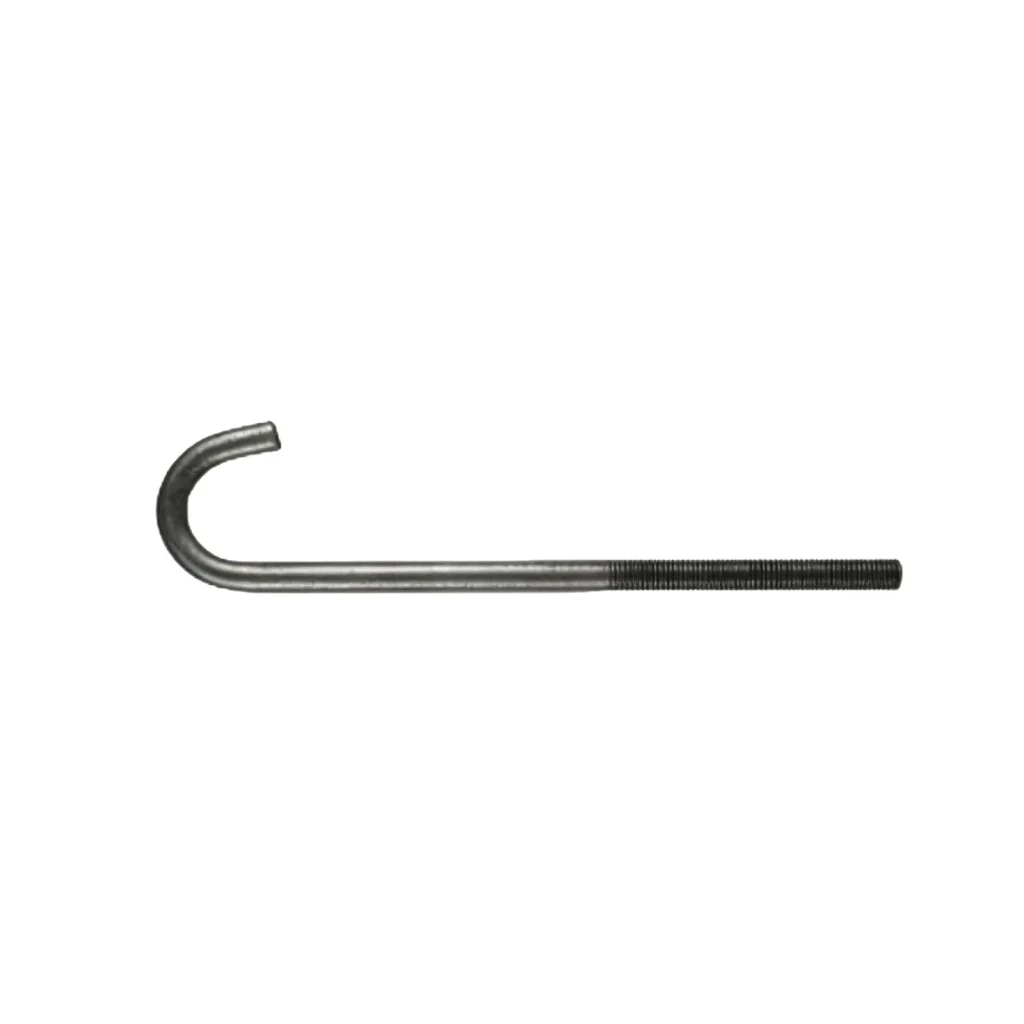
What Must Buyers Verify Before Ordering L-Shaped Anchor Bolts to an Older Standard?
When ordering L-shaped anchor bolts against an older standard, buyers should verify the standard’s current status, confirm the specification approved for the project, and reconcile the drawing, dimensions, material and foundation interface before releasing the purchase order. A legacy standard number on a product page or old drawing is not, by itself, sufficient evidence that […]
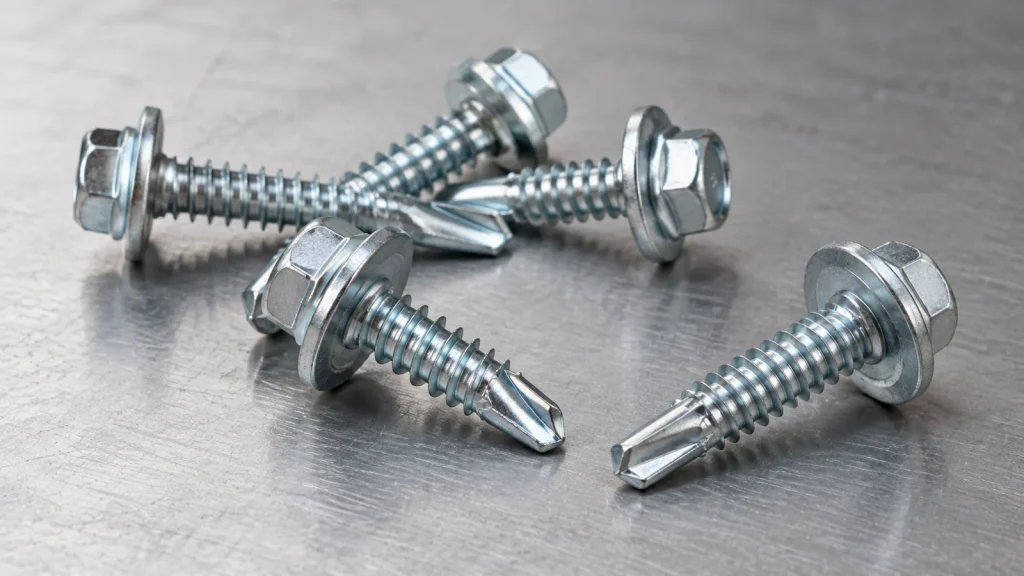
Hex Head Self-Drilling Screws with Cup Washers: Choosing Drill Point and Length
Choosing a hex head self-drilling screw with a cup washer requires more than selecting ST5.5 or ST6.3 and a nominal length. The drilling point must suit the steel it penetrates; the threaded section must engage the intended supporting material; and the head-and-washer assembly must seat correctly on the outer panel. A screw’s drilling capacity is […]
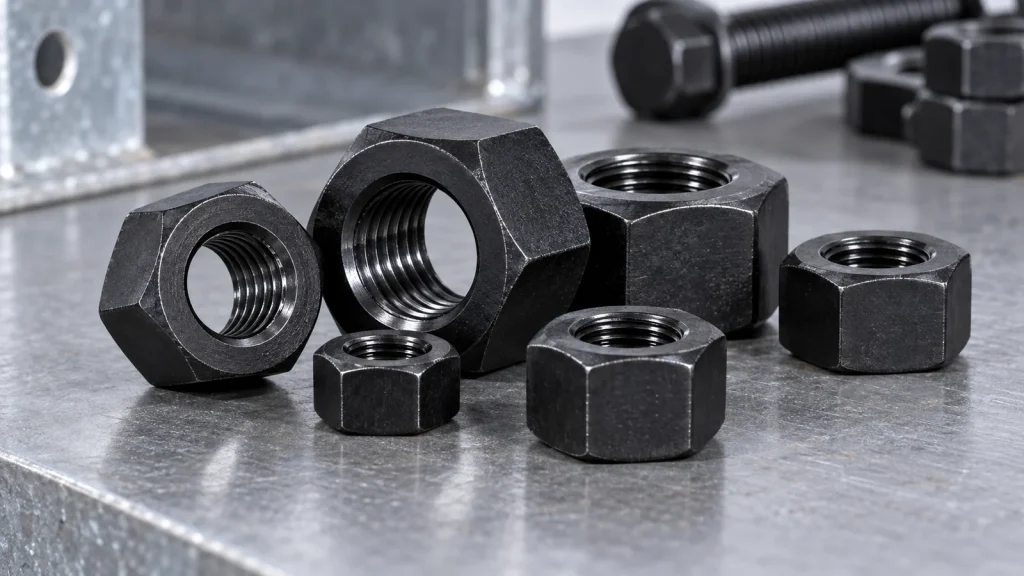
Grade 8 vs Grade 10 Hex Nuts: Strength Class and Bolt Compatibility
Class 8 and class 10 metric hex nuts are not interchangeable labels for bolt strength. They identify different nut property classes, while the suitability of either nut depends on the mating bolt, thread dimensions, nut style and the relevant specification. A black oxide finish adds another purchasing variable: it describes a surface treatment, not a […]
How to Choose Self-Tapping Screws for Plastic Parts
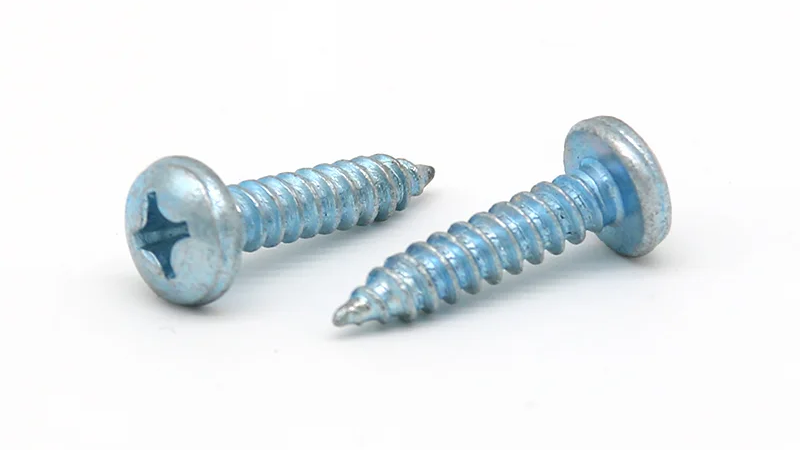
Choose self-tapping screws for plastic by matching the thread design to the resin, pilot hole and surrounding plastic, then checking head seating, thread engagement and tightening conditions on actual parts. Screw diameter alone cannot establish a suitable hole size or installation torque. This guide concerns metal screws fastening into plastic components. These screws create their […]

What Is a Fastener? Types, Functions and Industrial Uses
A fastener is a hardware component that mechanically joins or secures parts. Common examples include screws, bolts, nuts and rivets; washers are supporting components used in many fastening assemblies. Some connections can be dismantled by removing threaded fasteners, while others, such as riveted joints, normally require the fastener to be destroyed during removal. In industrial […]
Frequently Asked Questions
Should I use a cast-in bolt or a post-installed anchor?
Use a cast-in bolt when the concrete has not been poured and the anchor position can be set accurately in advance. Use a post-installed anchor when the concrete or masonry already exists, such as retrofit equipment mounting, repair work or bracket installation.
Is diameter enough information to buy the right anchor?
No. Diameter is only one part of the specification. Length, embedment, thread length, base plate thickness, material, coating, load direction and installation condition can all change the correct choice.
What is the trade-off between mechanical and chemical anchoring?
Mechanical anchors are often chosen for straightforward installation where expansion or wedging is suitable for the base material. Chemical anchoring can help where the fixing needs resin bonding or where expansion force is a concern, but it depends heavily on correct hole cleaning, curing and installation conditions.
What details should be sent with an inquiry?
Send the drawing or anchor type if available, diameter, total length, thread requirement, material or finish preference, quantity, and whether the fixing is for new or existing concrete. If the design is not final, also describe the component being fixed and the working environment.
Can the same anchor be used for concrete, brick and stone?
Not always. Different base materials grip anchors differently, and hollow or weak masonry may not support the same fixing method as solid concrete. Confirm the base material before choosing the anchor style and installation depth.
Leave Your Message
Send the anchor type or drawing, required diameter and length, material or coating preference, and whether the fixing is for new concrete or an existing base.