

Battery Operated Reciprocating Saw Selection Guide | Hebei Wotu Fastener Manufacturing Co., Ltd.
Choose a Battery-Operated Reciprocating Saw
A battery-operated reciprocating saw suits demolition, maintenance, pipe cutting, pruning and other work where a cord restricts movement. The main buying decision is matching the saw's power, runtime and handling to the material and the number of cuts required.
Choose the tool around the blade and application rather than the battery alone. A compact saw may be easier to control in confined spaces, while a larger model may better suit repeated cutting of tougher materials.
Choose the right saw for your cutting work
The key distinction is between a compact saw for occasional, controlled cuts and a heavier saw for demanding or repeated work. Compact models generally reduce fatigue and are easier to position, while heavier designs may offer better stability and sustained cutting ability.
Battery compatibility also matters. A saw that shares batteries with tools already used by your team can reduce charger and battery duplication, but a proprietary battery system may limit future replacement choices. Confirm platform compatibility before ordering.
Start with the materials and applications: wood, metal, plastic, pipe, branches and mixed demolition work require different blade types and cutting characteristics. Ask which blade shank format the saw accepts, whether suitable blades are included, and how easily blades can be changed.
Consider runtime against portability. For work away from power outlets, plan for the expected number of cuts, access to spare batteries and charging arrangements. Avoid choosing a saw solely on stated battery voltage; battery capacity, cutting load and work pattern also affect how often charging is needed.
Check handling features before buying. Weight, grip shape, trigger control, vibration, shoe adjustment and visibility around the blade affect accuracy and fatigue, especially during overhead work or in tight spaces. A tool that is difficult to control can slow the job even if it has ample power.
For an enquiry, provide the material, approximate thickness or diameter, intended use and existing battery platform. Also ask the supplier to confirm available models, included accessories, battery and charger options, replacement-blade compatibility, warranty terms and after-sales support.
| Criteria | Importance | Description | Example Options |
|---|---|---|---|
| Application type | High for selecting the right size and power class | Light pruning, maintenance cutting, pipe work and demolition place different demands on the tool. The application affects weight, stroke control, blade type and expected battery usage. | A compact saw may suit occasional cuts in tight spaces, while repeated demolition cutting may call for a more stable full-size tool. |
| Blade compatibility | Essential because the blade does the cutting work | Confirm the accepted blade shank format and the availability of blades for wood, metal, plastic, pipe or mixed materials. Also check whether blade changes require tools or can be done quickly by hand. | A saw used for both timber and metal pipe should support suitable replacement blades for both materials. |
| Battery platform | Important for operating cost and convenience | A saw that works with batteries already used on site can reduce extra chargers and spare battery purchases. A separate battery system may still be acceptable, but it should be checked for long-term replacement availability. | A maintenance team already using one cordless tool platform may prefer a compatible saw to simplify charging and spares. |
| Runtime and charging plan | Important for work away from mains power | Runtime depends on battery capacity, cutting load, blade condition and how continuously the tool is used. For longer jobs, plan for spare batteries or charging access rather than relying on one battery. | Short pruning tasks may need one charged battery, while repeated pipe cuts may require a spare battery ready to use. |
| Handling and control | High for safety, accuracy and operator fatigue | Weight, grip design, trigger response, vibration, shoe adjustment and visibility around the cut all affect how easily the saw can be controlled. This is especially important for overhead work or awkward access. | A lighter saw may be easier to guide above shoulder height, even if a heavier saw feels stronger on bench-level cuts. |
Product Selection
Related Options
For pruning or light maintenance in areas without convenient mains power, low weight, controlled operation and battery availability may matter most. For demolition or repeated pipe and timber cutting, prioritize stable handling, suitable blade compatibility and a battery plan that matches the workload.







Blog Articles / Reviews
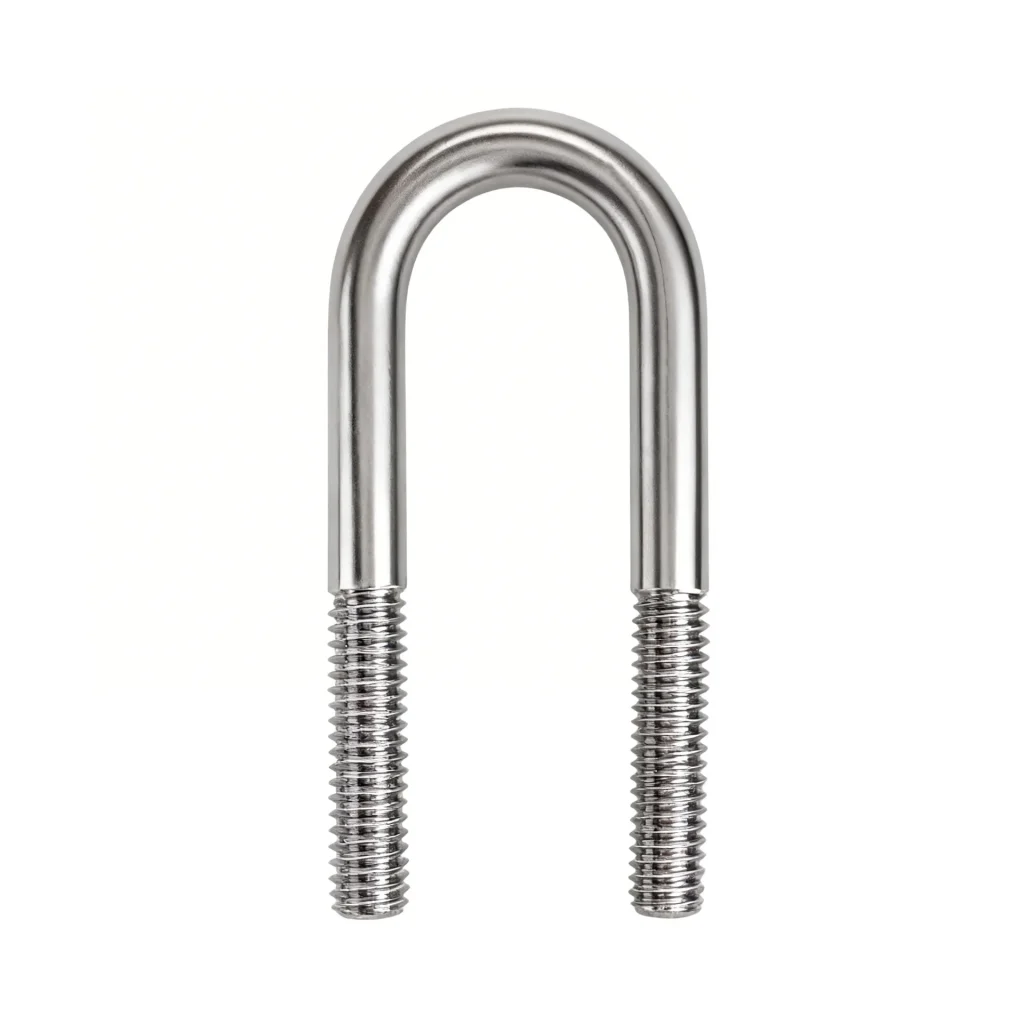
Which U-Bolt Measurements Must Buyers Provide Before a Quote?
For an M10–M24 U-bolt RFQ, buyers should send a dimensioned drawing that defines thread diameter, inside width, leg or overall length, bend geometry, thread length, application diameter, material or grade requirement, surface finish, matching nuts/washers, quantity, and packing needs. Nominal thread size alone is not enough because different measurement datums can produce U-bolts that look […]
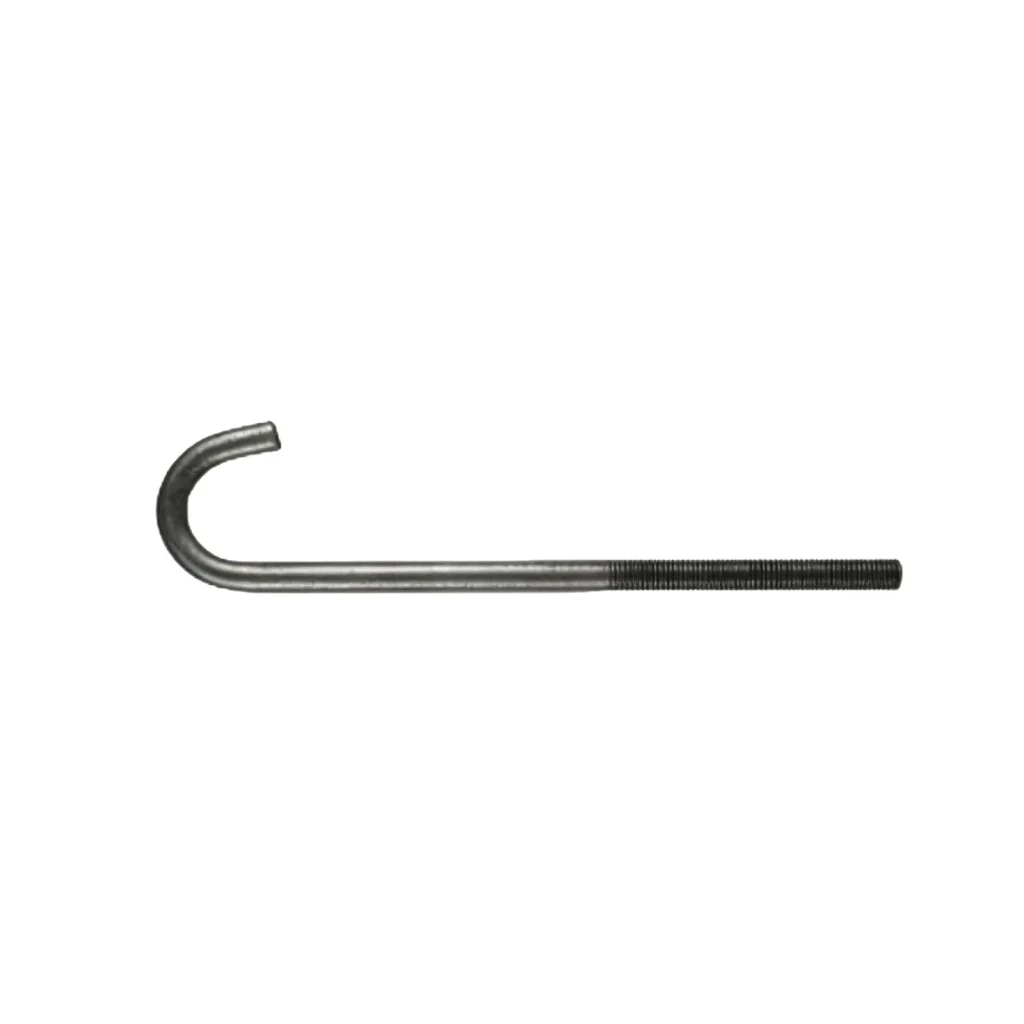
What Must Buyers Verify Before Ordering L-Shaped Anchor Bolts to an Older Standard?
When ordering L-shaped anchor bolts against an older standard, buyers should verify the standard’s current status, confirm the specification approved for the project, and reconcile the drawing, dimensions, material and foundation interface before releasing the purchase order. A legacy standard number on a product page or old drawing is not, by itself, sufficient evidence that […]
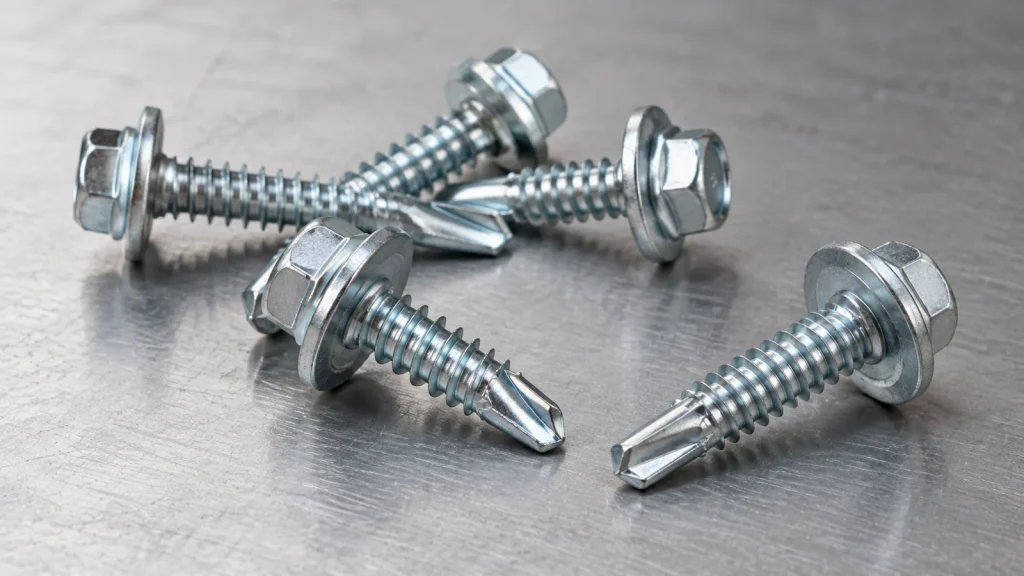
Hex Head Self-Drilling Screws with Cup Washers: Choosing Drill Point and Length
Choosing a hex head self-drilling screw with a cup washer requires more than selecting ST5.5 or ST6.3 and a nominal length. The drilling point must suit the steel it penetrates; the threaded section must engage the intended supporting material; and the head-and-washer assembly must seat correctly on the outer panel. A screw’s drilling capacity is […]
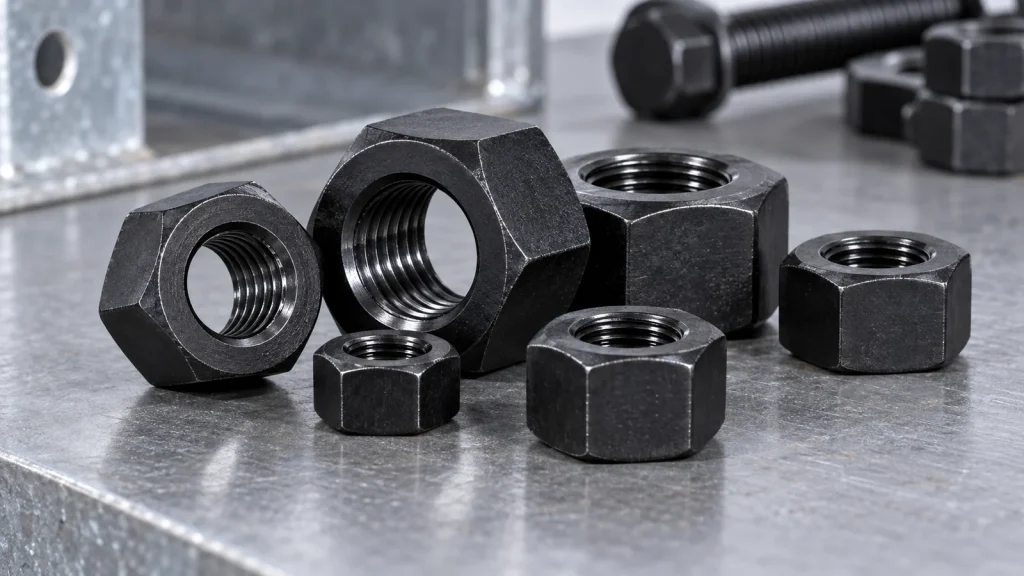
Grade 8 vs Grade 10 Hex Nuts: Strength Class and Bolt Compatibility
Class 8 and class 10 metric hex nuts are not interchangeable labels for bolt strength. They identify different nut property classes, while the suitability of either nut depends on the mating bolt, thread dimensions, nut style and the relevant specification. A black oxide finish adds another purchasing variable: it describes a surface treatment, not a […]
How to Choose Self-Tapping Screws for Plastic Parts
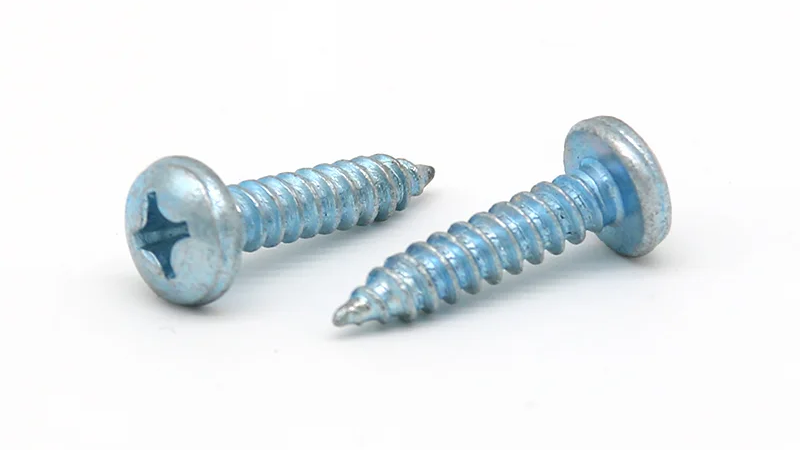
Choose self-tapping screws for plastic by matching the thread design to the resin, pilot hole and surrounding plastic, then checking head seating, thread engagement and tightening conditions on actual parts. Screw diameter alone cannot establish a suitable hole size or installation torque. This guide concerns metal screws fastening into plastic components. These screws create their […]

What Is a Fastener? Types, Functions and Industrial Uses
A fastener is a hardware component that mechanically joins or secures parts. Common examples include screws, bolts, nuts and rivets; washers are supporting components used in many fastening assemblies. Some connections can be dismantled by removing threaded fasteners, while others, such as riveted joints, normally require the fastener to be destroyed during removal. In industrial […]
Frequently Asked Questions
Can one cordless reciprocating saw handle both wood and metal cutting?
Yes, if the saw accepts the correct blades for each material and has enough power for the cut. The blade choice usually matters more than the saw body for material suitability, so confirm compatible blade types before ordering.
Is a higher battery voltage always better?
Not always. Higher voltage may support heavier cutting, but runtime and performance also depend on battery capacity, motor design, blade condition and the material being cut. A lighter tool with suitable batteries may be the better choice for frequent positioning or overhead work.
Should I choose a compact model or a full-size model?
Choose a compact model for confined spaces, lighter maintenance work and better control in awkward positions. Choose a full-size model if the job involves repeated cutting, thicker material or demolition work where stability and sustained cutting ability matter more than low weight.
What is a common mistake when buying this type of saw?
A common mistake is buying the saw without checking the blade system, battery platform and charger arrangement. The tool may look suitable, but replacement blades, spare batteries and charging compatibility can determine how practical it is on site.
What details should be sent with an enquiry?
Provide the material to be cut, approximate thickness or diameter, frequency of use and working location. Also mention any battery platform already used by your team, and ask what is included with the saw, such as blades, batteries, charger and case.
Leave Your Message
Tell us the material and approximate thickness or diameter you need to cut, the intended application, and whether you already use a specific battery platform. We can then confirm whether the requested saw type, blades, batteries and charger options are available.