

Blind Rivet Gun Selection Guide | Hebei Wotu Fastener Manufacturing Co., Ltd.
Choose the Right Blind Rivet Gun
A blind rivet gun installs rivets from one side of a joint, making it useful for sheet metal, enclosures, ducting, vehicle panels and other assemblies where the rear of the workpiece is inaccessible. The main purchase decision is whether you need a manual, pneumatic or battery-powered tool for the rivet size, material and installation volume involved.
A good match should pull the rivet mandrel reliably, accept the required nosepieces and leave a consistent joint without excessive operator effort. Confirm tool compatibility with your rivet specification before comparing price or body design.
Choose the right blind rivet gun for your joint and workload
The practical difference between manual and powered blind rivet guns is installation effort and working speed. A hand tool suits occasional repairs and small assembly work, while a pneumatic or battery-powered model can reduce fatigue during repeated installation. Powered tools also require closer checks on air supply, battery availability, service needs or control features.
Rivet compatibility matters just as much as the drive method. Check the rivet diameter range, mandrel material, rivet body material and required nosepiece before ordering. A gun that cannot grip and pull the selected rivet correctly may produce loose joints, damaged mandrels or repeated jams.
Match the tool to the workload. For occasional work on accessible panels, a manual gun may be simpler to store and operate. Repeated production or overhead installation generally calls for a powered option, but the added equipment and maintenance should be justified by the reduction in hand force and cycle effort.
Check rivet and nosepiece fit. Ask whether the tool accepts the rivet diameters and mandrel materials used in your assembly, and whether the required nosepieces are included or available separately. Do not assume that a similar-looking gun supports every blind rivet in your stock.
Consider the joint and workspace. The tool must reach the rivet head squarely and leave enough clearance around the workpiece. For confined areas, compare the nose length, body shape and access around the trigger. For mobile work, consider total tool weight and whether an air hose, compressor or charged battery will obstruct movement.
Confirm service details before purchase. Ask for the operating instructions, replacement nosepiece options, mandrel-collection method and recommended maintenance. For an enquiry, send the rivet type, diameter range, body and mandrel materials, expected installation volume and whether the work is manual, air-powered or battery-powered.
| Criteria | Importance | Description | Example Options |
|---|---|---|---|
| Drive method | High for workload and operator effort | Manual, pneumatic and battery-powered tools differ mainly in force required, installation speed, portability and supporting equipment. | A repair kit may use a hand tool, while repetitive assembly may justify a powered tool. |
| Rivet compatibility | Essential for joint quality | The tool must match the rivet diameter, body material, mandrel material and required nosepiece. Compatibility should be confirmed before price comparison. | A tool set up for smaller aluminum rivets may not be suitable for larger rivets with harder mandrels. |
| Access to the work area | Important where space is limited | Nose length, head shape, body size and tool angle affect whether the tool can sit squarely on the rivet head. | A rivet close to a folded edge or inside an enclosure may need a slimmer nose arrangement. |
| Maintenance and consumables | Important for regular use | Jaws, nosepieces and mandrel collection systems need attention, especially on tools used throughout the day. | A production bench may need spare nosepieces and a clear routine for emptying collected mandrels. |
| Portability versus support equipment | Depends on where the work is done | Air tools can be efficient where compressed air is already available, while battery tools avoid hoses but require battery management. | Mobile repair work may favor cordless operation, while a fixed workstation may already support pneumatic tooling. |
Product Selection
Related Options
For repeated installation on sheet-metal panels or enclosures, give priority to reliable rivet compatibility and operator control before adding convenience features. For occasional maintenance work, a simpler tool may be preferable if it covers the rivets already specified for the joint.







Blog Articles / Reviews

What Is a Fastener? Types, Functions and Industrial Uses
A fastener is a hardware component that mechanically joins or secures parts. Common examples include screws, bolts, nuts and rivets; washers are supporting components used in many fastening assemblies. Some connections can be dismantled by removing threaded fasteners, while others, such as riveted joints, normally require the fastener to be destroyed during removal. In industrial […]

The Concept of Hexagonal Self-Drilling Screws and High-Pressure Standard Parts
Hexagonal self-drilling screws, manufactured by Hebei Wotu Fastener Manufacturing Co., Ltd., operate under a modern enterprise system and strictly manage according to the ISO9001:2015 quality system. The company uses “Wotu” as its registered trademark. The term “standard parts” in China is a shorthand for “standard fasteners,” a narrow definition. High- and medium-pressure standard parts refer […]
How to Choose Self-Tapping Screws for Plastic Parts
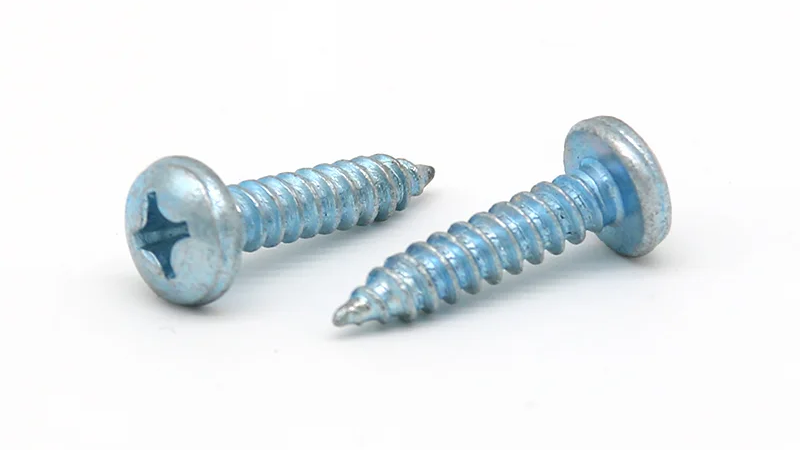
Choose self-tapping screws for plastic by matching the thread design to the resin, pilot hole and surrounding plastic, then checking head seating, thread engagement and tightening conditions on actual parts. Screw diameter alone cannot establish a suitable hole size or installation torque. This guide concerns metal screws fastening into plastic components. These screws create their […]

Why Do U Bolts Loosen in Pipe Supports? 6 Causes and Prevention Methods
U bolts usually loosen in pipe supports because the connection loses clamping force, receives continuous vibration, restricts thermal pipe movement, uses an incorrectly sized U bolt, experiences surface settlement, or suffers from corrosion and inadequate inspection. This issue affects EPC contractors, pipe installers, industrial maintenance teams, equipment manufacturers and fastener distributors working with water, oil […]

Choosing the Right Material for Self-Drilling Screws and Its Maintenance Requirements
Self-drilling screws are fundamental mechanical components with high demand. They are typically used in bolts, screws, rivets, etc., for safety or in harsh environments or other hazardous conditions where temperature effects are not a concern. Common materials for self-drilling screws include carbon steel, low-alloy steel, and non-ferrous metals. However, in specific applications, fastener materials need […]
Frequently Asked Questions
Is a hand tool enough for occasional panel repairs?
Yes, a manual rivet gun can be suitable for low-volume repair or assembly work if it matches the rivet diameter and mandrel material. The trade-off is operator effort, especially with larger rivets, harder mandrels or repeated overhead work.
When does a pneumatic or battery-powered model make more sense?
A powered tool is usually worth considering when operators install many rivets per shift or need more consistent pull force with less hand fatigue. Pneumatic tools depend on a suitable air supply, while battery tools need charged packs and may have different service requirements.
Can one tool install any blind rivet?
No. A blind rivet gun must match the rivet diameter, mandrel type and nosepiece requirement. Similar-looking tools may have different pulling capacity, jaw design and compatible accessories.
What information should I send before asking for a recommendation?
Send the rivet diameter range, rivet body material, mandrel material, approximate installation volume and where the rivets will be installed. Photos or drawings of the joint area can also help clarify access limitations.
What causes loose rivets or broken mandrels during installation?
Common causes include using a tool outside its compatible rivet range, fitting the wrong nosepiece, holding the tool at an angle or using a rivet that is not suitable for the grip thickness. Check the rivet specification and tool setup before assuming the tool is defective.
Leave Your Message
Please share the rivet diameter range, rivet and mandrel materials, and expected installation volume so we can clarify a suitable blind rivet gun configuration.