

Buttonhead Selection Guide | Hebei Wotu Fastener Manufacturing Co., Ltd.
Button Head Screws for Low-Profile Fastening
Button head screws are chosen when a joint needs a low-profile, rounded head rather than a tall cap screw or a countersunk finish. The main decision is usually head clearance, drive style, material, and thread specification—not just the word “buttonhead.”
For a fastening inquiry, the useful starting point is the assembly: what the screw clamps, how much space is available above the surface, and whether appearance, tamper resistance, corrosion exposure, or tool access drives the choice.
Choosing a button head fastener for a real assembly
A button head screw is not the same decision as a countersunk screw. A countersunk head sits flush only after the mating part is chamfered or countersunk; a button head sits on top of the surface with a smooth, rounded profile. That matters if the part cannot be machined, the material is thin, or the visible head shape is part of the design.
Compared with a socket head cap screw, a button head usually gives a lower, wider head profile, but it may not suit every high-clamp-load application. The buyer should confirm the required thread, material grade, finish, drive recess, and installation method before treating it as a direct substitute.
Match the head style to the space around the joint. Button head screws work well where a protruding hex head would be too bulky but a countersunk hole is not wanted. Check side clearance for the tool, head height above the surface, and whether the rounded head could interfere with sliding parts, covers, or guards.
Choose the drive style around installation reality. Socket, hex socket, Torx-style, Phillips, and tamper-resistant drives each affect tool engagement, assembly speed, and risk of recess damage. If the screw will be removed during maintenance, avoid choosing a drive only for appearance; the service tool must be available and able to reach the recess cleanly.
Do not specify material and coating as an afterthought. Indoor machinery, outdoor equipment, sheet metal assemblies, furniture, and electrical enclosures can need different corrosion protection and strength levels. Confirm the base material, surface finish, and any required standard rather than relying on a generic “black” or “stainless” description.
Send the details that remove guesswork. A practical inquiry should include diameter, thread pitch or standard, length measured as required for that screw type, head/drive preference, material, finish, quantity, and the mating material. A drawing, sample, or photo is especially useful if the part is being matched to an existing assembly.
| Criteria | Importance | Description | Example Options |
|---|---|---|---|
| Head profile and surface clearance | Critical where the fastener must stay below nearby moving or covering parts. | Compare the rounded, raised button head with alternatives that are taller or designed to sit flush. Confirm both the height above the surface and the space around the head. | A cover may accept a button head but interfere with a taller socket head; a countersunk option may require preparing the mating surface. |
| Drive recess and tool access | High for assembly consistency and future removal. | The drive must suit the installation tool, access angle, maintenance method, and desired resistance to recess damage or unauthorized removal. | A socket or Torx-style recess may suit a controlled assembly tool, while a tamper-resistant drive may be considered for an exposed enclosure. |
| Thread and dimensional compatibility | Critical for correct fit and joint function. | Match diameter, thread form, pitch, length, and any applicable standard to the mating part. Small differences can prevent engagement or change how much thread enters the assembly. | A replacement must match the existing metric or inch-based thread rather than relying only on a similar outside diameter. |
| Material and surface finish | Important when the assembly faces moisture, chemicals, wear, or appearance requirements. | Select the base material and finish for the service environment and mating materials. A color description such as black or stainless does not by itself identify strength or corrosion performance. | An indoor fixture and an outdoor assembly may require different material or protective-finish considerations. |
| Joint duty and alternative head style | Important when clamp load, vibration, or structural duty affects the choice. | A button head may suit compact brackets, covers, and light machinery assemblies, but a different screw head may be more appropriate for a demanding joint. Confirm the joint requirement before substituting based only on appearance. | A compact access panel may favor a button head, while a higher-duty joint may call for a fastener selected specifically for its required clamping and installation conditions. |
Product Selection
Related Options
For visible covers, access panels, brackets, and light machinery assemblies, the priority is often a neat rounded head with reliable tool engagement. The right button head choice depends on the joint load, surface condition, installation access, and environment rather than on appearance alone.







Blog Articles / Reviews
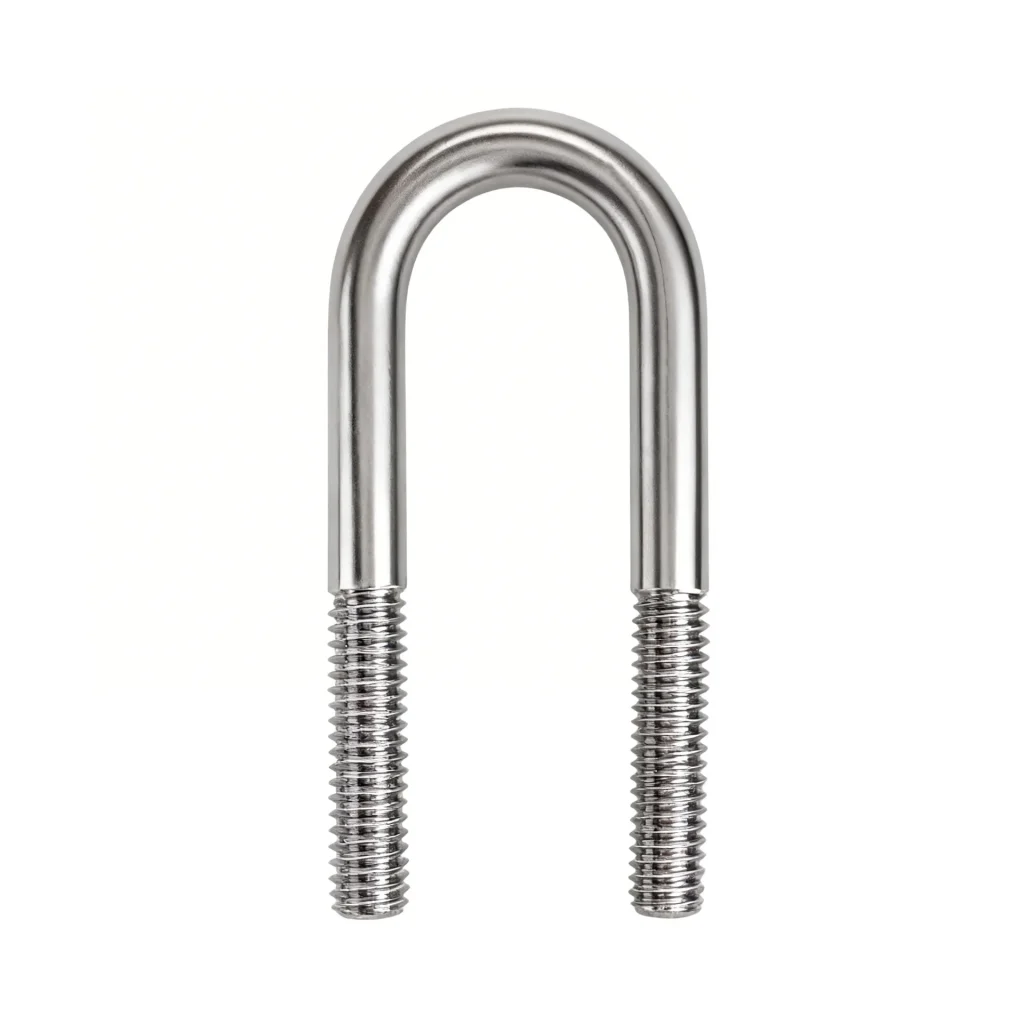
Which U-Bolt Measurements Must Buyers Provide Before a Quote?
For an M10–M24 U-bolt RFQ, buyers should send a dimensioned drawing that defines thread diameter, inside width, leg or overall length, bend geometry, thread length, application diameter, material or grade requirement, surface finish, matching nuts/washers, quantity, and packing needs. Nominal thread size alone is not enough because different measurement datums can produce U-bolts that look […]
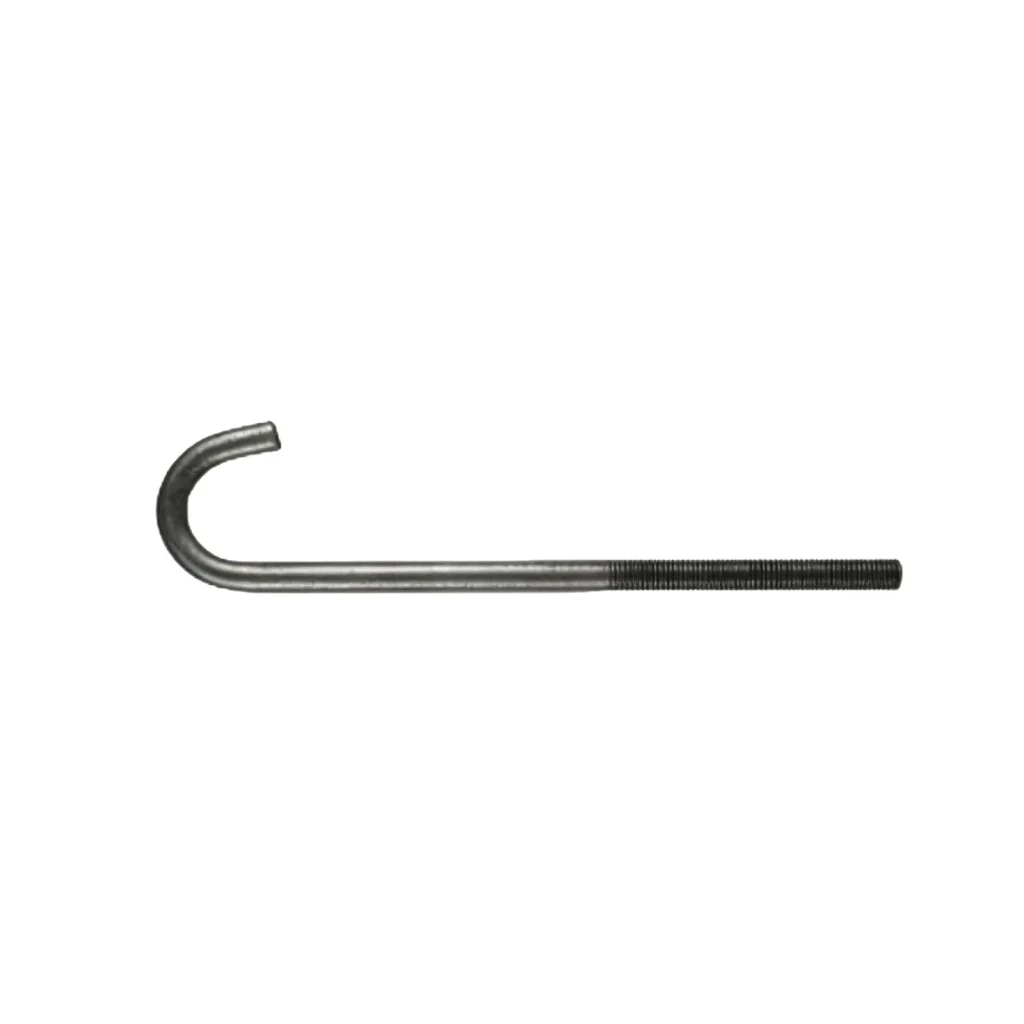
What Must Buyers Verify Before Ordering L-Shaped Anchor Bolts to an Older Standard?
When ordering L-shaped anchor bolts against an older standard, buyers should verify the standard’s current status, confirm the specification approved for the project, and reconcile the drawing, dimensions, material and foundation interface before releasing the purchase order. A legacy standard number on a product page or old drawing is not, by itself, sufficient evidence that […]
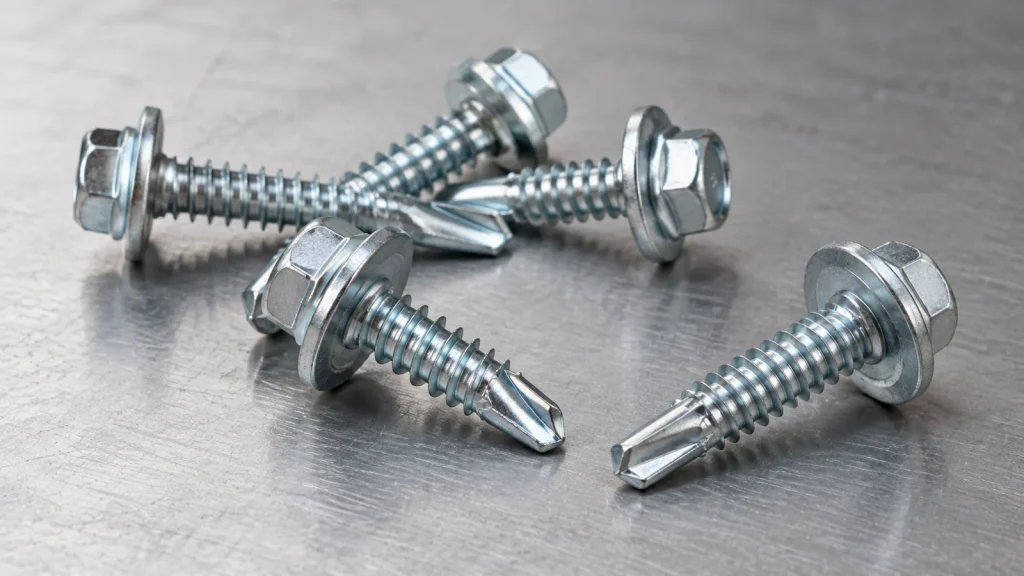
Hex Head Self-Drilling Screws with Cup Washers: Choosing Drill Point and Length
Choosing a hex head self-drilling screw with a cup washer requires more than selecting ST5.5 or ST6.3 and a nominal length. The drilling point must suit the steel it penetrates; the threaded section must engage the intended supporting material; and the head-and-washer assembly must seat correctly on the outer panel. A screw’s drilling capacity is […]
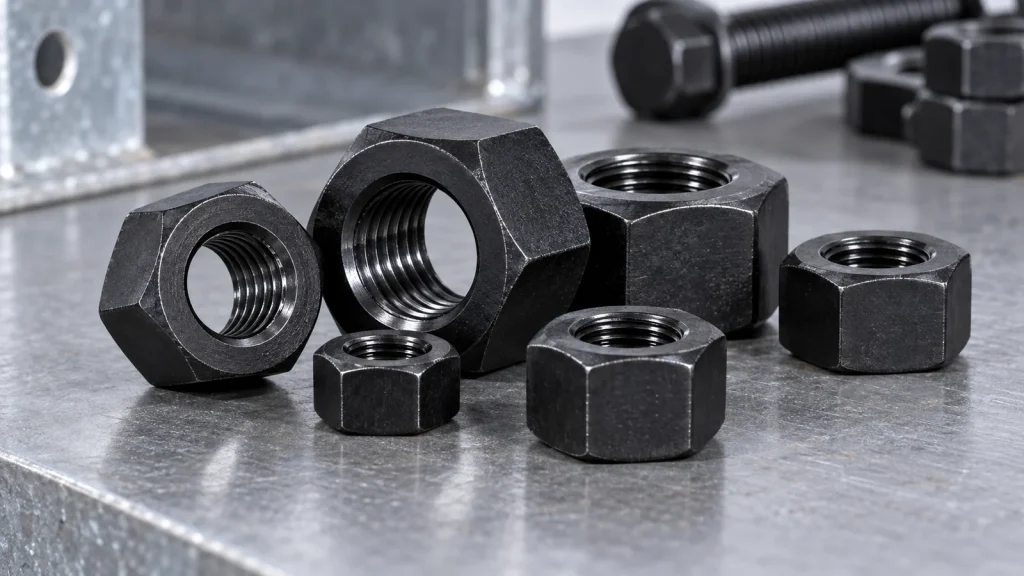
Grade 8 vs Grade 10 Hex Nuts: Strength Class and Bolt Compatibility
Class 8 and class 10 metric hex nuts are not interchangeable labels for bolt strength. They identify different nut property classes, while the suitability of either nut depends on the mating bolt, thread dimensions, nut style and the relevant specification. A black oxide finish adds another purchasing variable: it describes a surface treatment, not a […]
How to Choose Self-Tapping Screws for Plastic Parts
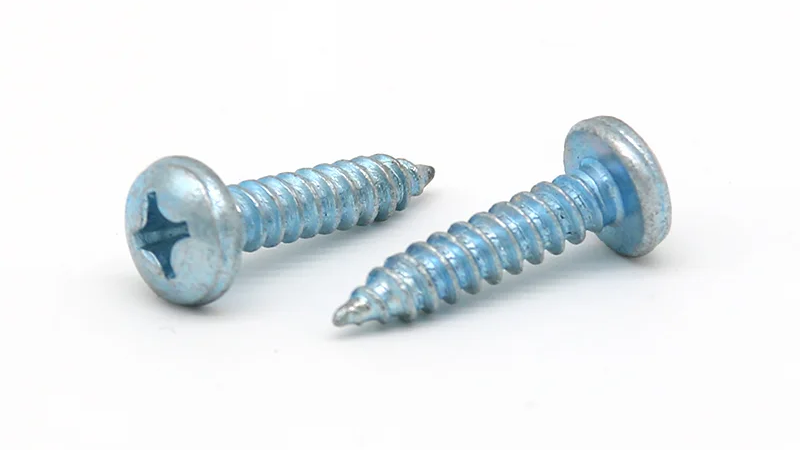
Choose self-tapping screws for plastic by matching the thread design to the resin, pilot hole and surrounding plastic, then checking head seating, thread engagement and tightening conditions on actual parts. Screw diameter alone cannot establish a suitable hole size or installation torque. This guide concerns metal screws fastening into plastic components. These screws create their […]

What Is a Fastener? Types, Functions and Industrial Uses
A fastener is a hardware component that mechanically joins or secures parts. Common examples include screws, bolts, nuts and rivets; washers are supporting components used in many fastening assemblies. Some connections can be dismantled by removing threaded fasteners, while others, such as riveted joints, normally require the fastener to be destroyed during removal. In industrial […]
Frequently Asked Questions
Can this head style be used when the mating part has no countersunk hole?
Yes. The rounded head sits on top of the surface, so the mating part does not need a countersink. Check the head height and diameter against nearby covers, sliding parts, guards, or other clearance limits.
When is a socket head cap screw a better alternative?
A socket head cap screw may be preferable when the joint needs a taller head, deeper drive engagement, or a different clamping arrangement. A button head generally offers a lower, wider profile, so it should not be treated as a direct replacement without checking load, clearance, and tool access.
Does a low-profile rounded head mean the screw sits flush?
No. A button head remains above the surface, unlike a countersunk screw installed in a properly prepared recess. If a flush exterior is required, the joint design and mating material must support a countersunk solution.
Which drive recess should be specified for repeated maintenance?
Choose a drive that matches the available service tool and provides clean access in the installed position. Socket, Torx-style, Phillips, and tamper-resistant options can differ in tool engagement and removal practicality, so appearance alone is not a sound basis for selection.
What information should accompany a purchasing inquiry?
Provide the diameter, thread standard and pitch, length measurement method, preferred drive, material, finish, quantity, and mating material. For a replacement, a drawing, marked standard, or clear sample photo can help confirm that the new fastener matches the existing assembly.
Leave Your Message
Share the screw size and thread, preferred drive style, material or finish, and where the fastener will be used. If you are replacing an existing button head screw, include a drawing, sample photo, or the standard marked on the specification.