

Deck Slab Fastener Selection | Hebei Wotu Fastener Manufacturing Co., Ltd.
Deck slab fastener selection
A deck slab combines a concrete slab with a supporting deck system, commonly profiled steel decking used as permanent formwork or as part of a composite floor. The right choice depends first on how the deck is intended to perform: as temporary support during the pour, or as a structural component after the concrete cures.
For a sound purchasing decision, match the deck slab system and its fasteners to the project drawings, load requirements, slab arrangement, site conditions and installation method. Small differences in deck profile, support spacing and connection details can affect fit, stability and the amount of additional reinforcement required.
Choose connections for the deck system and construction stage
The main distinction is between a non-composite deck slab and a composite deck slab. In a non-composite arrangement, the decking mainly supports wet concrete during construction and the cured concrete carries the designed load. In a composite arrangement, the deck and concrete are designed to work together, so profile shape, bond, shear connection and reinforcement details become critical.
This distinction matters because components that fit the same slab thickness may not provide the same structural behavior. Confirm the design basis, deck profile, support layout and approved connection details before selecting decking accessories or fasteners. If the intended use is a roof deck, balcony or ground-supported slab rather than a steel-supported floor, describe that application clearly in the enquiry.
Start with the structural arrangement rather than the concrete thickness alone. Provide the span or support layout, design loads, deck orientation, slab depth shown on the drawings and whether the deck is composite or non-composite. These details determine which connection and reinforcement options are suitable.
Check compatibility between the deck profile and every fixing or accessory. Profile width, rib geometry, material thickness, support material and access from one side can affect fastener fit and installation. A common mistake is choosing a general-purpose fixing without confirming the deck manufacturer’s approved connection detail or the substrate condition.
Consider construction-stage conditions as well as the finished slab. Wet-concrete loading, temporary storage, propping, openings, edge details and penetrations may require different treatment from the central floor area. Coordinate these points with the structural designer and the deck system supplier instead of assuming that one fixing arrangement suits the entire project.
For an enquiry to Hebei Wotu Fastener Manufacturing Co., Ltd., send the relevant drawing or a clear description of the deck system, the required fastener or accessory type, the substrate, expected quantity and destination. Ask which product information, installation guidance and compatibility confirmation are available for your specific deck slab assembly.
| Criteria | Importance | Description | Example Options |
|---|---|---|---|
| Structural role | Fundamental because it determines how the deck and concrete are expected to carry load. | Separate a non-composite arrangement, where the deck mainly supports the pour, from a composite arrangement, where the deck and cured concrete are designed to act together. | A steel-supported floor may use a composite deck detail, while another arrangement may use decking primarily as permanent formwork. |
| Deck profile and support compatibility | High importance because rib geometry, profile width, thickness, and support layout affect fit and connection performance. | Match each fastener or accessory to the actual deck profile and the material it must penetrate or connect to. | A fixing suitable for one profiled deck rib and steel support may not suit a different rib shape or a concrete support. |
| Connection approach | High importance because the selected connection must match the engineered detail, installation access, and required site sequence. | Compare purpose-selected mechanical fasteners or other specified connection methods with generic fixings only after confirming design acceptance and installation constraints. | An internal floor area with access from above may require a different connection detail from an edge, opening, or restricted-access location. |
| Construction-stage requirements | Important because the arrangement must remain suitable while concrete is placed and before the slab reaches its designed condition. | Review wet-concrete loading, temporary storage, propping, penetrations, openings, and edge conditions rather than checking only the completed slab. | A large service opening or temporary material stack may require treatment different from the typical central deck area. |
| Environment and material compatibility | Important where moisture, exposure, or contact between different materials could affect the selected connection or accessory. | Check the deck and support materials, site exposure, access for installation, and any project-specific documentation or approval requirements. | A sheltered internal floor and an exposed balcony may call for different material and protection considerations even if their connection layout appears similar. |
Product Selection
Related Options
For a steel-supported floor deck, the main selection priority is a connection that remains compatible with the deck profile and support material throughout installation. A project with frequent penetrations, exposed edges or difficult access may need different accessories from a simple internal floor area, so compare options against the actual drawing and installation sequence rather than choosing by appearance alone.







Blog Articles / Reviews
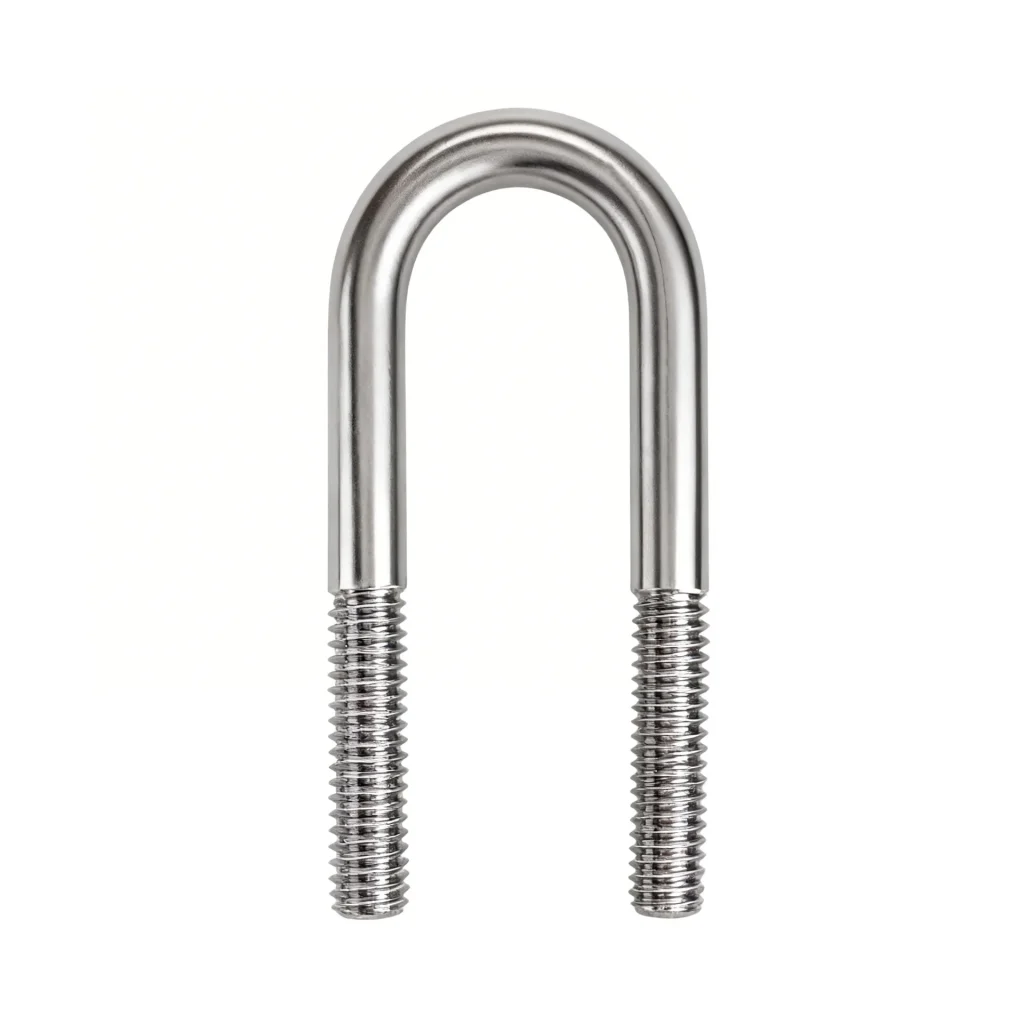
Which U-Bolt Measurements Must Buyers Provide Before a Quote?
For an M10–M24 U-bolt RFQ, buyers should send a dimensioned drawing that defines thread diameter, inside width, leg or overall length, bend geometry, thread length, application diameter, material or grade requirement, surface finish, matching nuts/washers, quantity, and packing needs. Nominal thread size alone is not enough because different measurement datums can produce U-bolts that look […]
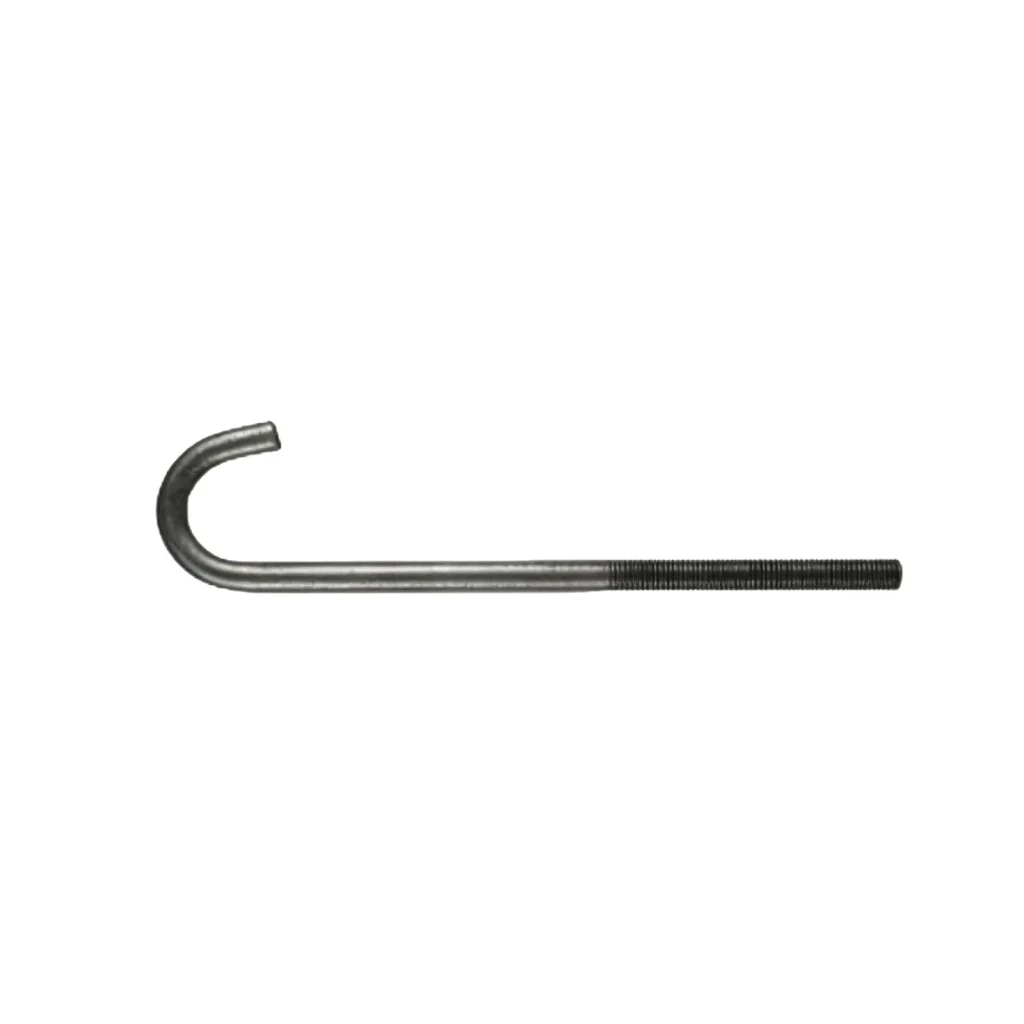
What Must Buyers Verify Before Ordering L-Shaped Anchor Bolts to an Older Standard?
When ordering L-shaped anchor bolts against an older standard, buyers should verify the standard’s current status, confirm the specification approved for the project, and reconcile the drawing, dimensions, material and foundation interface before releasing the purchase order. A legacy standard number on a product page or old drawing is not, by itself, sufficient evidence that […]
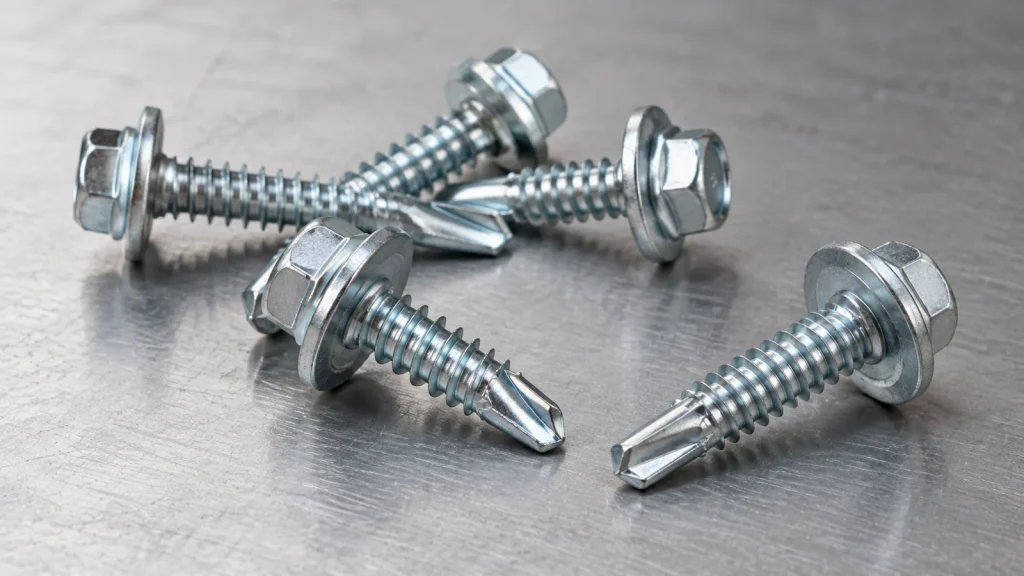
Hex Head Self-Drilling Screws with Cup Washers: Choosing Drill Point and Length
Choosing a hex head self-drilling screw with a cup washer requires more than selecting ST5.5 or ST6.3 and a nominal length. The drilling point must suit the steel it penetrates; the threaded section must engage the intended supporting material; and the head-and-washer assembly must seat correctly on the outer panel. A screw’s drilling capacity is […]
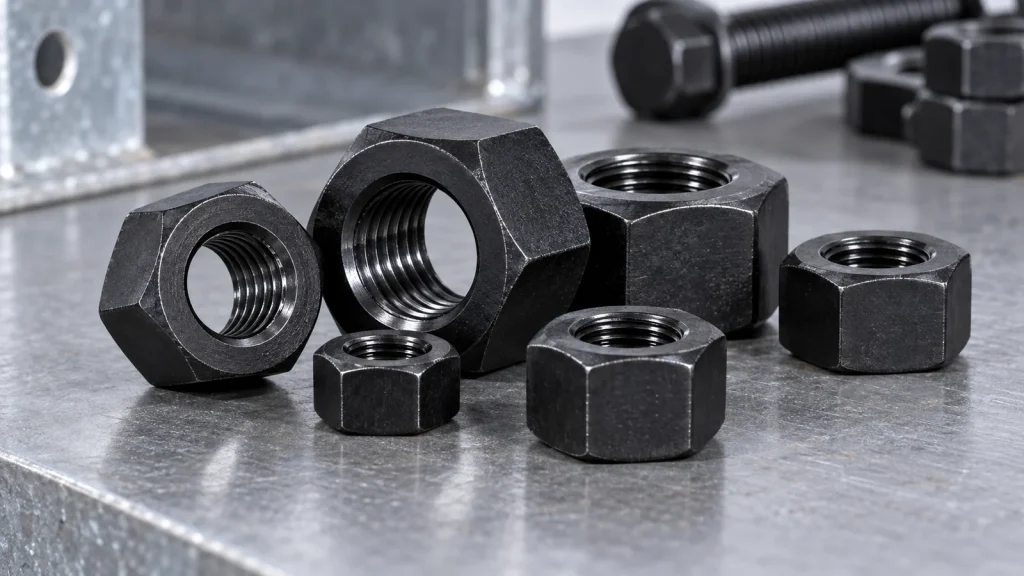
Grade 8 vs Grade 10 Hex Nuts: Strength Class and Bolt Compatibility
Class 8 and class 10 metric hex nuts are not interchangeable labels for bolt strength. They identify different nut property classes, while the suitability of either nut depends on the mating bolt, thread dimensions, nut style and the relevant specification. A black oxide finish adds another purchasing variable: it describes a surface treatment, not a […]
How to Choose Self-Tapping Screws for Plastic Parts
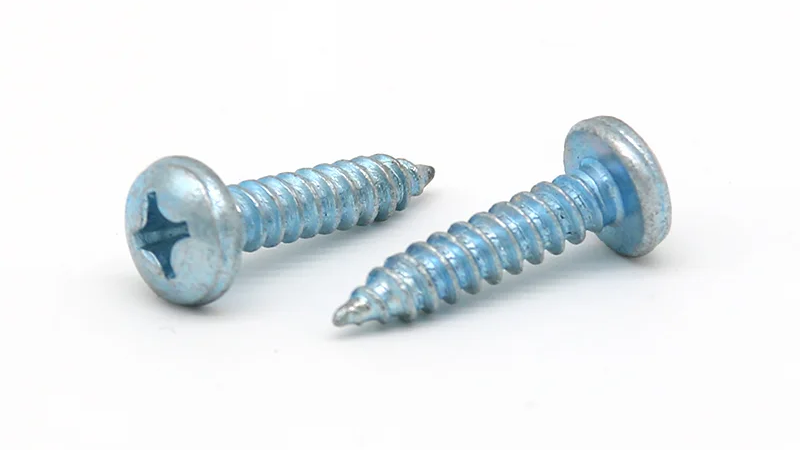
Choose self-tapping screws for plastic by matching the thread design to the resin, pilot hole and surrounding plastic, then checking head seating, thread engagement and tightening conditions on actual parts. Screw diameter alone cannot establish a suitable hole size or installation torque. This guide concerns metal screws fastening into plastic components. These screws create their […]

What Is a Fastener? Types, Functions and Industrial Uses
A fastener is a hardware component that mechanically joins or secures parts. Common examples include screws, bolts, nuts and rivets; washers are supporting components used in many fastening assemblies. Some connections can be dismantled by removing threaded fasteners, while others, such as riveted joints, normally require the fastener to be destroyed during removal. In industrial […]
Frequently Asked Questions
Can the same deck slab arrangement be used for a roof, balcony, or ground-supported floor?
Not necessarily. Each application can have different support conditions, exposure, drainage, edge details, movement requirements, and reinforcement needs, so describe the intended use rather than providing slab thickness alone.
Does a matching slab thickness mean that any deck or fixing will work?
No. Two systems with the same overall thickness may differ in deck profile, support spacing, connection detail, and composite action. Confirm the profile and the approved connection arrangement against the structural drawings before ordering.
What is the trade-off between a purpose-selected connection and a general-purpose fixing?
A purpose-selected connection is chosen around the deck profile, support material, access, and design detail, which can improve compatibility but may limit interchangeability. A general-purpose fixing may appear simpler to source, but it should not be treated as suitable until its fit and structural use have been confirmed.
Which details should accompany a purchase enquiry?
Provide the deck type and profile, support material and layout, composite or non-composite design, slab depth shown on the drawings, required fastener or accessory, quantity, site conditions, and destination. A drawing or clear section detail is especially useful where openings, edges, penetrations, or difficult access are involved.
Do deck connections only need to support the finished concrete slab?
No. The deck and connections may also experience construction-stage loading from wet concrete, workers, stored materials, openings, and temporary supports. The structural designer and deck system supplier should confirm the required arrangement for both construction and completed-floor conditions.
Leave Your Message
Tell us the deck type and profile, whether the slab is composite or non-composite, the support material, required fastener or accessory, project quantity and destination. Include a drawing or deck description if available so the enquiry can be reviewed against the intended application.