

Helicoil Inserts | Hebei Wotu Fastener Manufacturing Co., Ltd.
Helicoil Inserts for Thread Repair and Reinforcement
Helicoil inserts restore or reinforce internal threads in materials such as aluminum and other relatively soft metals. The main decision is selecting an insert that matches the required thread, installed length, base material and service conditions.
For a stripped thread repair, the insert must fit the existing hole after suitable preparation and provide the required internal thread. For a new design, it can improve thread durability where repeated assembly, vibration or limited parent-material strength would make a tapped hole vulnerable to wear.
Choose the right insert for thread repair or reinforcement
Free-running and screw-locking helicoil inserts serve different purposes. A free-running insert provides a standard internal thread for normal fastening, while a screw-locking version adds resistance to fastener loosening. The locking type is not automatically the better choice: it can affect assembly feel, fastener installation and serviceability.
Also confirm the thread standard rather than relying only on the nominal bolt size. Metric and inch threads, coarse and fine pitches, insert length and material are not interchangeable. A mismatch can produce poor engagement or prevent the fastener from seating correctly.
Start with the host part. Identify whether the insert is repairing a damaged thread or being installed in a new tapped hole, then confirm the parent material and the available hole depth. Soft materials may benefit from a threaded insert, but the surrounding material still needs enough wall strength and depth to support the joint.
Match the internal thread to the fastener and select an insert length that provides the required engagement without bottoming out in a blind hole. Check the full thread specification, including metric or inch standard, nominal size and pitch. Treat insert length as a fit decision, not simply as a way to maximize thread engagement.
Choose the insert style and material for the application. Free-running inserts suit ordinary threaded joints; screw-locking inserts may be appropriate where vibration or movement could loosen the fastener. Corrosion exposure, temperature, repeated removal and contact between dissimilar metals can change the suitable insert material and finish.
Before requesting a quotation, send the thread specification, parent material, repair or new-design status, required insert length and operating environment. Also ask which installation method and compatible tooling the proposed insert requires, and confirm whether the supplied option is intended for blind or through holes.
| Criteria | Importance | Description | Example Options |
|---|---|---|---|
| Repair or new design | Critical because the existing hole condition changes the preparation and fit requirements. | A stripped-thread repair must account for the damaged hole and remaining wall material. A new design should account for thread durability, available space and the intended assembly process from the start. | A damaged aluminum housing and a newly designed soft-metal component may require different hole-preparation and length decisions. |
| Thread standard, size and pitch | Critical because the insert must match the fastener exactly. | Confirm the metric or inch thread standard, nominal size and pitch rather than selecting by bolt diameter alone. An incorrect pitch or standard can prevent proper seating and engagement. | Specify the complete thread designation instead of sending only a nominal fastener diameter. |
| Free-running or screw-locking design | High when vibration, movement or frequent service affects the joint. | Free-running inserts provide a normal internal thread. Screw-locking inserts add a locking feature, but may require different installation and removal handling. | Use a free-running style for a routinely serviced threaded joint when additional locking is not required. |
| Hole depth, insert length and geometry | High because poor depth matching can limit engagement or cause the insert to bottom out. | Check whether the hole is blind or through, how much usable depth remains and whether the surrounding wall can support the installed insert. Select only the length that fits the joint and hole. | A blind hole may need a shorter insert than a through hole using the same internal thread. |
| Parent material and service environment | High where corrosion, temperature, repeated removal or dissimilar-metal contact may affect service life. | The insert material and finish should be considered alongside the host material and operating conditions. Confirm compatibility rather than assuming one material suits every application. | A joint exposed to moisture or repeated assembly may require a different material or finish review than an indoor, rarely serviced joint. |
Product Selection
Related Options
For a stripped thread in an aluminum housing that is opened repeatedly, the key priority is a correctly matched insert that restores the fastener thread while protecting the softer parent material. Compare options by thread fit, engagement length, locking requirement and service environment rather than choosing by appearance or nominal bolt diameter alone.







Blog Articles / Reviews
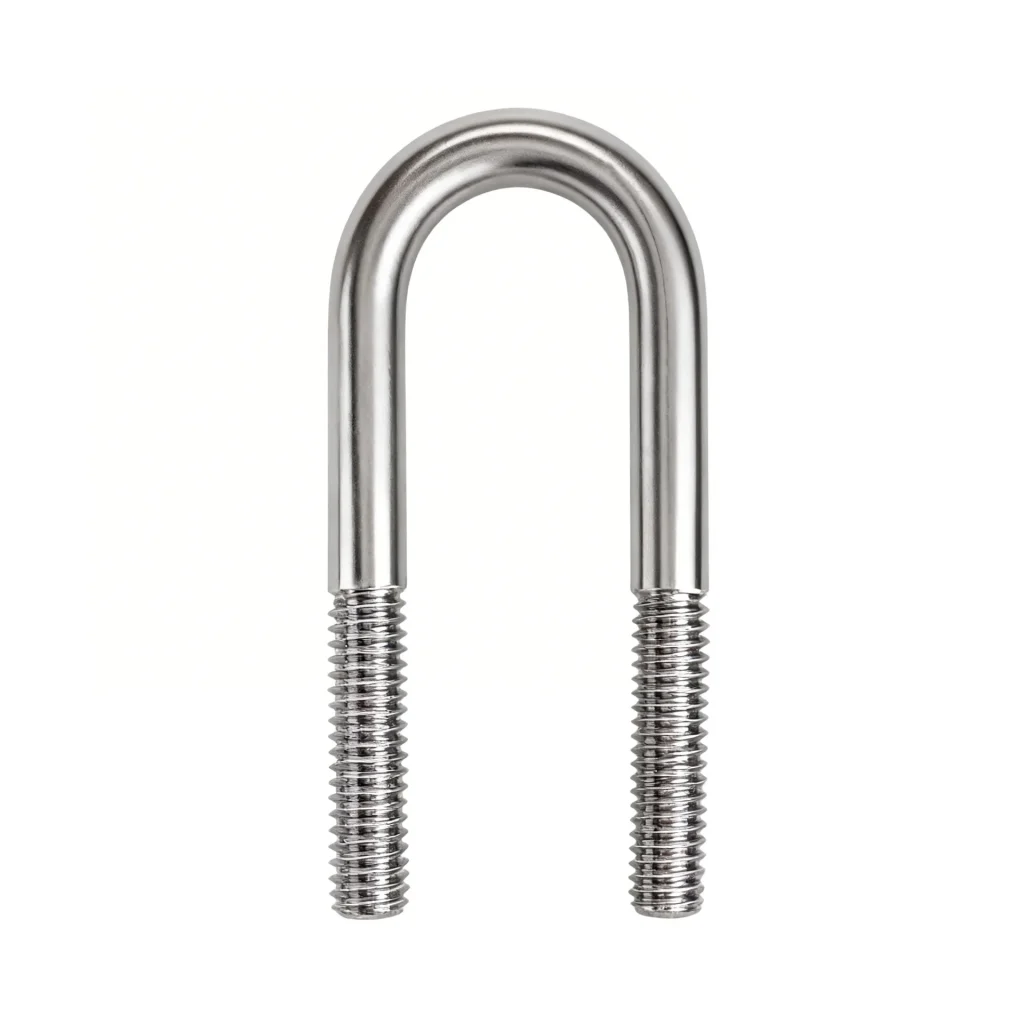
Which U-Bolt Measurements Must Buyers Provide Before a Quote?
For an M10–M24 U-bolt RFQ, buyers should send a dimensioned drawing that defines thread diameter, inside width, leg or overall length, bend geometry, thread length, application diameter, material or grade requirement, surface finish, matching nuts/washers, quantity, and packing needs. Nominal thread size alone is not enough because different measurement datums can produce U-bolts that look […]
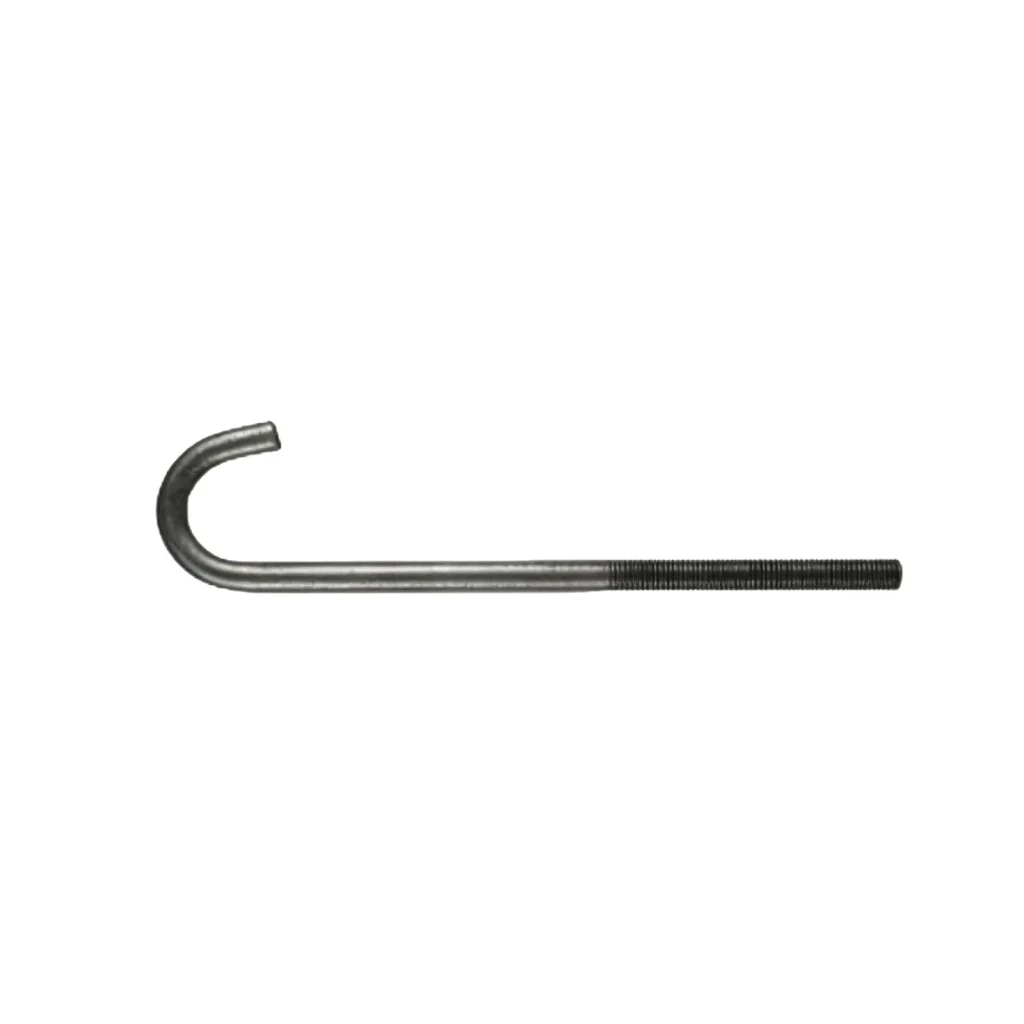
What Must Buyers Verify Before Ordering L-Shaped Anchor Bolts to an Older Standard?
When ordering L-shaped anchor bolts against an older standard, buyers should verify the standard’s current status, confirm the specification approved for the project, and reconcile the drawing, dimensions, material and foundation interface before releasing the purchase order. A legacy standard number on a product page or old drawing is not, by itself, sufficient evidence that […]
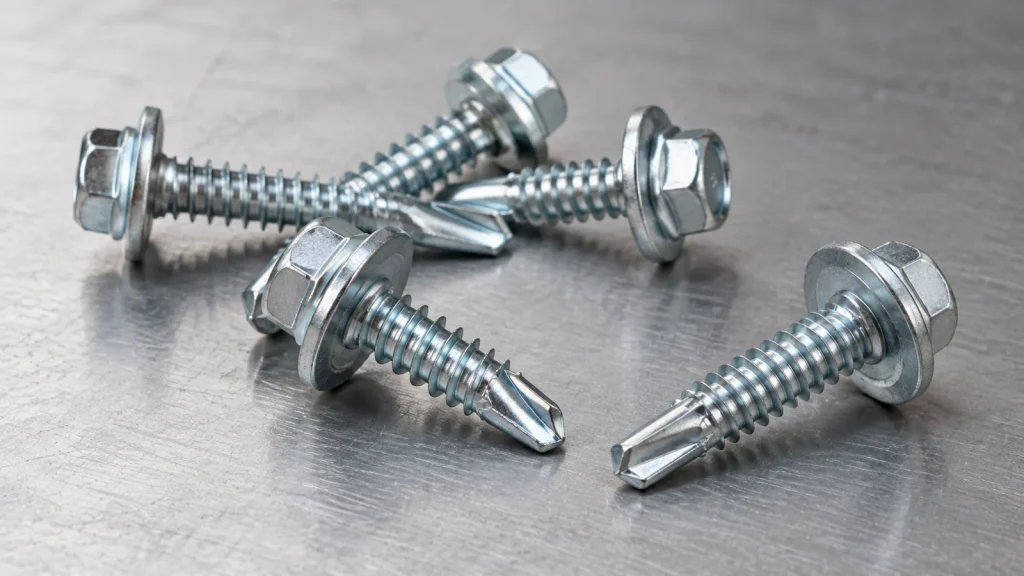
Hex Head Self-Drilling Screws with Cup Washers: Choosing Drill Point and Length
Choosing a hex head self-drilling screw with a cup washer requires more than selecting ST5.5 or ST6.3 and a nominal length. The drilling point must suit the steel it penetrates; the threaded section must engage the intended supporting material; and the head-and-washer assembly must seat correctly on the outer panel. A screw’s drilling capacity is […]
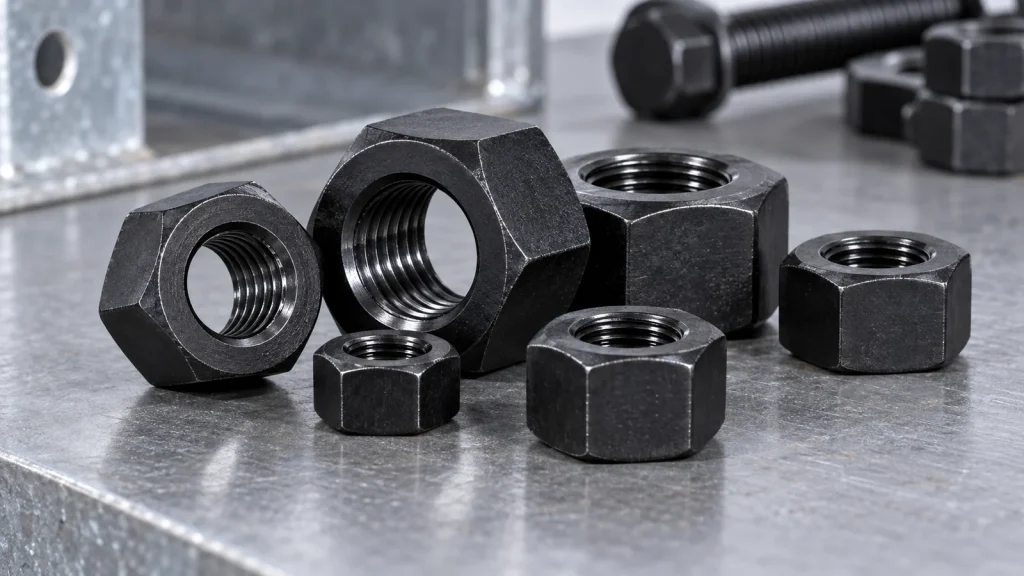
Grade 8 vs Grade 10 Hex Nuts: Strength Class and Bolt Compatibility
Class 8 and class 10 metric hex nuts are not interchangeable labels for bolt strength. They identify different nut property classes, while the suitability of either nut depends on the mating bolt, thread dimensions, nut style and the relevant specification. A black oxide finish adds another purchasing variable: it describes a surface treatment, not a […]
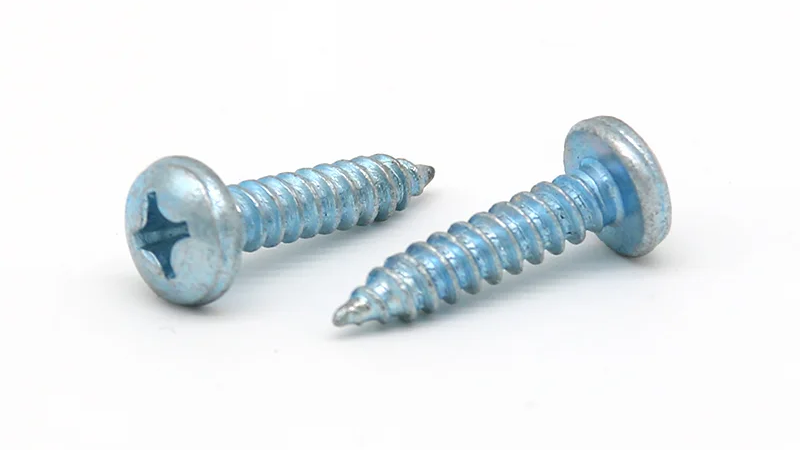
How to Choose Self-Tapping Screws for Plastic Parts
Choose self-tapping screws for plastic by matching the thread design to the resin, pilot hole and surrounding plastic, then checking head seating, thread engagement and tightening conditions on actual parts. Screw diameter alone cannot establish a suitable hole size or installation torque. This guide concerns metal screws fastening into plastic components. These screws create their […]

What Is a Fastener? Types, Functions and Industrial Uses
A fastener is a hardware component that mechanically joins or secures parts. Common examples include screws, bolts, nuts and rivets; washers are supporting components used in many fastening assemblies. Some connections can be dismantled by removing threaded fasteners, while others, such as riveted joints, normally require the fastener to be destroyed during removal. In industrial […]
Frequently Asked Questions
Can a wire insert be used in a blind hole?
Often, but the available depth and the hole’s bottom clearance must be checked before selection. The insert should provide the needed thread engagement without bottoming out, and the installation method must suit a blind-hole application.
When is a solid threaded bushing a better alternative?
A solid bushing may be worth comparing when the application calls for a different wall design, installation method or service approach than a wire insert provides. The choice depends on the parent material, available space, required thread engagement and whether the hole is being repaired or created in a new part.
Does an insert make a weak or damaged part fully strong again?
No. It restores the internal thread, but it does not repair cracks, excessive material loss or inadequate wall thickness around the hole. Inspect the surrounding part and confirm that it can carry the joint load before selecting the insert.
What should be included when requesting a helicoil quotation?
Provide the complete internal thread specification, parent material, hole type, required insert length and whether the work is a repair or a new design. Include the operating environment and any known requirements for locking, repeated removal or installation tooling.
Is a screw-locking version suitable for every fastening joint?
No. It may suit joints where vibration or movement could loosen the fastener, but it can change installation and removal behavior compared with a free-running version. Choose it only when the locking function is needed and confirm compatibility with the fastener and service procedure.
Leave Your Message
Please provide the internal thread standard and size, the parent material, and whether the insert is for a stripped-thread repair or a new design. Include the hole type and operating conditions if known.