

Holso Cutter Selection Guide | Hebei Wotu Fastener Manufacturing Co., Ltd.
Hole Saw Cutter Selection for Round Holes
A holso cutter inquiry is usually about a hole saw cutter: a cylindrical cutting tool used to make clean round openings in sheet metal, plate, pipe, wood, plastic or composite panels. The main decision is matching the cutter body, tooth material and arbor system to the material being cut and the finish you need.
For production work, the lowest-cost cutter is not always the best buy. Tool life, hole quality, chip clearance, replacement pilots and compatibility with your drill or magnetic base can matter more than the first purchase price.
Key checks before ordering a cutter for round holes
The practical distinction is between general-purpose hole saw cutters and cutters designed for harder or thicker materials. Bi-metal styles suit many mixed workshop jobs, carbide-tipped cutters can handle tougher materials and longer runs, and annular-style cutters are often preferred where accurate holes in metal are the main task.
This matters because a cutter that works well in thin sheet may chatter, overheat or wear quickly in heavy plate. The right choice depends on the workpiece material, hole diameter, cutting depth, machine type and whether you need repeated holes or occasional maintenance cuts.
Start with the material and thickness. Mild steel, stainless steel, aluminum, plastic and wood place different demands on tooth geometry and cutter material. If the job involves stainless steel or repeated cuts in metal, ask which cutter type is suitable rather than assuming a standard hole saw will last.
Check the connection system before ordering. The cutter, arbor, pilot drill and machine must fit together. A common mistake is specifying only the hole diameter and forgetting the shank type, pilot arrangement or maximum cutting depth. That can lead to a cutter that is technically the right size but unusable on the available equipment.
Consider the hole finish and working method. Handheld drilling, drill presses and magnetic drills behave differently. For accurate holes in metal, stable clamping, suitable speed and proper lubrication often make as much difference as the cutter itself. Do not use a cutter outside the limits recommended for the tool or machine.
For an inquiry to Hebei Wotu Fastener Manufacturing Co., Ltd., send the hole diameter, workpiece material and thickness, plus the machine or arbor type you plan to use. If you need matching pilots, arbors or replacement parts, include that in the request so compatibility can be confirmed before quotation.
| Criteria | Importance | Description | Example Options |
|---|---|---|---|
| Workpiece material | Usually the first decision factor | The material being cut affects tooth material, tooth form, heat resistance and expected tool life. Stainless steel, mild steel, aluminum, plastic and wood should not be treated as the same cutting job. | A cutter used occasionally in wood panels may not be the right choice for repeated holes in stainless steel sheet. |
| Cutter type | Important for balancing cost, life and accuracy | General-purpose hole saws, bi-metal cutters, carbide-tipped cutters and annular-style cutters suit different workloads. The best option depends on whether the job is occasional maintenance, mixed workshop use or repeated metal cutting. | A maintenance team may value a versatile bi-metal cutter, while a fabrication shop may ask about a more durable option for repeated metal holes. |
| Arbor and machine compatibility | Critical before purchase | The cutter must match the arbor, shank, pilot drill and drilling equipment. Hand drills, drill presses and magnetic drills can require different setups and may have different limits. | Two cutters with the same hole diameter may need different arbors, so the machine and connection type should be confirmed before ordering. |
| Cutting depth and material thickness | Essential for avoiding incomplete cuts | A cutter must have enough usable cutting depth for the workpiece. Thicker plate or tube walls may also need better chip evacuation and a more rigid setup. | A cutter suitable for thin sheet may not clear chips well or reach through a thicker fabricated part. |
| Accessories and replacement parts | Practical for ongoing use | Pilots, arbors and spare components can affect setup time and future maintenance. Buyers should confirm what is included and what must be ordered separately. | If the job needs several diameters on the same machine, matching arbors and pilot drills should be checked at the same time. |
Product Selection
Related Options
For a workshop cutting round holes in metal panels or fabricated parts, the priority is a cutter that stays stable, clears chips and fits the drilling setup already in use. Share the material and machine details so the suitable cutter style and accessories can be checked before purchase.







Blog Articles / Reviews
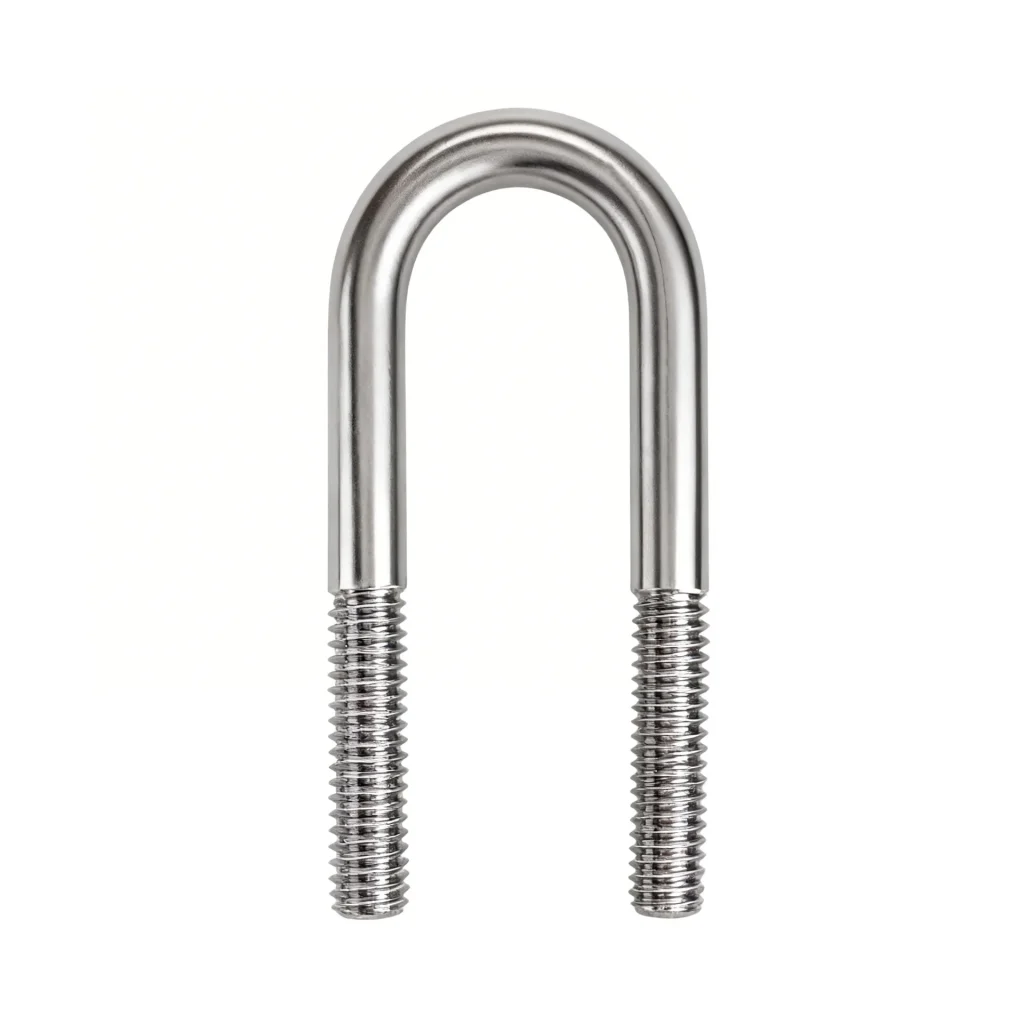
Which U-Bolt Measurements Must Buyers Provide Before a Quote?
For an M10–M24 U-bolt RFQ, buyers should send a dimensioned drawing that defines thread diameter, inside width, leg or overall length, bend geometry, thread length, application diameter, material or grade requirement, surface finish, matching nuts/washers, quantity, and packing needs. Nominal thread size alone is not enough because different measurement datums can produce U-bolts that look […]
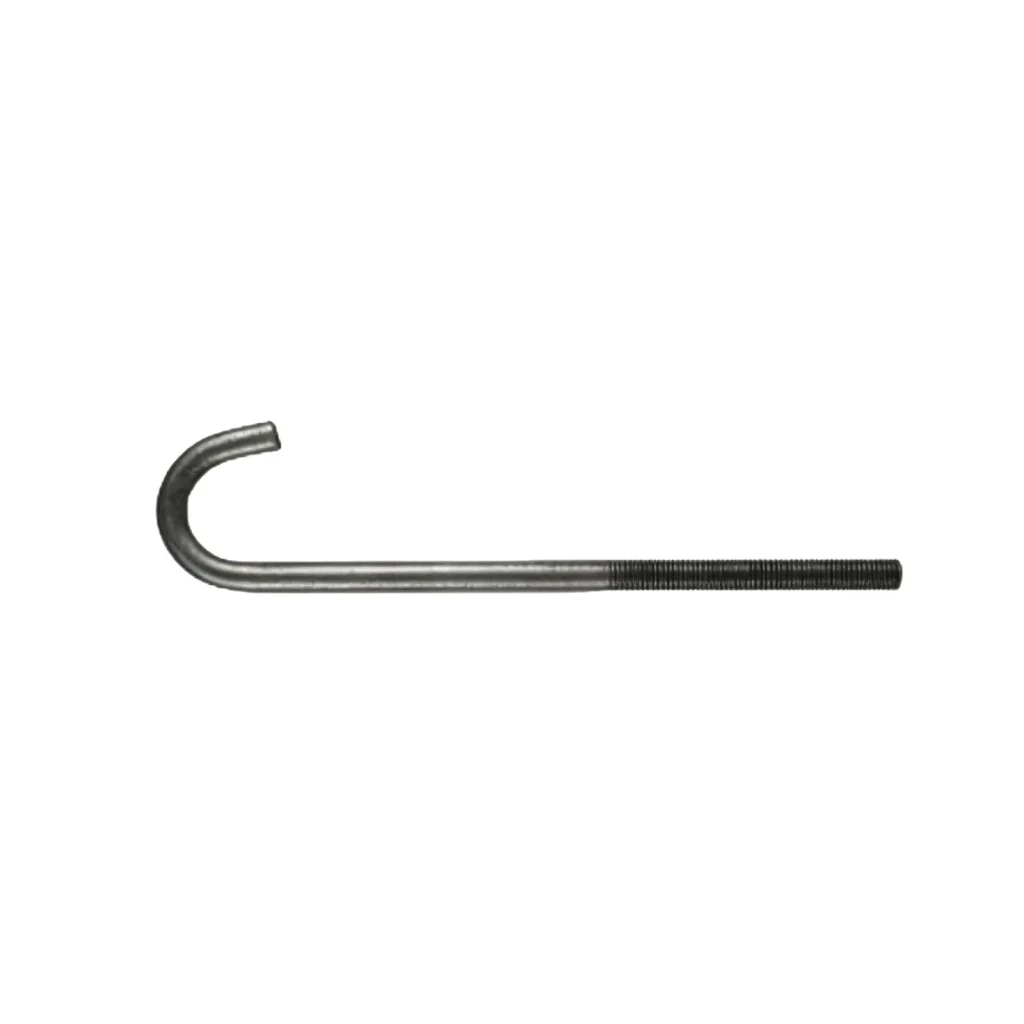
What Must Buyers Verify Before Ordering L-Shaped Anchor Bolts to an Older Standard?
When ordering L-shaped anchor bolts against an older standard, buyers should verify the standard’s current status, confirm the specification approved for the project, and reconcile the drawing, dimensions, material and foundation interface before releasing the purchase order. A legacy standard number on a product page or old drawing is not, by itself, sufficient evidence that […]
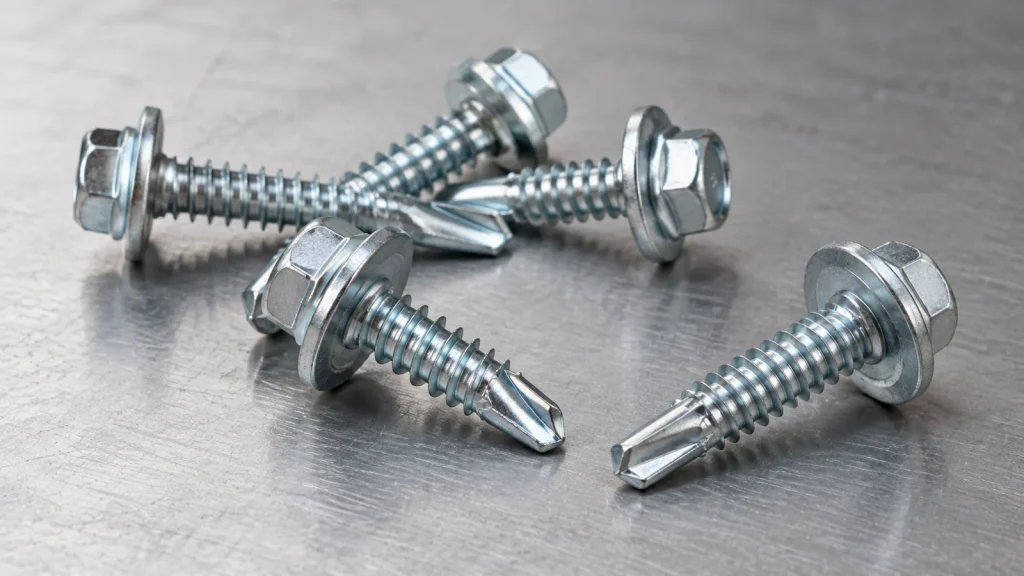
Hex Head Self-Drilling Screws with Cup Washers: Choosing Drill Point and Length
Choosing a hex head self-drilling screw with a cup washer requires more than selecting ST5.5 or ST6.3 and a nominal length. The drilling point must suit the steel it penetrates; the threaded section must engage the intended supporting material; and the head-and-washer assembly must seat correctly on the outer panel. A screw’s drilling capacity is […]
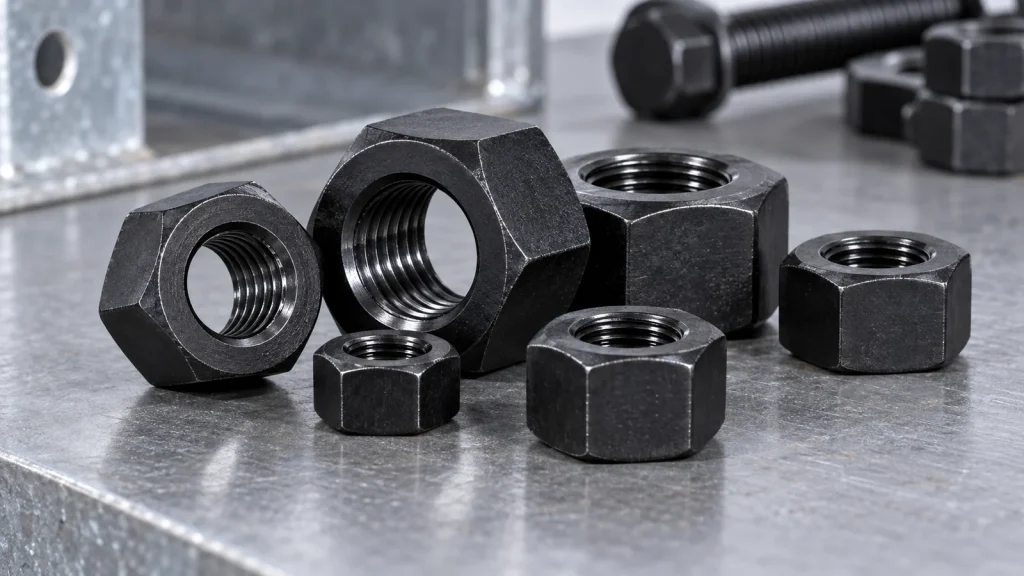
Grade 8 vs Grade 10 Hex Nuts: Strength Class and Bolt Compatibility
Class 8 and class 10 metric hex nuts are not interchangeable labels for bolt strength. They identify different nut property classes, while the suitability of either nut depends on the mating bolt, thread dimensions, nut style and the relevant specification. A black oxide finish adds another purchasing variable: it describes a surface treatment, not a […]
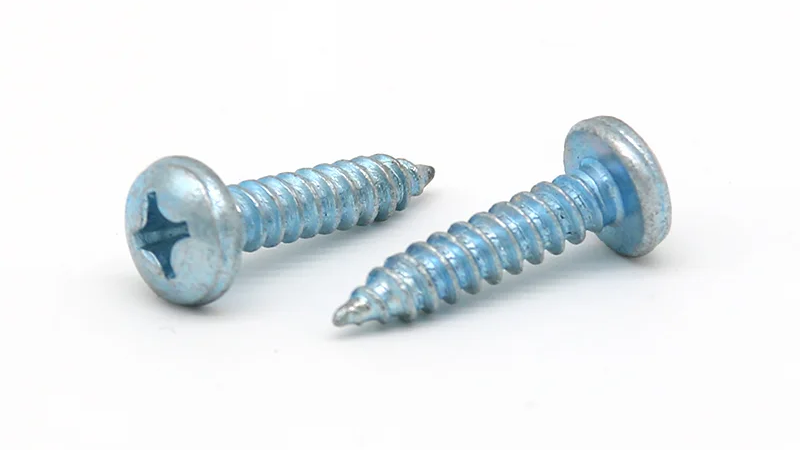
How to Choose Self-Tapping Screws for Plastic Parts
Choose self-tapping screws for plastic by matching the thread design to the resin, pilot hole and surrounding plastic, then checking head seating, thread engagement and tightening conditions on actual parts. Screw diameter alone cannot establish a suitable hole size or installation torque. This guide concerns metal screws fastening into plastic components. These screws create their […]

What Is a Fastener? Types, Functions and Industrial Uses
A fastener is a hardware component that mechanically joins or secures parts. Common examples include screws, bolts, nuts and rivets; washers are supporting components used in many fastening assemblies. Some connections can be dismantled by removing threaded fasteners, while others, such as riveted joints, normally require the fastener to be destroyed during removal. In industrial […]
Frequently Asked Questions
What material details should I give before asking for a cutter?
State the workpiece material, thickness and required hole diameter. Mild steel, stainless steel, aluminum, plastic and wood can need different tooth materials, cutting speeds and support methods, so diameter alone is not enough for a reliable recommendation.
Is a bi-metal hole saw enough for metal cutting?
A bi-metal cutter can be a practical choice for mixed maintenance work and many thin-to-medium materials. For harder metals, thicker plate or repeated production holes, ask whether a carbide-tipped or annular-style cutter would give better life, accuracy or chip removal.
What is the difference between a hole saw and an annular cutter?
A conventional hole saw removes material around the edge of the hole and is often used across wood, plastic and sheet materials as well as some metal work. An annular cutter is usually chosen for more accurate holes in metal with a suitable machine, especially where rigidity and cutting depth matter.
Can I order by hole diameter only?
Not safely. You should also confirm cutting depth, arbor or shank type, pilot drill arrangement and the machine you will use, because a cutter with the correct diameter may still be incompatible with the drill or magnetic base.
Why do cutters overheat or wear out quickly?
Common causes include using the wrong cutter type for the material, running at an unsuitable speed, poor chip clearance, lack of lubrication on metal, or unstable clamping. Tool choice matters, but the cutting setup and method also affect hole quality and service life.
Leave Your Message
Send the required hole diameter, workpiece material and thickness, and the drill, arbor or machine type you plan to use. Mention if you also need pilots, arbors or spare parts.